








Quick view
Shop this guide
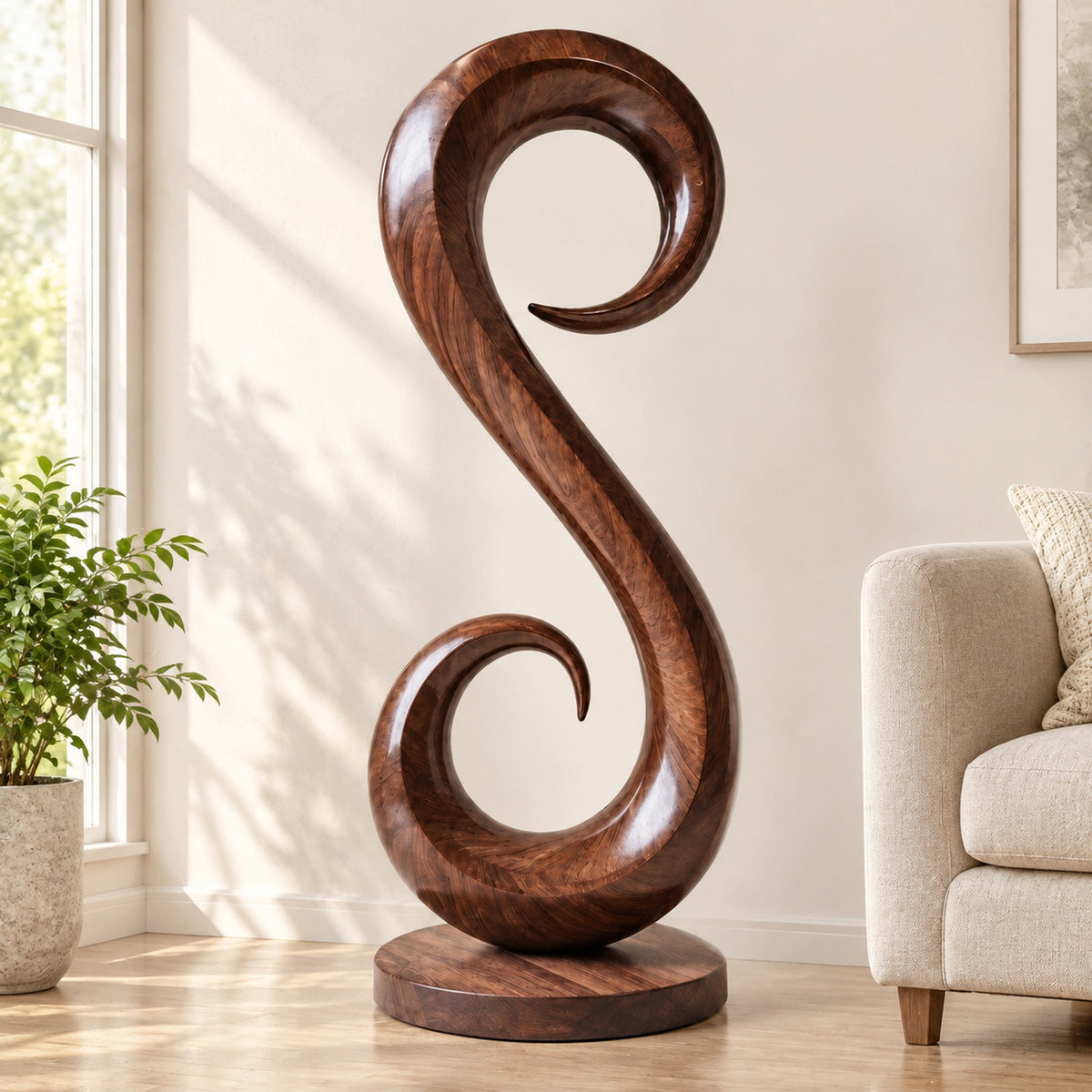
Handcrafted Wine Holder, made to order in solid wood.
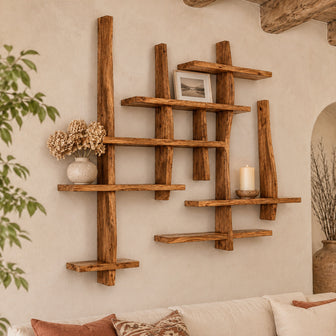
 Handcrafted Branch Wine Rack with Glass Holder - Organic Modern Wine Display
From $1,895.00
 Christmas edit
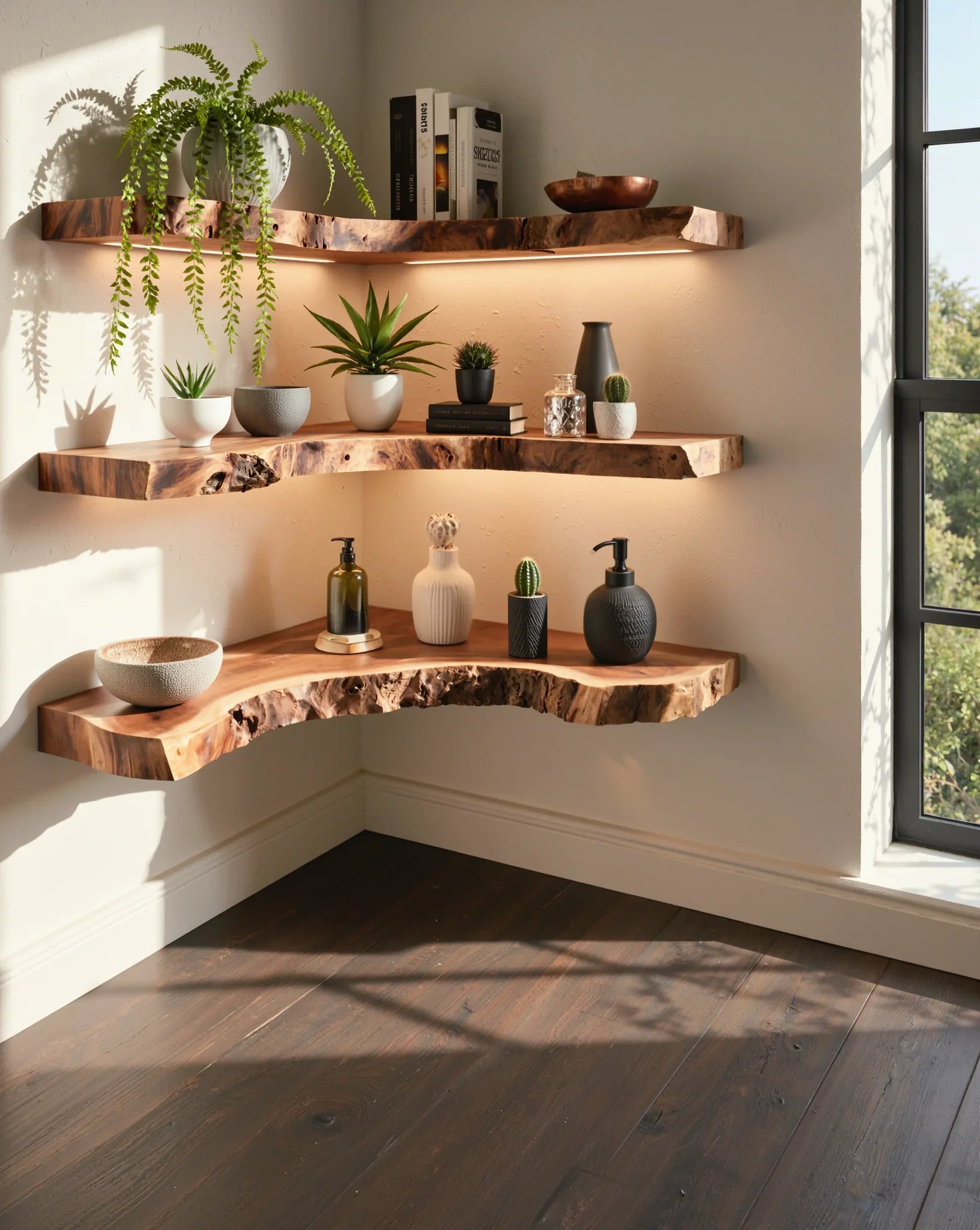
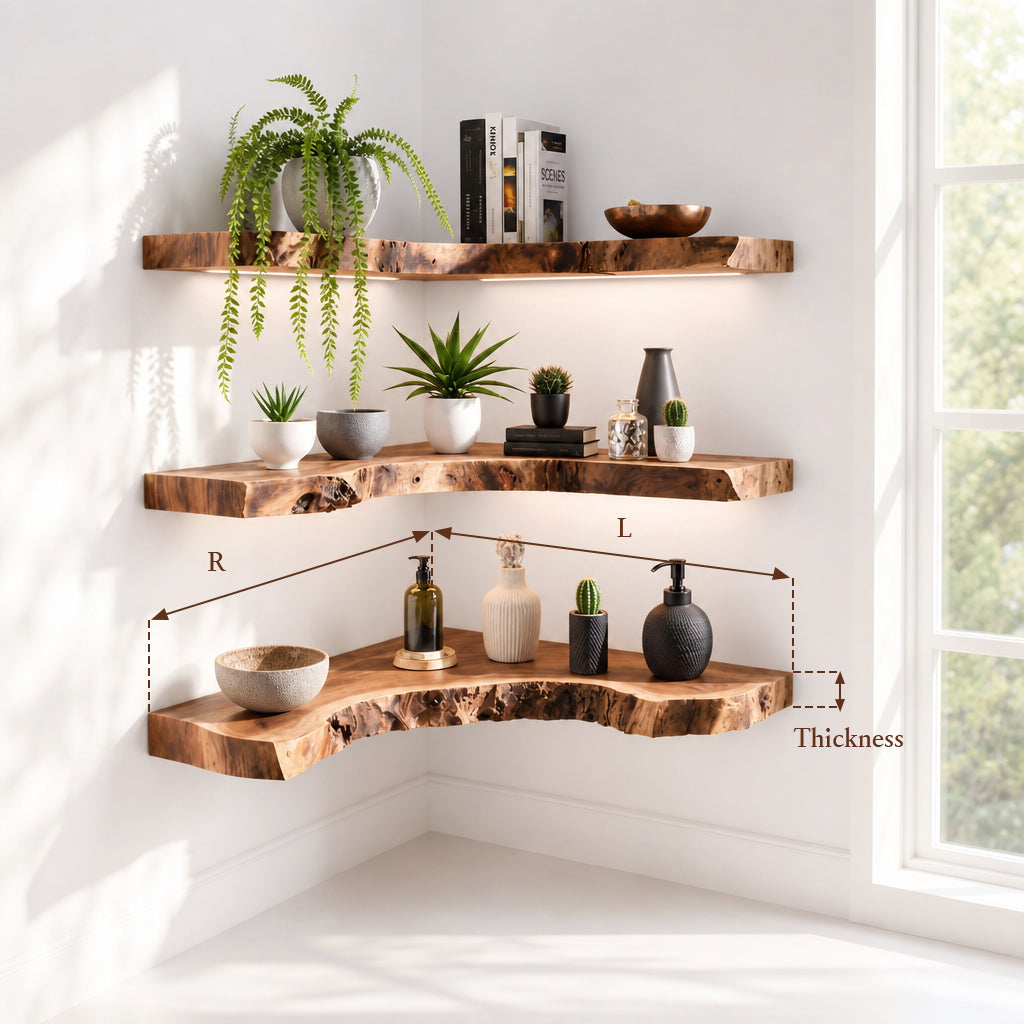
Live Edge Wood Bar Shelf, 3-Tier Floating Bar Shelves, Handmade Rustic Wall Bar Display Rack
From $2,080.0010% off at checkout
 Christmas edit
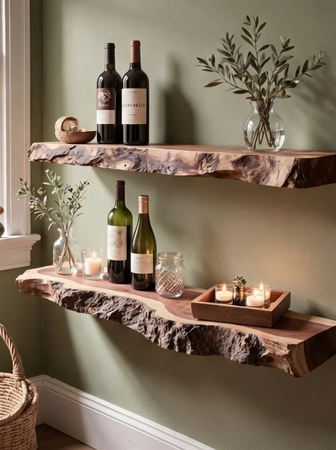
Handcrafted Live Edge Bar Shelf – Wooden Wall Bar, Rustic Floating Shelves for Home Bar Decor
From $2,045.0010% off at checkout
 Christmas edit
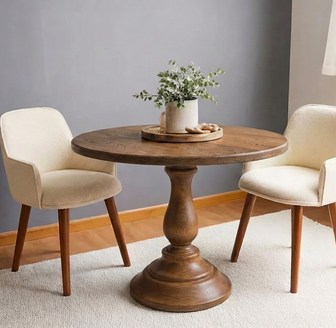
Rustic Solid Wood Wine Bottle Holder – Mid Century Wine Rack for Modern Home Décor
From $1,780.00
 Live Edge Wooden Wine Rack Shelf – Handmade Solid Wood Wall Mounted Display
From $740.00
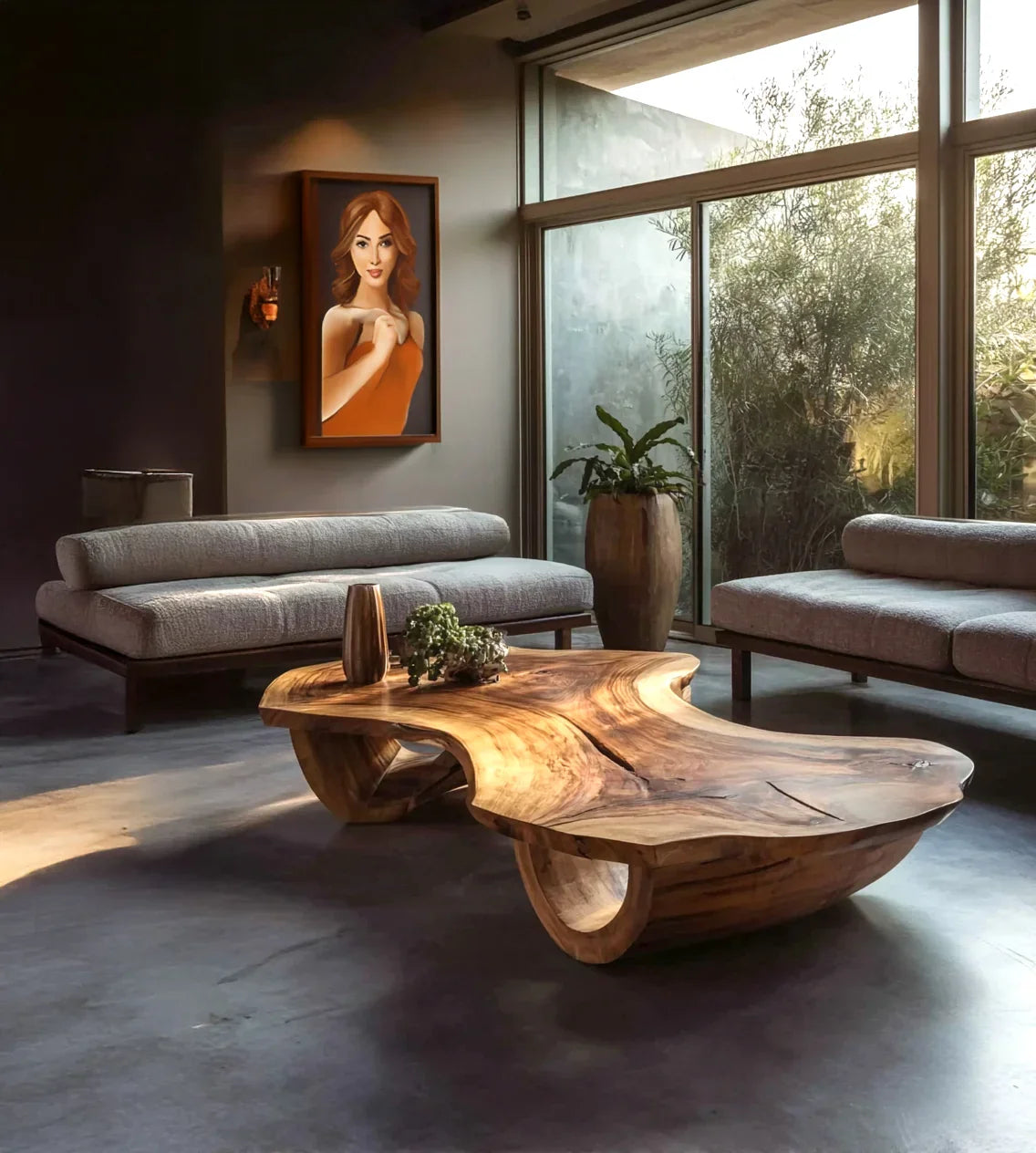
 Organic Live Edge Solid Wood Sculptural Wall Shelf - Modern Wine & Kitchen Display
From $2,795.0010% off at checkout
A wine rack that does not match your furniture looks like an afterthought - a random piece shoved into a room that already has a design. Matching a wine rack to your furniture means choosing the right wood tone, style, and scale so the rack feels like it belongs, not like it was added because you needed somewhere to put bottles.
This guide covers 4 rules to match a wine rack to your existing furniture by style (rustic, mid-century, modern, traditional), wood tone (light, medium, dark), and room layout (kitchen, dining room, living room). For bottle dimensions and rack depth, see our how deep should a wooden wine rack be guide (article 1). For wood species comparison, see what wood works best for a wine rack (article 2). For room-by-room sizing, see wooden wine rack dimensions guide (article 5).
As a handmade furniture brand, we build wine holders that match our furniture collections - rustic tree trunk pieces for farmhouse kitchens, mid-century walnut holders for dining rooms, live edge sculptures for living rooms. See our tree trunk wine rack for an example of rustic style that pairs with natural wood furniture.

Rule 1: Match wood tone to your existing furniture
The easiest way to make a wine rack feel intentional is to match the wood tone to other pieces in the room.
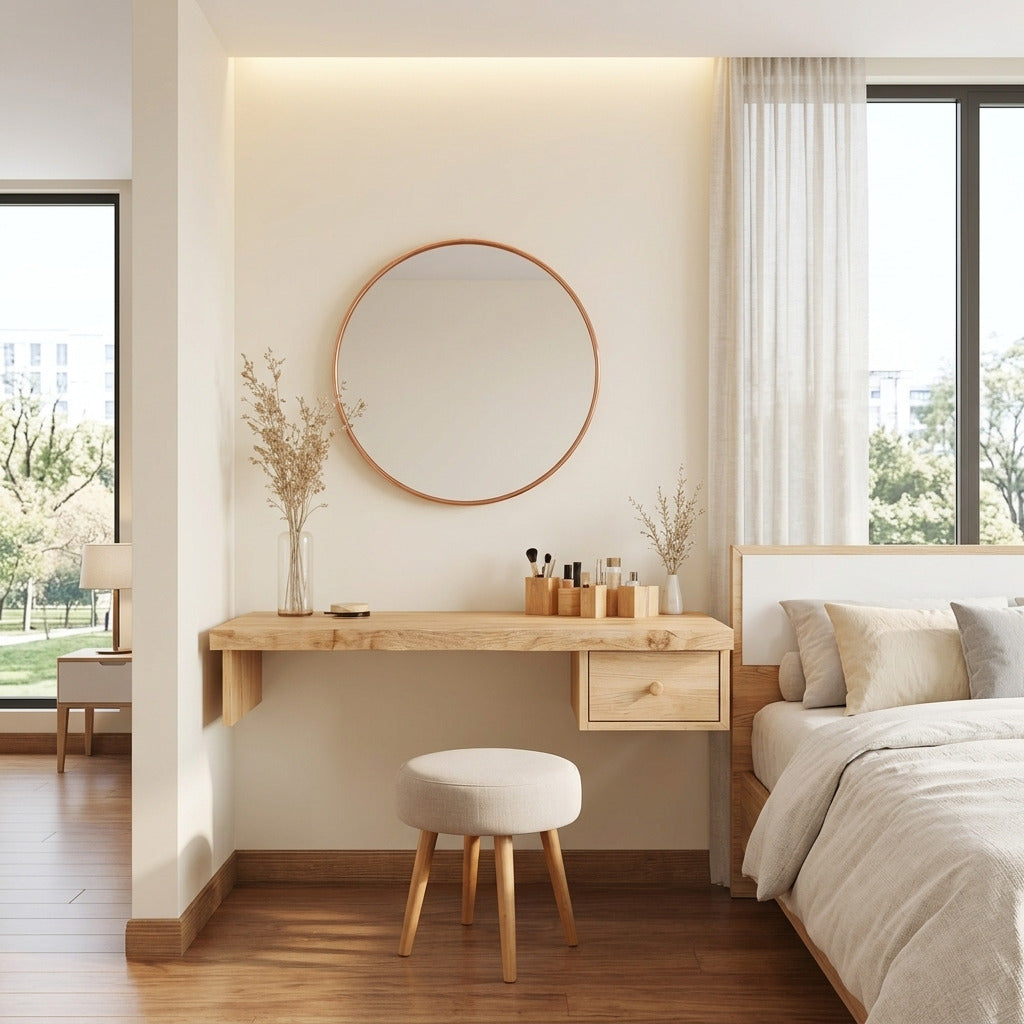
Light wood (oak, maple, ash): pairs with Scandinavian, Japandi, coastal, and modern farmhouse styles. Use light wood wine racks in rooms with light wood floors, dining tables, or cabinets.
Medium wood (walnut, cherry, teak): pairs with mid-century, transitional, and traditional styles. Use medium wood wine racks in rooms with walnut furniture, cherry cabinets, or teak accents.
Dark wood (ebony, mahogany, stained oak): pairs with traditional, Victorian, and formal styles. Use dark wood wine racks in rooms with dark furniture, formal dining sets, or built-in cabinetry.
Mixed wood tones: if your room has multiple wood tones, choose a wine rack that matches the dominant tone (the one used for the largest piece of furniture). Alternatively, use a neutral finish (natural oil, clear lacquer) that lets the wood's natural color show without clashing.
Our rustic solid wood wine bottle holder is a mid-century piece that pairs with medium-toned dining tables and sideboards. Our live edge wooden wine rack shelf works well with lighter oak and teak furniture.

Rule 2: Match style to your room's design language
A wine rack should match the style of the room, not just the wood tone.
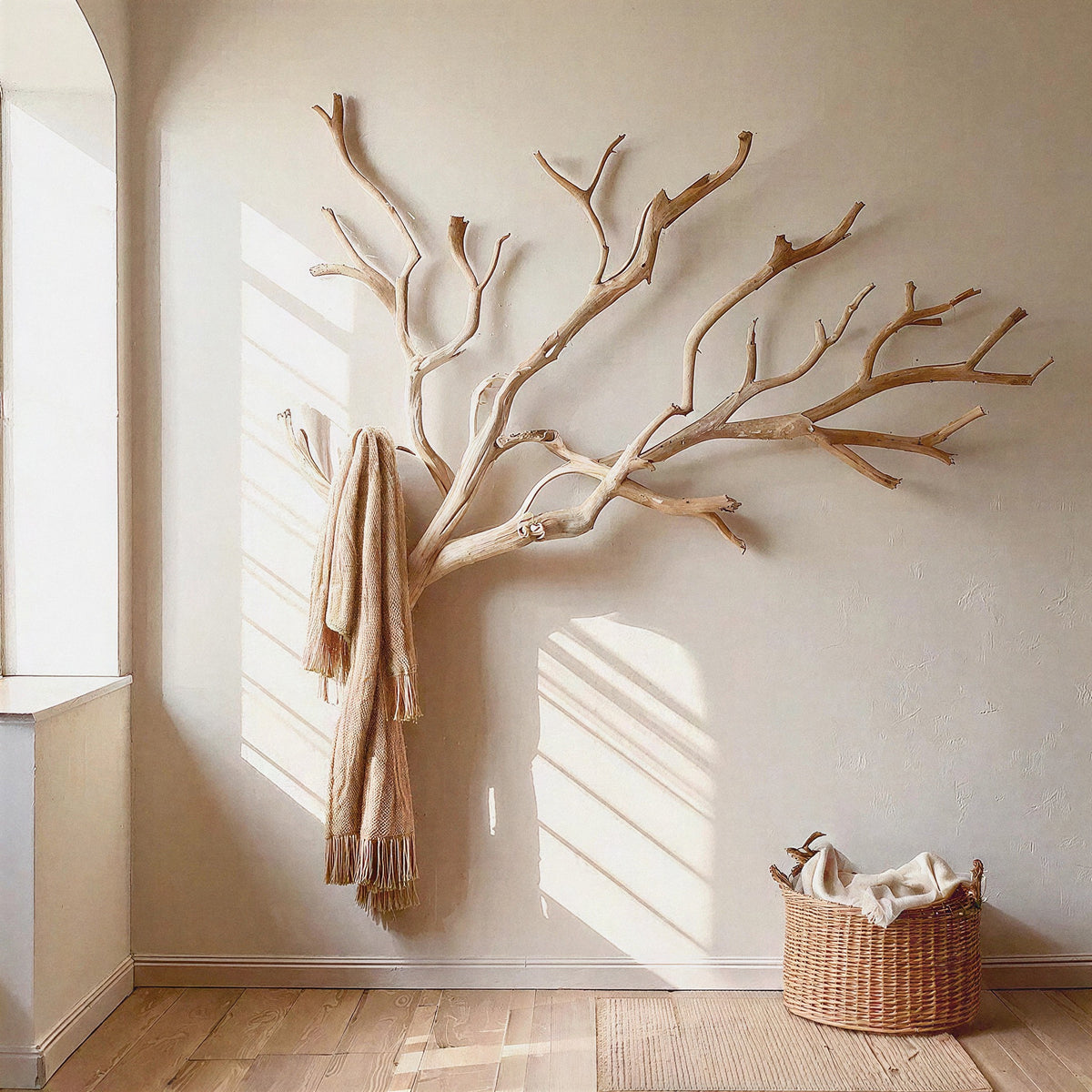
Rustic / farmhouse: look for wine racks with natural edges, tree trunk shapes, organic forms, and visible grain. These pieces feel handcrafted and warm. Use them in kitchens with exposed beams, reclaimed wood accents, or vintage decor.
Example: tree trunk wine rack with glass holder - a sculptural piece that holds bottles and glasses in a farmhouse-style design.

Mid-century modern: look for wine racks with clean lines, tapered legs, geometric shapes, and minimal ornamentation. These pieces feel sleek and functional. Use them in dining rooms with Eames chairs, credenzas with tapered legs, or atomic-age decor.
Example: rustic solid wood wine bottle holder - a mid-century piece with clean lines.
Modern / contemporary: look for wine racks with sharp edges, metal accents, floating designs, and high-contrast finishes. These pieces feel minimal and architectural. Use them in living rooms with glass coffee tables, leather sofas, or abstract art.
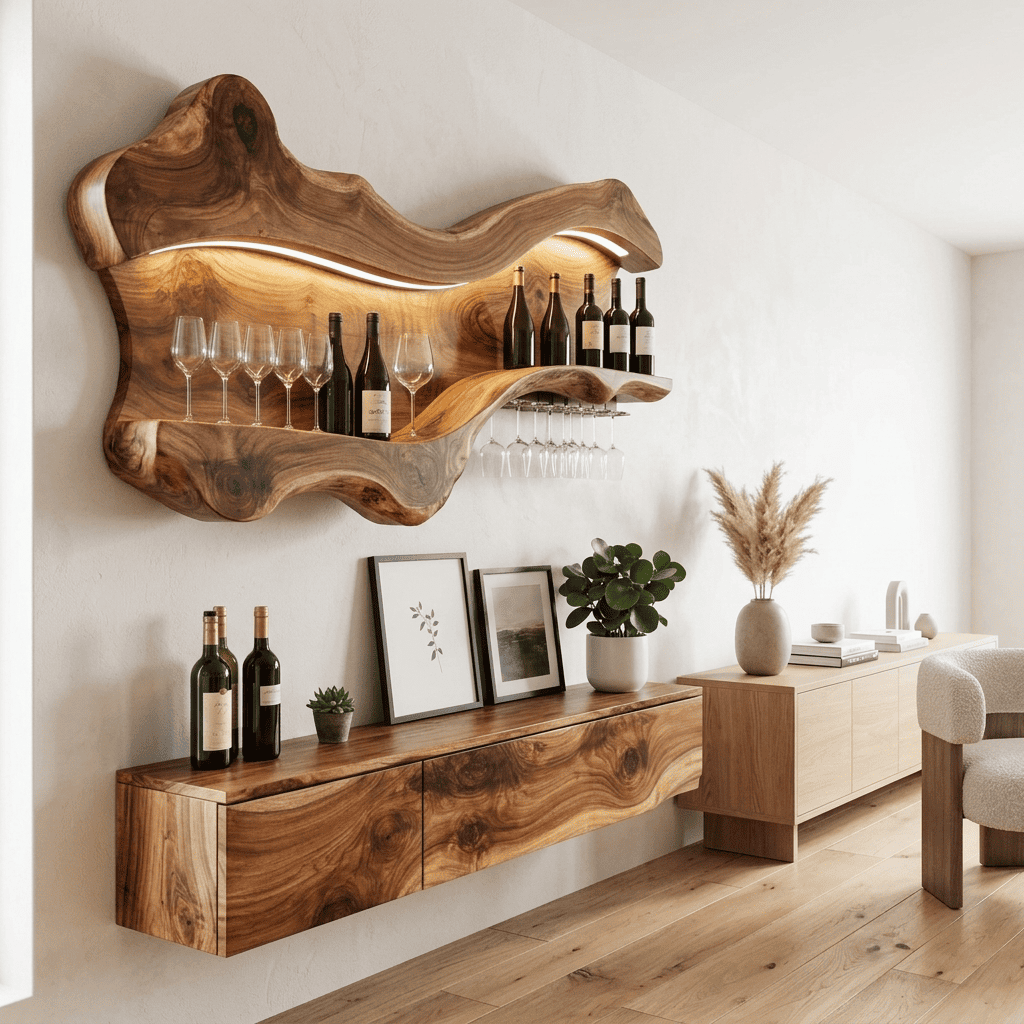
Example: live edge wooden wine rack shelf - a wall-mounted piece with optional LED lighting for a modern bar setup.

Traditional: look for wine racks with ornate details, carved elements, rich finishes, and classic proportions. These pieces feel formal and established. Use them in dining rooms with china cabinets, formal dining sets, or built-in bookshelves.
Example: floor-standing wine racks with carved legs and dark finishes (not currently in our wine holder collection, but the style works with traditional furniture - our sideboard collection has hand-carved pieces in a similar spirit if you want to build out the room around one).


Rule 3: Match scale to the room and surrounding furniture
A wine rack that is too small for the room looks lost. A rack that is too large dominates the space and crowds other furniture.
Kitchen counters: use compact countertop racks (4-6 bottles) that do not take up too much prep space. The rack should be proportional to the counter depth (usually 24-25 inches) and not extend beyond the counter edge.
Dining room sideboards: use medium-sized racks (6-12 bottles) that sit on the sideboard or hang on the wall above it. The rack should be proportional to the sideboard width (usually 48-72 inches) and not extend beyond the sideboard edges.
Living room consoles: use sculptural pieces (6-12 bottles) that serve as both storage and decor. The rack should be proportional to the console width (usually 48-60 inches) and not extend beyond the console edges.
Home bars or wine walls: use large floor-standing or wall-mounted pieces (12-50+ bottles) that fill the space without overwhelming it. The rack should be proportional to the wall or bar area and not block walkways.
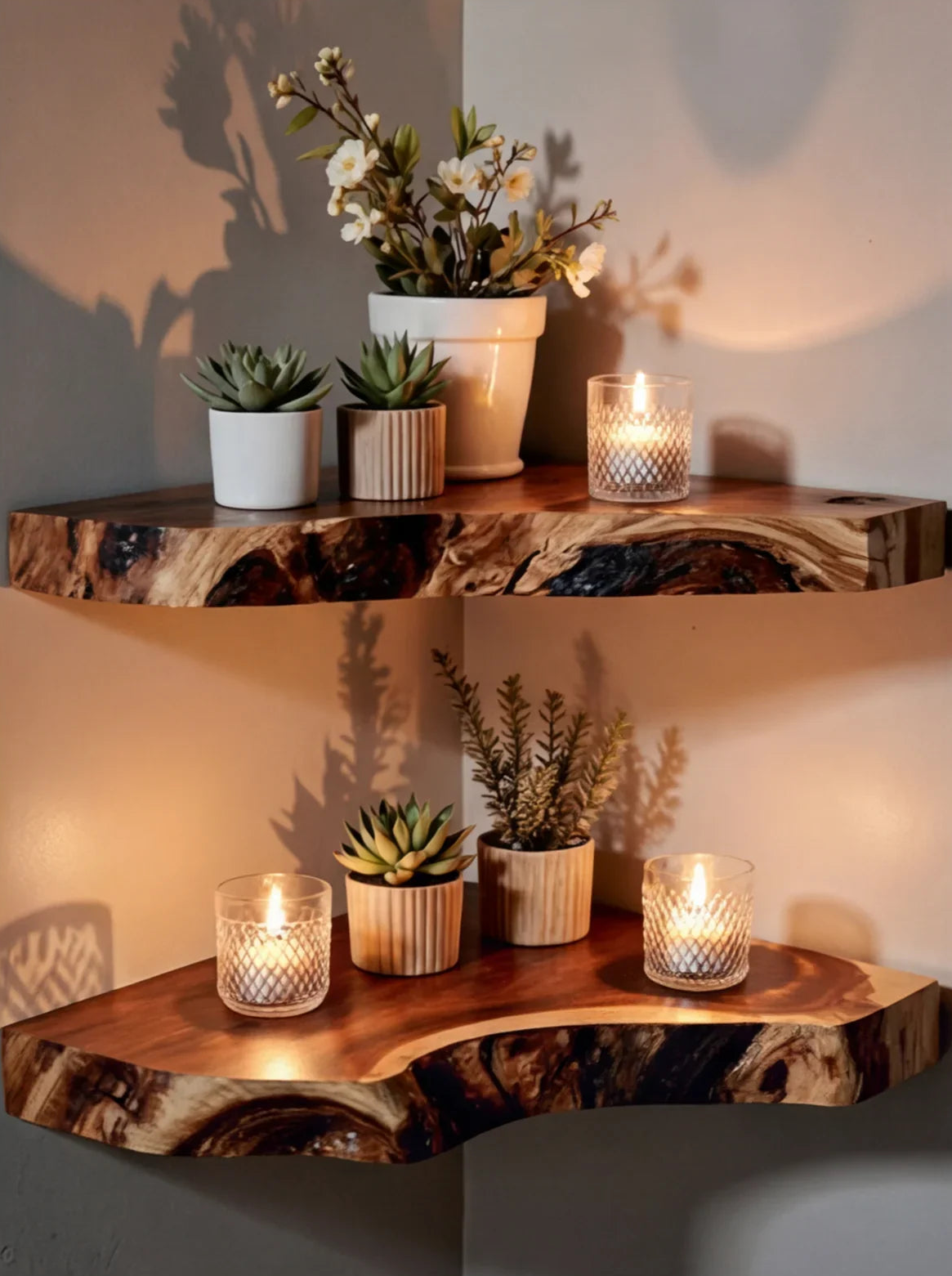
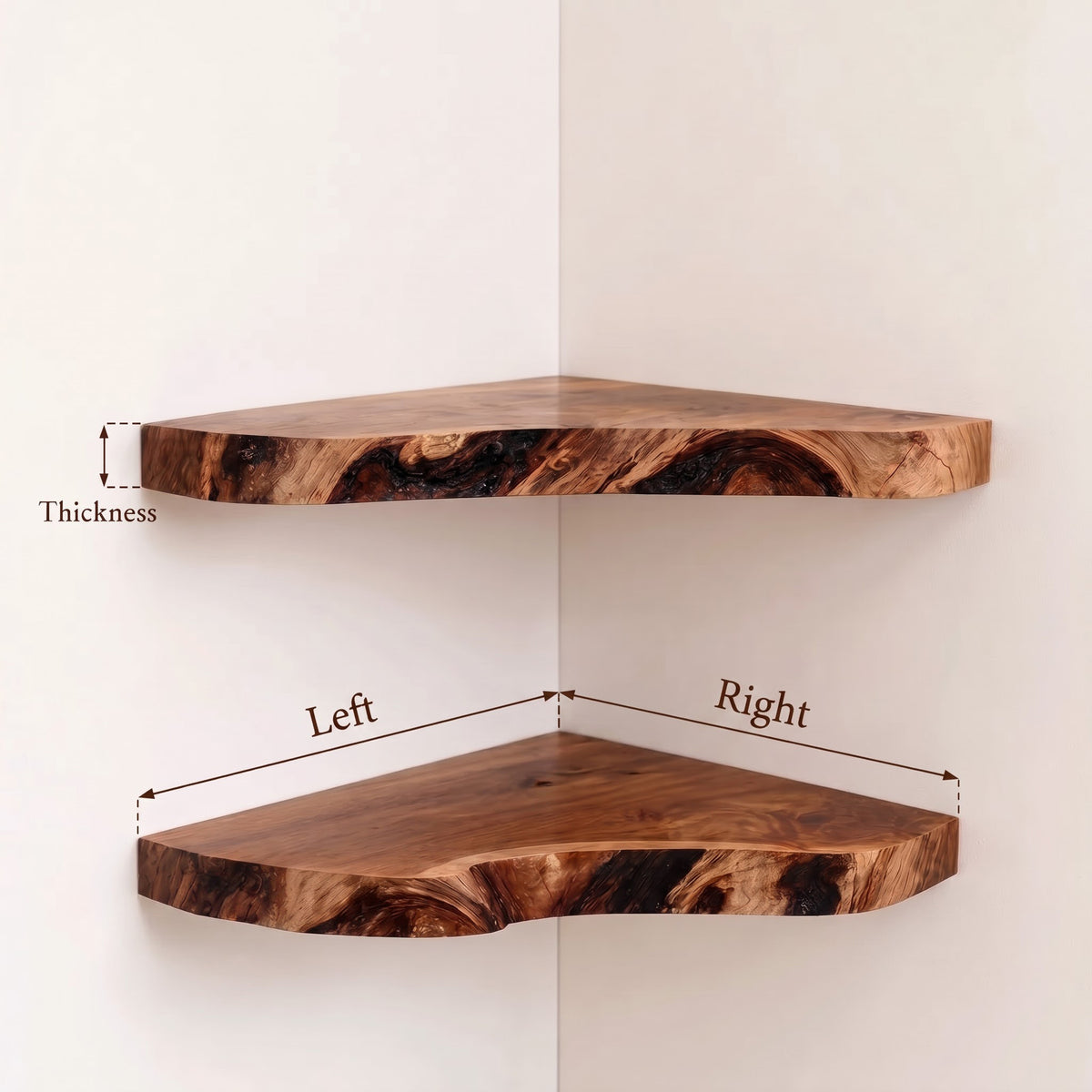
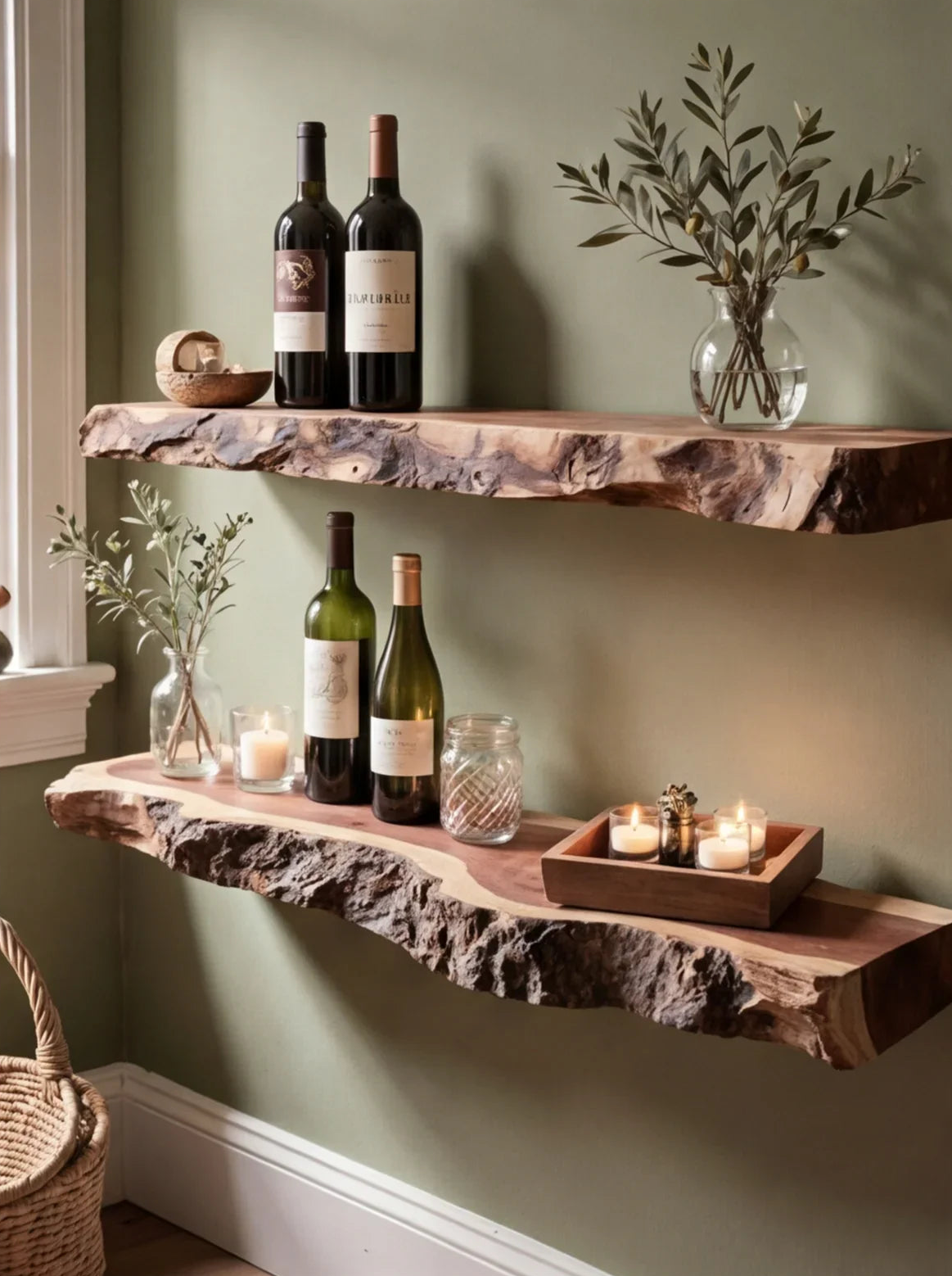
Our bar floating shelves are wall-mounted pieces that pair with wine holders for a complete bar setup. The shelves are 48-60 inches wide, proportional to most bar areas.

Rule 4: Match function to how you use the space
A wine rack should match not just the look of the room, but how you use the space.
Kitchen (cooking wine): use a countertop rack that is easy to access while cooking. The rack should hold 4-6 bottles of everyday wine (not expensive bottles you are aging). Place it near the prep zone but not next to the stove (heat damages wine).
Dining room (entertaining): use a sideboard or wall-mounted rack that holds 6-12 bottles of wine for guests. The rack should be visible from the dining table but not in the way of serving. Pair it with a piece from our sideboard collection for a cohesive look.
Living room (display): use a sculptural piece that holds 6-12 bottles and serves as decor. The rack should be visible from the seating area and complement the room's design. Place it on a console or credenza where it can be admired.
Home bar (collection): use a floor-standing or large wall-mounted piece that holds 12-50+ bottles. The rack should be in a dedicated wine storage area where temperature and humidity are controlled. Place it where you can access bottles easily but not in a high-traffic walkway.

Don't miss
These pieces qualify for 10% off orders over $2,000. Applied automatically at checkout.
10% off
Live Edge Wood Bar Shelf, 3-Tier Floating Bar Shelves, Handmade Rustic Wall Bar Display Rack
From $2,080.00
10% off at checkout
10% off
Handcrafted Live Edge Bar Shelf – Wooden Wall Bar, Rustic Floating Shelves for Home Bar Decor
From $2,045.00
10% off at checkout
10% off
Organic Live Edge Solid Wood Sculptural Wall Shelf - Modern Wine & Kitchen Display
From $2,795.00
10% off at checkout
 10% off
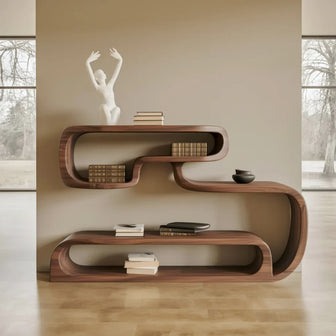
Hollow Portal Branching Canopy Freestanding Wine Display Shelf in Handcrafted Solid Wood
From $2,754.00
10% off at checkout
Common mistakes
Matching wood tone but not style. A rustic tree trunk rack in a mid-century dining room looks out of place even if the wood tone matches. Match both tone and style.
Matching style but not scale. A small countertop rack on a large dining room sideboard looks lost. A large floor-standing rack in a small kitchen crowds the space. Match the rack scale to the room and surrounding furniture.
Ignoring function. A decorative sculptural rack in the kitchen is hard to access while cooking. A compact countertop rack in a home bar does not hold enough bottles. Match the rack function to how you use the space.
Choosing a rack that does not match the room's formality. A formal traditional rack in a casual farmhouse kitchen looks stiff. A casual rustic rack in a formal dining room looks out of place. Match the rack formality to the room's design language.
Buying checklist
- Identify your room's style - rustic, mid-century, modern, traditional.
- Match wood tone - light, medium, or dark to your existing furniture.
- Match scale - countertop (4-6 bottles), sideboard (6-12), floor-standing (12-50+).
- Match function - cooking wine (kitchen), entertaining (dining room), display (living room), collection (home bar).
- Verify the rack complements the room - it should feel intentional, not like an afterthought.
Starting points: tree trunk wine rack (rustic), rustic countertop wine holder (mid-century), live edge wall-mounted wine rack (modern), bar floating shelves, wooden wine rack buying guide.
FAQ
How do I match a wine rack to my furniture?
Match wood tone (light, medium, dark), style (rustic, mid-century, modern, traditional), and scale (countertop, sideboard, floor-standing) to your existing furniture and room layout.
What wood tone should my wine rack be?
Match the dominant wood tone in the room. Light wood (oak, maple) for Scandinavian/Japandi, medium wood (walnut, teak) for mid-century, dark wood (ebony, mahogany) for traditional.
Can I mix wood tones in a room?
Yes, but choose a wine rack that matches the dominant tone (the largest piece of furniture). Alternatively, use a neutral finish that lets the wood's natural color show.
What style wine rack works in a farmhouse kitchen?
Rustic pieces with natural edges, tree trunk shapes, and organic forms. See our tree trunk wine rack for an example.
What size wine rack should I use on a dining room sideboard?
6-12 bottles, proportional to the sideboard width (usually 48-72 inches). The rack should not extend beyond the sideboard edges.