






Quick view
Shop this guide
Handcrafted Sofas, made to order in solid wood.
 Christmas edit
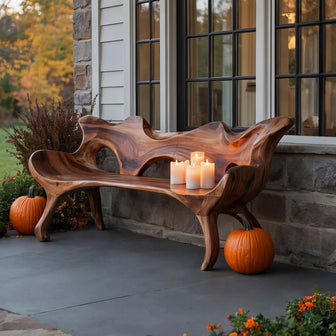
Elegant Modern Wooden Sofa with Sculptural Frame – Statement Living Room Piece
From $6,469.0010% off at checkout
 Low Slab Platform Sofa With Live Edge Base and Block Feet
From $2,864.0010% off at checkout
 Rising Crest Wood Sofa With Wavy Seat Rail and Rolled Arms
From $4,821.0010% off at checkout
 Wave Rail Wood Sofa With Scroll Arm and Twisting Ribbon Arm
From $4,821.0010% off at checkout
 Live Edge Wood Loveseat With Stacked Plank Back and Block Arms
From $2,514.0010% off at checkout
 Slab Side Wood Sofa With Rounded Panels and Bold Swirling Grain
From $4,821.0010% off at checkout
A wooden sofa reads differently depending on the design language behind it. The same exposed-frame idea looks completely different in a mid-century room versus a Japandi one.
This guide compares wooden sofa styles by interior design tradition, not by structural type. For frame types and construction, start with the wooden sofa buying guide.
Quick Answer
- Mid-century wooden sofas use tapered legs, angular wood arms, and warm walnut or teak tones.
- Scandinavian wooden sofas favor light woods like ash or oak, clean lines, and minimal ornamentation.
- Japandi wooden sofas sit low to the ground, use muted natural tones, and blend Japanese restraint with Scandinavian warmth.
- All three styles favor visible wood frames over fully upholstered designs. That's why a wooden sofa fits naturally into each.
- Mixing elements across styles works as long as the wood tone stays consistent throughout the room.
Mid-Century Wooden Sofa Style
A mid-century wooden sofa is defined by tapered, angled legs and a frame with clean geometric lines rather than curves. The wood is usually warm-toned: walnut, teak, or rosewood. A smooth, refined finish reads as tailored rather than rustic.
Arms tend to be exposed and slightly angular. They often extend past the seat cushions as a visible detail, not hidden in upholstery.
Best for: rooms already built around mid-century pieces - a credenza, an Eames-style chair, or brass accent lighting.
Good fit: Handcrafted Solid Wood Sofa works well in a room leaning toward this warmer, tailored aesthetic.




Scandinavian Wooden Sofa Style
A Scandinavian wooden sofa favors light wood tones - ash, birch, or pale oak - paired with simple, functional lines. The design philosophy here is restraint: no unnecessary ornamentation, no heavy visual statements.
Legs are usually straight or slightly tapered, and the overall silhouette stays low-key rather than sculptural. The goal is a piece that feels calm and unobtrusive in the room.
Best for: bright rooms with white or pale walls, where the light wood tone reflects rather than absorbs available light.
Good fit: Handcrafted Wooden Frame Sofa for Modern Living Room or Cozy Lounge fits this simpler, more functional silhouette.

Japandi Wooden Sofa Style
A Japandi wooden sofa blends Japanese wabi-sabi restraint with Scandinavian warmth. The result sits low to the ground and uses muted earthy tones rather than bright or dark contrast. Natural grain often shows without heavy staining.
This style overlaps closely with the Japanese-style platform sofa category, prioritizing a grounded, minimal profile over height or visual drama.
Best for: rooms that already favor natural materials, floor cushions, or a general sense of quiet, uncluttered space.
Good fit: Handmade Solid Wood Sofa - Rustic Japanese Minimalist Floor Couch is built specifically around this low-profile, natural-grain approach.

Don't miss
These pieces qualify for 10% off orders over $2,000. Applied automatically at checkout.
10% off
Elegant Modern Wooden Sofa with Sculptural Frame – Statement Living Room Piece
From $6,469.00
10% off at checkout
10% off
Low Slab Platform Sofa With Live Edge Base and Block Feet
From $2,864.00
10% off at checkout
10% off
Rising Crest Wood Sofa With Wavy Seat Rail and Rolled Arms
From $4,821.00
10% off at checkout
10% off
Wave Rail Wood Sofa With Scroll Arm and Twisting Ribbon Arm
From $4,821.00
10% off at checkout
Wooden Sofa Style Comparison
| Style | Wood Tone | Leg Shape | Overall Feel |
|---|---|---|---|
| Mid-Century | Warm (walnut, teak) | Tapered, angular | Tailored, retro |
| Scandinavian | Light (ash, oak) | Straight or slim taper | Calm, functional |
| Japandi | Muted, natural grain | Low, minimal | Grounded, quiet |
How to Choose a Wooden Sofa Style for Your Room
Match the existing wood tone in the room first. If your flooring or furniture leans warm and dark, a mid-century wooden sofa fits better than a pale Scandinavian piece.
Consider your ceiling height and light levels. A low Japandi-style wooden sofa works well in a room with lower ceilings. A tall, boxy sofa would feel cramped there.
Think about how formal the room needs to feel. Mid-century leans slightly more tailored and formal; Scandinavian and Japandi both lean toward casual, everyday comfort.
One frame, three ways to wear it
From tailored mid-century warmth to grounded Japandi minimalism, every Ashdeco wooden sofa is solid hardwood built to match your room's language.
Shop Wooden Sofas →Mixing Wooden Sofa Styles
These three styles aren't mutually exclusive, and many rooms blend elements from more than one. A Scandinavian-leaning room can incorporate a mid-century wooden sofa without clashing. Just keep the wood tones in the same general family.
The one consistent rule across any mix: keep wood tones cohesive. A room mixing warm walnut, pale ash, and dark stain all at once reads as accidental. This happens regardless of how good each piece looks alone.

Common Wooden Sofa Style Mistakes
Choosing a style based on photos alone, without checking wood tone against your existing floor or furniture. A stunning sofa in isolation can clash badly once it's actually in the room.
Assuming "Japandi" and "Scandinavian" are interchangeable. They share some values, but Japandi leans lower-profile and more muted than typical Scandinavian design.
Overcommitting to one style's rules too strictly. A room doesn't need to be purely mid-century or purely Japandi. Most well-designed spaces blend elements while keeping materials consistent.
Ignoring how the style affects comfort expectations. A low Japandi-style sofa sits and feels different from a standard-height mid-century piece. Factor this into daily use, not just looks.
Ashdeco Wooden Sofas by Style
- Handcrafted Solid Wood Sofa - Modern Organic Curved Wooden Couch - warm, tailored mid-century feel
- Handcrafted Wooden Frame Sofa for Modern Living Room or Cozy Lounge - simple Scandinavian-leaning lines
- Handmade Solid Wood Sofa - Rustic Japanese Minimalist Floor Couch - low, grounded Japandi profile
- Organic Sculptural Wood Sofa - Handcrafted Natural Edge Design - natural-grain statement piece
Browse the full range in sofas.
FAQ
What is the difference between a mid-century and Scandinavian wooden sofa?
Mid-century sofas use warmer wood tones and tapered, angular legs for a more tailored look. Scandinavian sofas favor lighter woods and simpler, more functional lines.
What makes a wooden sofa Japandi style?
A low seat height, muted natural wood tones, and minimal ornamentation. Japandi blends Japanese restraint with Scandinavian warmth into one grounded profile.
Can I mix mid-century and Japandi wooden sofa styles in one room?
Yes, as long as the wood tones stay cohesive. Mixing warm and pale woods without a consistent thread usually reads as unplanned rather than intentional.
Which wooden sofa style works best for a small room?
A low-profile Japandi or Scandinavian wooden sofa generally works best. Both styles favor simpler lines and less visual bulk.
Is a Japandi wooden sofa comfortable for everyday use?
Yes, though the low seat height feels different from a standard sofa. Check the seat height against your own sitting preferences before committing to this style.
How do I choose between these three wooden sofa styles?
Match the wood tone to your existing floor or furniture first. Then consider ceiling height and how formal the room should feel.
Pick the style that matches your room's existing wood tone and ceiling height first. The frame does the rest of the visual work once that foundation is right.