

Quick view
Shop this guide
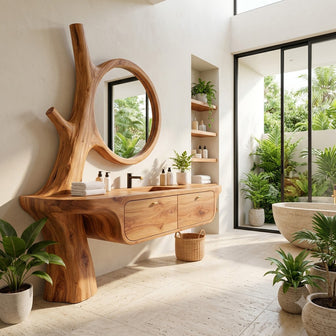
Handcrafted Floating Desk, made to order in solid wood.
 Curved Floating Wall Mounted Secretary Desk Solid Timber Workstation with Built in Hutch and Drawers
From $1,876.00
 Floating Executive Desk with Curved Tree Bookshelf and Storage Drawers in Solid Wood
From $1,365.00
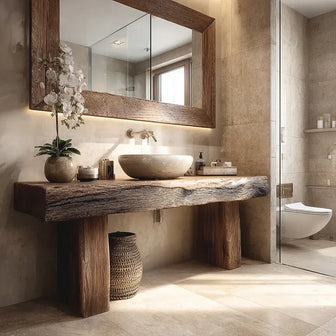
 Wall Mounted Live Edge Study Table with Floating Drawers Handcrafted in Solid Wood
From $2,165.0010% off at checkout
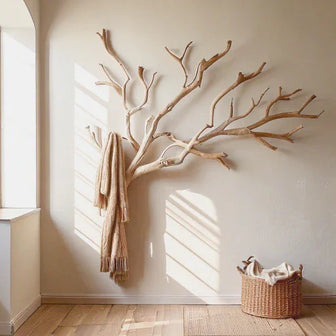
 Floating Live Edge Desk with Tree Branch Wall Shelf & Dual Drawers
From $1,800.00
 Modern Handcrafted Solid Wood Floating L-Shaped Corner Desk with Integrated Storage Cubbies & Drawer
From $1,621.00
 Modern Handcrafted Solid Wood Floating L-Shaped Corner Desk with Integrated Pull-Out Drawer & Open Storage Cubby
From $1,643.00
Choosing a makeup vanity desk isn't just about aesthetics - it's about matching your space, your routine, and your stuff to a piece that actually works every morning. We analyzed dozens of vanity desks, dressing tables, and vanity dressers across the market, then compared them against real bedroom dimensions to give you exact guidance.
Whether you're searching for a compact vanity dresser for a small apartment or a full makeup table and vanities setup for a walk-in closet, this guide breaks down every type, the space it needs, who it's for, and what to avoid.

Quick Answer: What's the Difference Between These Terms?
You'll see all four used interchangeably, but they mean slightly different things:
- Makeup vanity desk - A desk-style surface with mirror (sometimes integrated, sometimes separate). Usually has drawers for storage. Think functional workspace that happens to be for beauty.
- Makeup table and vanities - The broader category. Includes vanity desks, dressing tables with stools, and complete vanity sets. This is the umbrella term retailers use.
- Desk makeup vanity - A makeup station that doubles as a regular desk. The key feature: when you clear the cosmetics, it functions as a workspace. Popular in small apartments and dual-purpose rooms.
- Vanity dresser - A dresser with an attached or matching mirror, repurposed for makeup. More storage than a vanity desk, but less dedicated surface area for the actual makeup process.
Knowing the difference matters because each type solves a different problem. The wrong choice means either no storage, no workspace, or a piece that dominates your room.
The 8 Types of Makeup Vanity Desks (With Exact Dimensions)
1. Corner L-Shape Vanity Table
A corner L-shaped makeup vanity desk fits into a 90-degree room corner, giving you the largest surface area of any vanity type in the smallest footprint.
Typical dimensions: 30" x 60" x 18" deep x 30" high (L-shape configuration)
Best for: Medium to large bedrooms, walk-in closets, rooms with unused corners
Pros: Maximum surface area, natural lighting from two directions, separates prep zone from storage zone
Cons: Needs a true corner - doesn't work well against a single wall. The L-shape means one side gets less natural light.
Room size needed: Minimum 10' x 10' bedroom. The vanity itself needs about 5' x 5' of floor space including room to sit and open drawers.
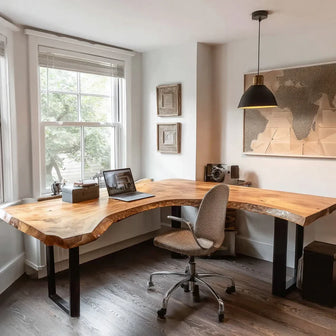
The Minimal Organic Vanity Table is a handcrafted solid wood corner L-shape option that gives you 60 inches of total surface. At $4,123, it's a premium investment - but solid wood vanities last 20+ years, making the yearly cost comparable to mid-range particle board options.

2. Floating Wall-Mounted Vanity Desk
A floating vanity desk mounts directly to the wall with hidden brackets, eliminating floor footprint entirely.
Typical dimensions: 36-48" wide x 18-20" deep x 30" high (mounted)
Best for: Small bedrooms, apartments, bathrooms with wall space
Pros: Zero floor footprint, easy to clean underneath, looks modern and minimal, can double as a small workspace
Cons: Limited storage (usually no drawers - you need separate organizers), requires stud mounting or heavy-duty anchors, weight capacity is limited
Room size needed: Works in rooms as small as 8' x 8'. The floating design makes even tiny rooms feel larger because the floor remains visible.
From our floating desk guide: the same surface works as a laptop desk during the day and a makeup station at night. Swap the laptop for a mirror, desk lamp for ring light. At 42-48 inches wide and 18-20 inches deep, it's enough for a mirror, makeup organizer, and small skincare collection.

3. Traditional Dressing Table With Stool
The classic vanity dresser setup - a table with an attached mirror and matching stool. This is what most people picture when they think "vanity."
Typical dimensions: 36-48" wide x 16-18" deep x 30" high (table) + stool at 18" seat height
Best for: Medium to large bedrooms where the vanity is a focal piece
Pros: Complete set (table + stool + mirror), classic aesthetic, good surface area, often has 2-3 built-in drawers
Cons: Stool takes additional floor space (about 2' x 2'), mirror is usually fixed in position, quality varies wildly between retailers
Room size needed: Minimum 10' x 10'. You need clearance behind the stool for sitting (about 2 feet) and drawer opening.

4. Desk Makeup Vanity (Dual-Purpose)
A desk makeup vanity is designed to function as both a workspace and a beauty station. The key differentiator: it looks like a desk when cosmetics are cleared.
Typical dimensions: 42-54" wide x 20-24" deep x 29-30" high
Best for: Home offices that double as dressing areas, studio apartments, guest rooms with multiple uses
Pros: Two functions in one piece, usually has more storage than dedicated vanities, looks professional (not overtly "beauty") when cleared
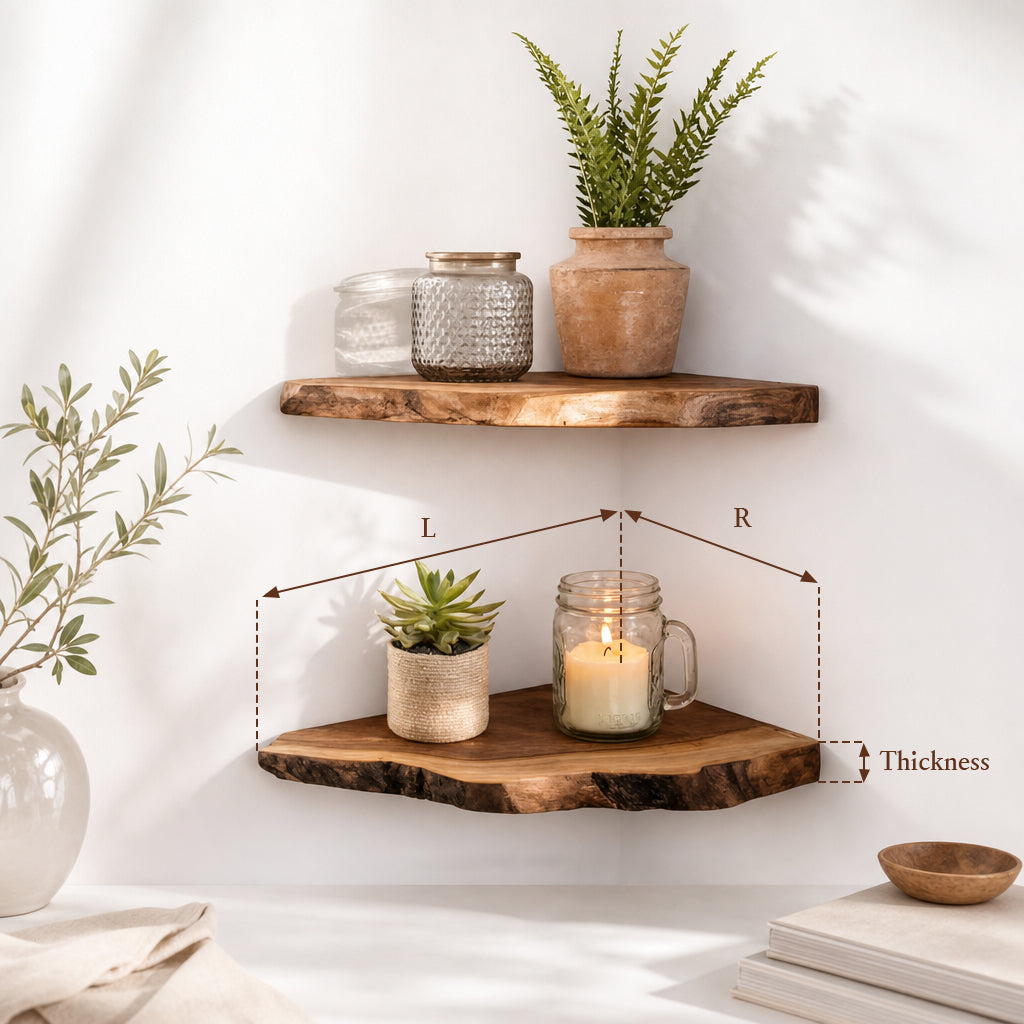
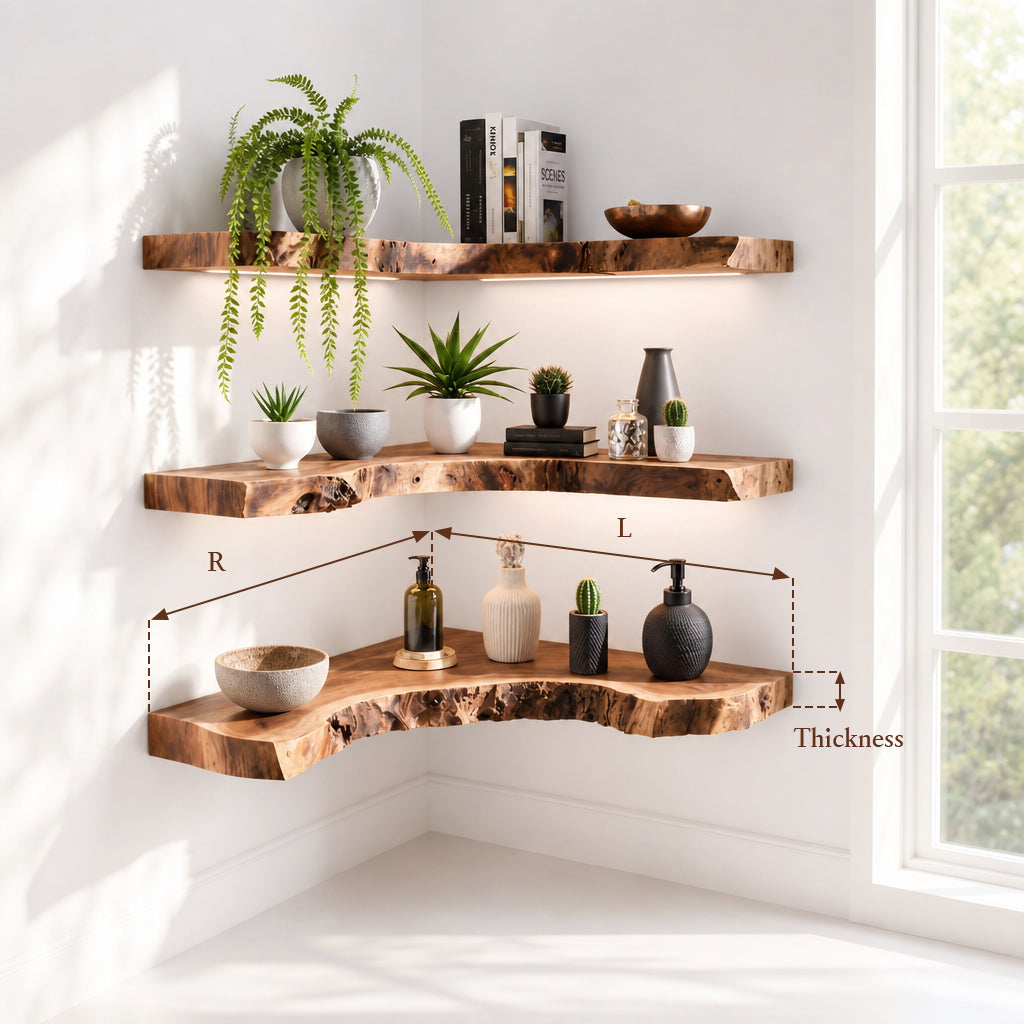
Cons: Surface gets crowded if you use both functions daily. You'll constantly be setting up and clearing cosmetics. A dedicated display shelf nearby helps keep daily items within reach but off the desk surface.
Room size needed: Minimum 9' x 9'. Works well in a bedroom corner or along a wall in a home office.

5. Compact / Small Space Vanity
Designed specifically for rooms where every inch counts - think studio apartments, dorm rooms, or shared bedrooms.
Typical dimensions: 24-36" wide x 12-16" deep x 28-30" high
Best for: Small bedrooms, apartments, college dorms, shared spaces
Pros: Fits anywhere, affordable, lightweight (easy to move)
Cons: Limited surface area - you'll need to rotate items rather than keep everything out. Usually minimal storage. Not suitable for extensive makeup collections.
Room size needed: Works in spaces as small as 7' x 7'. The compact footprint means you can tuck it beside a bed or in a closet alcove.

6. Hollywood Vanity With Lighted Mirror
Named after the classic Hollywood dressing room style - a large mirror surrounded by exposed bulbs or integrated LED strips for even, shadow-free lighting.
Typical dimensions: 36-60" wide x 18-24" deep x 30" high + mirror frame adding 4-8" per side
Best for: Anyone who does detailed makeup work, content creators, people with dedicated vanity rooms or large bedrooms
Pros: Best lighting for makeup application (eliminates shadow errors), dramatic aesthetic, often includes dimmer controls for different moods
Cons: Bulbs can burn out and need replacement, the lighted mirror frame makes the piece visually heavy, requires proximity to an electrical outlet
Room size needed: Minimum 10' x 12'. The visual weight of a Hollywood vanity demands breathing room - cramping it into a small space makes the room feel smaller.

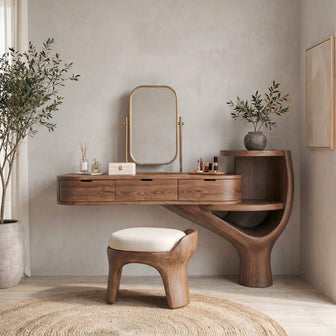
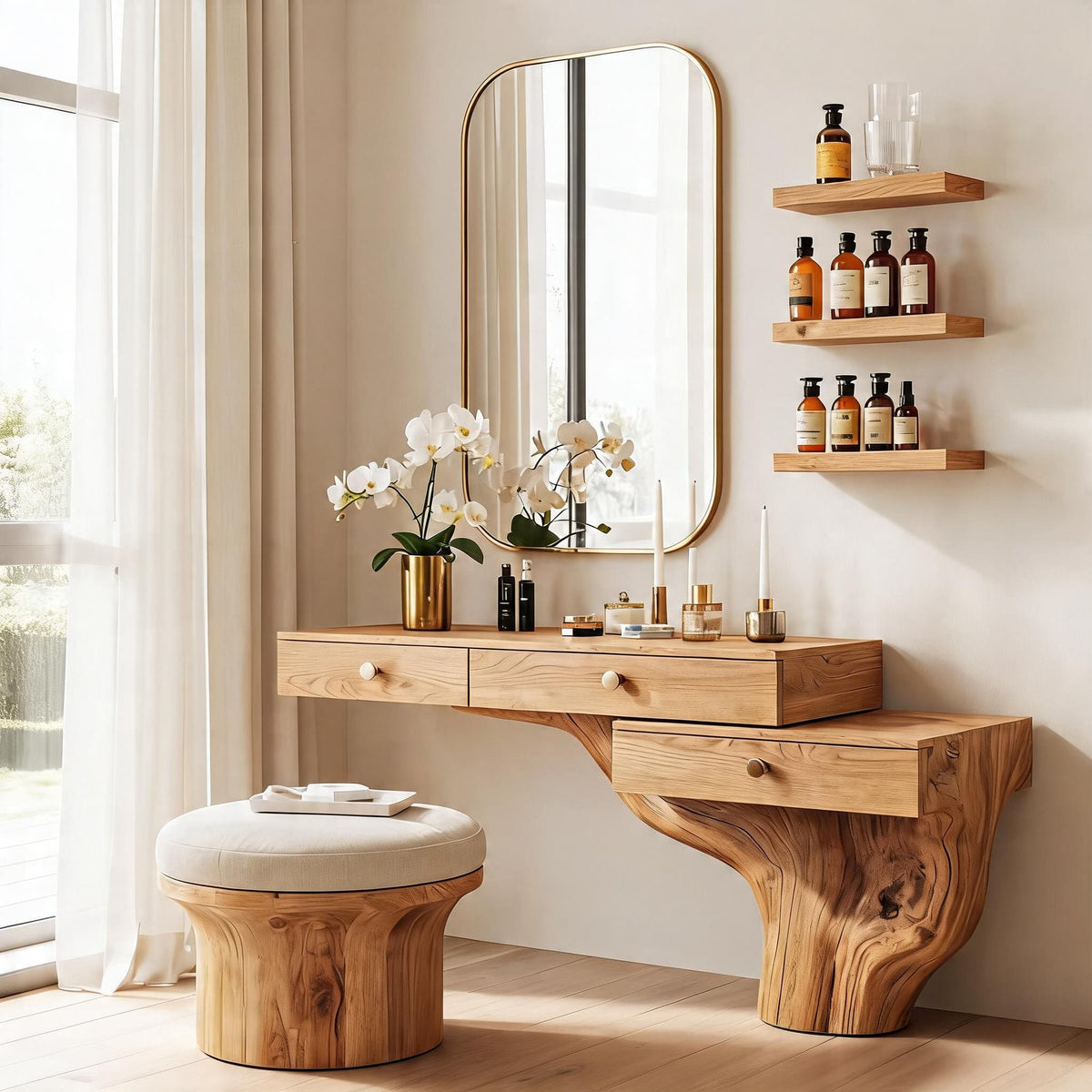
Sculptural S-Curve Solid Wood Makeup Vanity Desk & Dressing Table with 3 Drawers - $2,780
7. Farmhouse / Rustic Wood Vanity
A makeup vanity desk crafted from solid wood with natural grain, live edges, or distressed finishes. Less about storage features, more about the piece as a statement of craft.
Typical dimensions: 36-60" wide x 16-20" deep x 28-32" high (varies by artisan)
Best for: People who value handcrafted furniture, organic aesthetics, and pieces that age beautifully
Pros: Each piece is unique, solid wood lasts decades (not years), develops patina over time, elevates the entire room's aesthetic
Cons: Higher price point, heavier (not easy to move), may require professional delivery, usually sold without matching stool or mirror
Room size needed: Minimum 10' x 10' for a statement piece. The natural wood grain and organic shapes need visual space to be appreciated.
8. Vanity Dresser (Dresser + Mirror Combo)
A full dresser with a matching mirror attached or placed on top. This is the vanity dresser category - more storage than any other type, but less dedicated makeup workspace.
Typical dimensions: 48-60" wide x 18-20" deep x 30-36" high + mirror adding 18-24" in height
Best for: Large bedrooms where storage is the priority, people with extensive makeup/skincare collections
Pros: Maximum storage (6-8 drawers), doubles as regular dresser, mirror included, substantial surface area
Cons: Takes the most floor space of any type, often overwhelming in small rooms, the top surface gets used for storage rather than daily makeup setup
Room size needed: Minimum 12' x 12'. This is furniture that demands room to breathe. Don't put a 60-inch dresser in an 8-foot wall - it will consume the room.


How to Choose: Decision Framework
Step 1: Measure Your Space
Before looking at any makeup table and vanities, measure:
- Wall length where the vanity will go (minimum 36" for a functional surface)
- Depth available (minimum 16" - less and you can't comfortably rest your arms)
- Clearance in front (minimum 24" for sitting, 30" if someone needs to walk behind)
- Electrical outlet proximity (for lighted mirrors, hair tools)
Step 2: Count Your Daily Items
Lay out everything you use every morning on your current setup (or a table). Measure the footprint. This tells you your minimum surface area need:
- Under 24" of items → Compact vanity or floating desk works
- 24-48" of items → Standard vanity desk or dressing table
- 48"+ of items → Corner L-shape vanity or vanity dresser with additional storage
Step 3: Match Type to Room
| Room Size | Best Vanity Type | Why |
|---|---|---|
| Under 8' x 8' | Floating wall-mounted | Zero floor footprint, makes room feel larger |
| 8' x 8' to 10' x 10' | Compact or dual-purpose desk | Fits without dominating the space |
| 10' x 10' to 12' x 12' | Traditional dressing table or corner L-shape | Enough room for full setup including stool |
| 12' x 12'+ | Hollywood vanity, vanity dresser, or statement wood piece | Space to make a furniture statement |

Minimal Organic Vanity Table — Corner L-Shape
The Type #1 pick from this guide, in real life: 60 inches of total surface, live edge solid wood, handcrafted by a third-generation woodworking family in Vietnam. Includes a 3-drawer cabinet, fully customizable dimensions and orientation.
$4,123.00 · 30"L x 60"R x 18"D x 30"H
View This Vanity TableCommon Vanity Mistakes (and How to Avoid Them)
Mistake 1: Buying Before Measuring
The most common error. You fall in love with a vanity online, it arrives, and it's either too big (dominates the room) or too small (looks lost). Always measure wall space, depth, and sitting clearance before purchasing.
Mistake 2: Ignoring Lighting
A beautiful vanity in a dark corner is useless for makeup. Your vanity needs either natural light (near a window) or dedicated task lighting. If your vanity doesn't have integrated lights, plan for a ring light or a pair of wall sconces flanking the mirror.
Mistake 3: Forgetting About Storage
Surface area matters, but where do your daily items live when not in use? A desk makeup vanity with zero drawers means everything lives on top, creating visual clutter. If the vanity lacks storage, add a display shelf nearby for overflow.
Mistake 4: Matching Everything Too Perfectly
Your vanity doesn't need to match your bed frame, dresser, and nightstand exactly. In fact, a slightly contrasting piece creates visual interest. A live edge wood vanity in a room of clean-lined furniture becomes the focal point rather than blending into the background.
Mistake 5: Overlooking the Stool
If your vanity doesn't include a stool, factor it into your budget and space plan. The right stool height is critical - your knees should be at 90 degrees when your elbows rest on the vanity surface. Standard vanity height is 30 inches, so stool seat height should be 18-20 inches.
Don't miss
These pieces qualify for 10% off orders over $2,000. Applied automatically at checkout.
10% off
Wall Mounted Live Edge Study Table with Floating Drawers Handcrafted in Solid Wood
From $2,165.00
10% off at checkout
 10% off
Sculptural Floating Live Edge Solid Wood Desk with Carved Blossom Branch Wall Unit
From $2,359.00
10% off at checkout
 10% off
Modern Floating Wall Desk with Drawers – Minimalist Solid Wood Home Office Desk
From $2,534.00
10% off at checkout
 10% off
Floating Wooden Desk with Wall Shelves – Minimalist Solid Wood Workstation
From $2,345.00
10% off at checkout
Frequently Asked Questions
What is the standard height for a makeup vanity desk?
Standard vanity desk height is 29-31 inches from floor to surface. This pairs with a stool seat height of 18-20 inches to create a comfortable 90-degree elbow angle for sitting and applying makeup. If you're taller or shorter than average, adjust accordingly - the goal is forearms parallel to the surface when seated.
How much space do I need in front of a makeup vanity?
Minimum 24 inches of clearance in front for sitting comfortably. Add another 12 inches (total 36 inches) if people need to walk behind you while you're seated. For a vanity with pull-out drawers, add the drawer depth (usually 6-8 inches) to your clearance calculation.
Can I use a regular desk as a makeup vanity?
Absolutely. A regular desk is essentially a desk makeup vanity without the mirror. Add a freestanding mirror, organize your cosmetics in trays, and you have a fully functional vanity. The advantage: when you need workspace, you clear the cosmetics in 60 seconds. The disadvantage: less dedicated storage for beauty items.
What's the difference between a vanity desk and a vanity dresser?
A vanity desk prioritizes surface area for the makeup process - it's a workspace. A vanity dresser prioritizes storage - it's furniture with a mirror attached. If you apply a lot of products daily and need surface to spread out, choose a desk. If you need to store large collections, choose a dresser.
How do I light a makeup vanity without built-in lights?
Three options: (1) Place a ring light on the vanity surface - affordable, portable, good for video calls too. (2) Install wall sconces on either side of the mirror - cleaner look, permanent. (3) Use a clip-on LED bar light attached to the top of the mirror - budget-friendly, no installation needed. Avoid overhead-only lighting, which creates unflattering shadows under the eyes.
Where should I place my makeup vanity in the bedroom?
Ideally near a window for natural light, but not in direct sunlight (which fades wood finishes and heats up cosmetics). If natural light isn't available, any wall with electrical outlet access works. Avoid placing the vanity directly opposite the bed - it creates a visual clash between rest zone and activity zone. A corner placement, like the corner L-shape vanity, is often the smartest use of space.
Bottom Line
The right makeup vanity desk isn't the most expensive one or the prettiest in a catalog photo. It's the one that fits your space, holds your stuff, and makes your morning routine easier. Measure first, count your items second, then choose the type that matches your reality - not your Pinterest board.
For solid wood options that double as furniture statements, explore our minimal organic vanity table or browse our full vanity desk collection to find handcrafted pieces that last decades, not seasons.