






Quick view
- What Makes Solid Wood Different (And Why It Needs Special Care)
- Daily & Weekly Care Routines
- Monthly & Seasonal Maintenance
- Protecting Your Furniture from Common Damage
- Fixing Common Problems (DIY Remedies)
- When to Call a Professional
- Care by Wood Species (Quick Reference)
- What to Avoid - 7 Common Mistakes That Ruin Wood Furniture
- Long-Term Care Calendar
- Frequently Asked Questions About Wood Furniture Care
Shop this guide
Handcrafted Trending, made to order in solid wood.
 Christmas edit
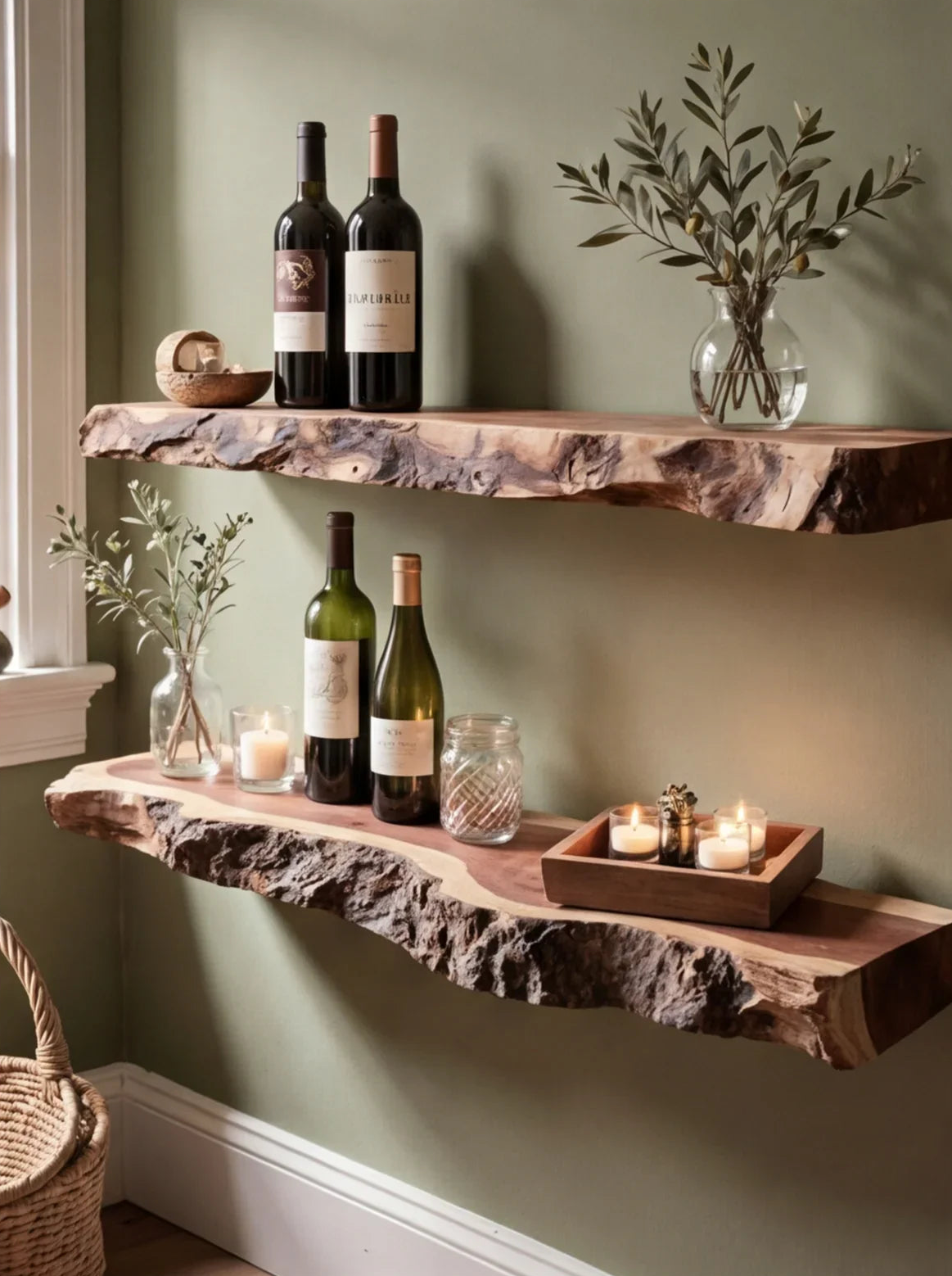
Handcrafted Live Edge Floating Bar Shelf – Rustic Solid Wood Wall Shelf for Kitchen or Bar
From $167.00
Christmas edit
Handcrafted Live Edge Floating Bar Shelf – Rustic Solid Wood Wall Shelf for Kitchen or Bar
From $167.00
 Christmas edit
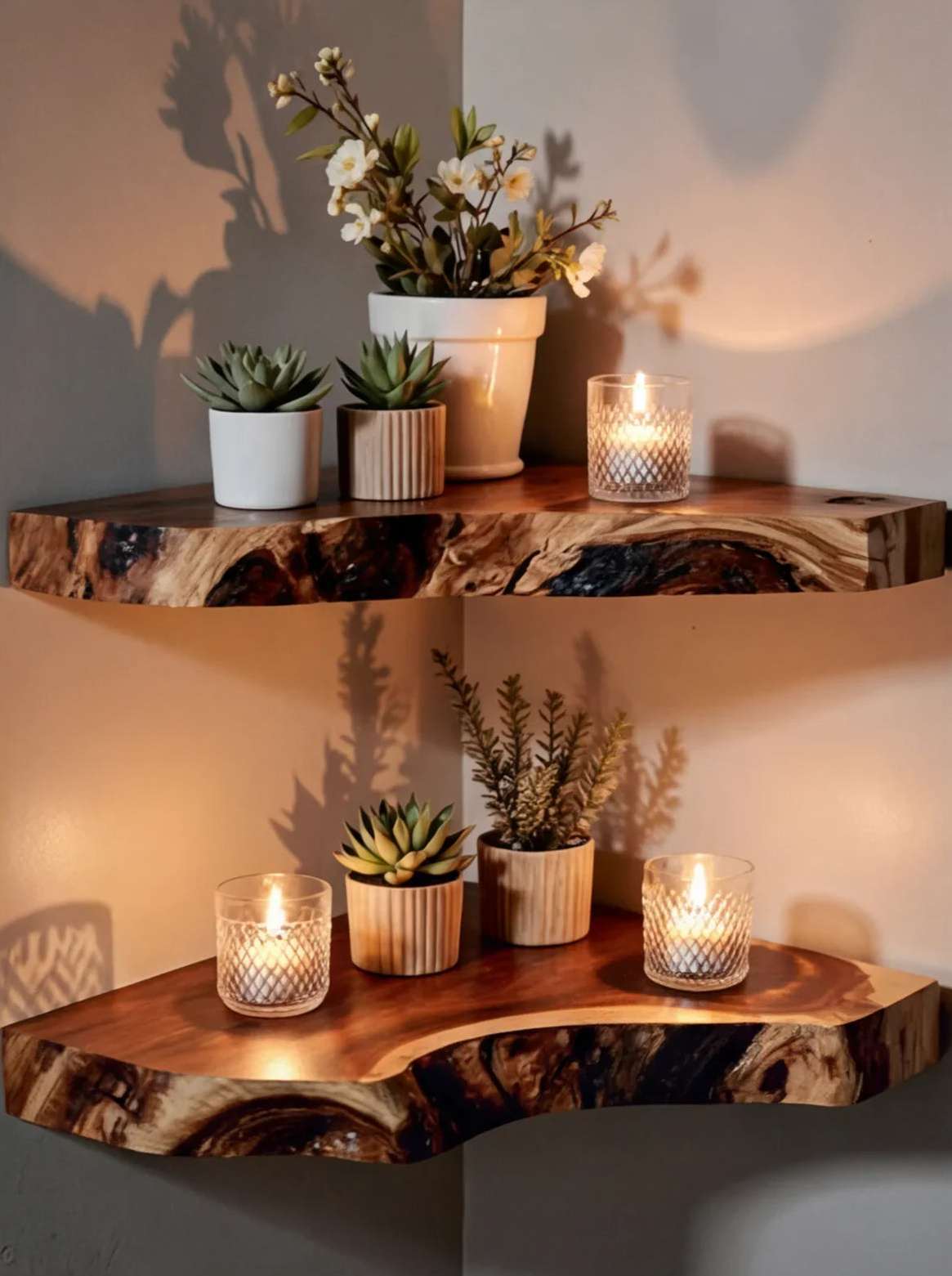
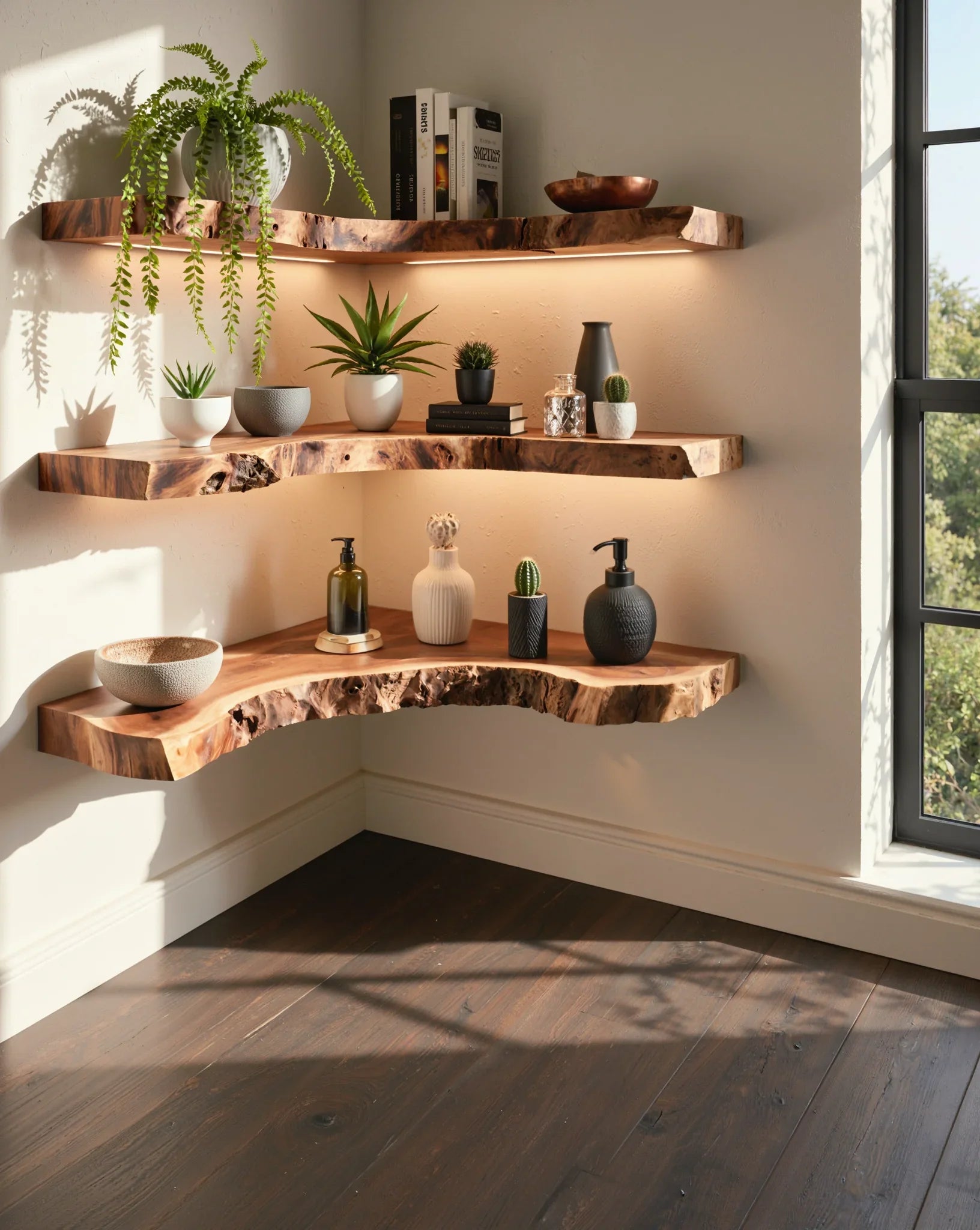
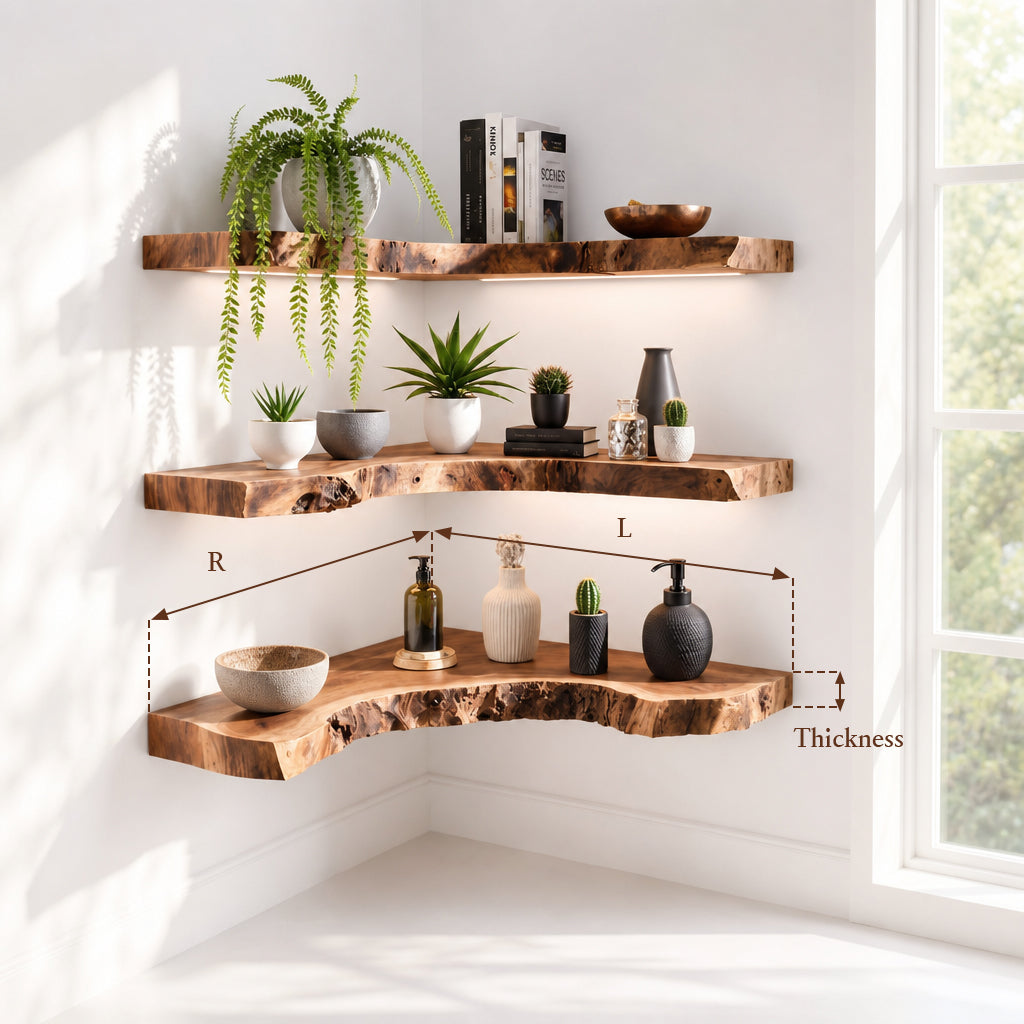
Rustic Corner Wall Shelf – Natural Live Edge Wood Floating Shelf for Candles and Plants
From $176.00
Christmas edit
Rustic Corner Wall Shelf – Natural Live Edge Wood Floating Shelf for Candles and Plants
From $176.00
 Christmas edit
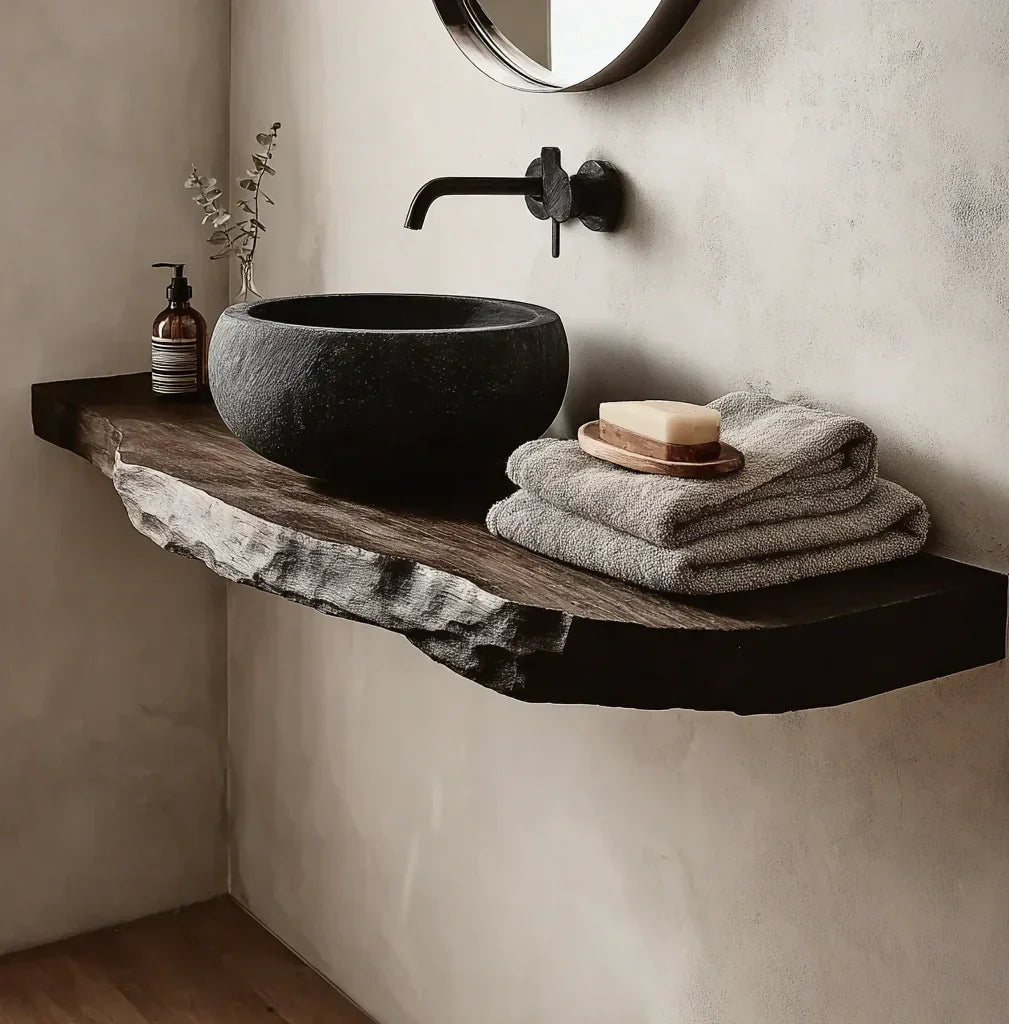
Rustic Live Edge Floating Vanity – Handmade Wooden Bathroom Shelf with Brackets
From $180.00
Christmas edit
Rustic Live Edge Floating Vanity – Handmade Wooden Bathroom Shelf with Brackets
From $180.00
 Christmas edit
Rustic Teak Root Wood Corner Shelf - Floating Corner Shelf Decor
From $176.00
Christmas edit
Rustic Teak Root Wood Corner Shelf - Floating Corner Shelf Decor
From $176.00
 Christmas edit
Live Edge Corner Floating Shelf – Handcrafted Solid Wood Wall Shelf
From $140.00
Christmas edit
Live Edge Corner Floating Shelf – Handcrafted Solid Wood Wall Shelf
From $140.00
 Christmas edit
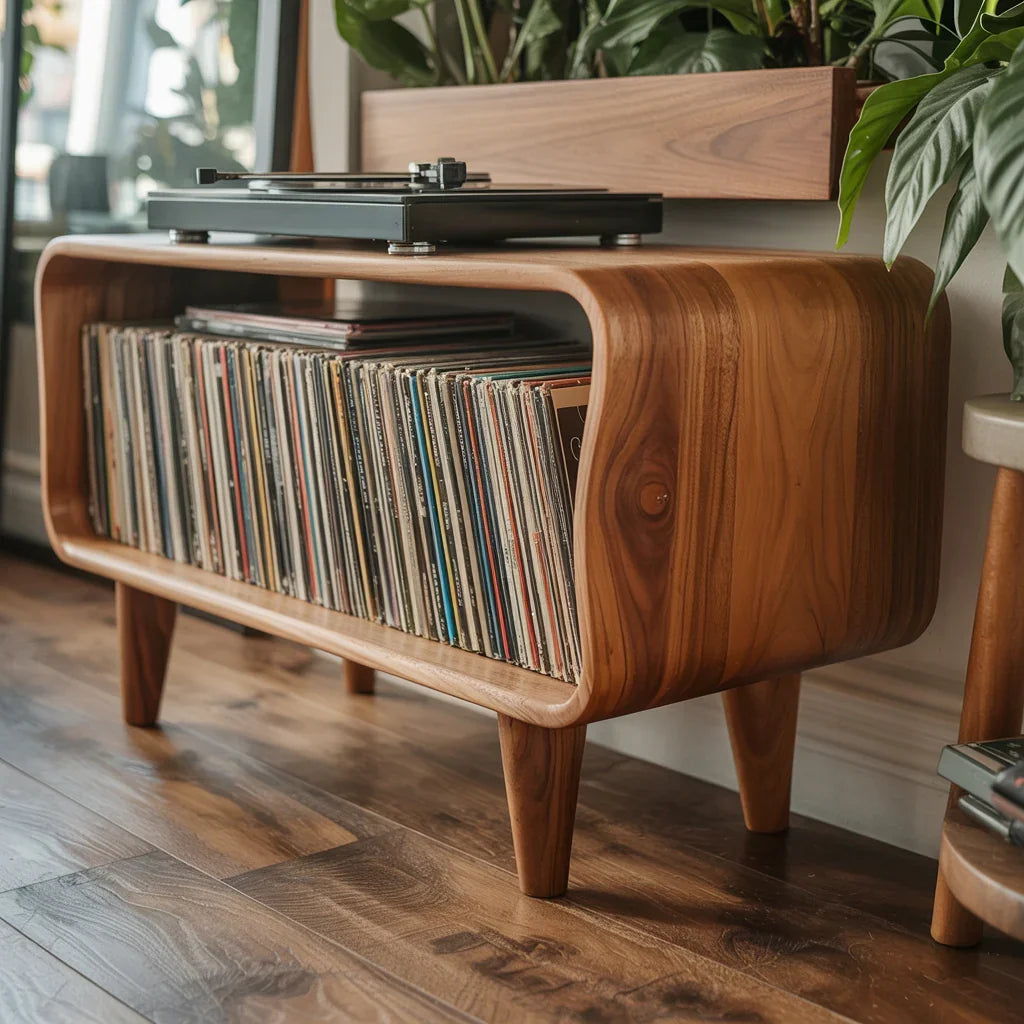
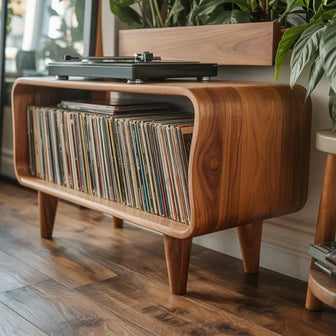
Ashdeco Solid Wood Record Player Stand – Mid-Century Modern Turntable Console
From $1,023.00
Christmas edit
Ashdeco Solid Wood Record Player Stand – Mid-Century Modern Turntable Console
From $1,023.00
How to Care for Solid Wood Furniture: The Complete Guide to Cleaning, Maintaining & Protecting Your Pieces
Solid wood furniture is built to last generations - but only if you know how to care for wood furniture properly. Whether you're maintaining a freshly delivered dining table or preserving a vintage dresser, this wood furniture care guide covers everything from daily cleaning to seasonal maintenance, pest prevention, and accident recovery. Follow these routines and your pieces will age gracefully into the family heirlooms you're proud to pass down.

What Makes Solid Wood Different (And Why It Needs Special Care)
Solid wood isn't just a material - it's a living thing. Unlike engineered wood or MDF, solid wood furniture expands and contracts with changes in temperature and humidity. This "breathing" is what gives wood its character, but it's also why generic cleaning advice can actually damage your pieces.
Understanding how wood moves is the first step in learning how to maintain solid wood furniture for longevity. Moisture causes swelling, dryness causes shrinking, and rapid swings between the two cause cracking. Every care decision you make should work with this natural behavior, not against it.
Daily & Weekly Care Routines
Dust the Right Way
The most important habit in wood furniture maintenance is also the simplest - but most people do it wrong.
- Use a clean microfiber cloth - not feather dusters (they scratch) and not paper towels (they leave lint and micro-scratches).
- Wipe with the grain, not against it. The grain direction is the path of least resistance; going against it drags dust particles across the surface like fine sandpaper.
- Dust before it builds up. Weekly dusting takes 2 minutes. Waiting until you can see a film means you'll need more aggressive cleaning - and every extra cleaning cycle wears down your finish slightly.

What NOT to Use on Wood Furniture
| Product | Why It's Bad |
|---|---|
| Silicone-based furniture polish | Creates a buildup layer that dulls over time and prevents proper refinishing later |
| All-purpose cleaners (Windex, Lysol) | Ammonia and bleach strip finishes and dry out the wood |
| Vinegar (undiluted or frequent use) | Acidic - eats through lacquer and polyurethane finishes over time |
| Wet cloths | Standing water causes white rings, warping, and finish bubbling |
The 30-Minute Spill Rule
Here's something most wood furniture care guides don't tell you: timing matters more than the product.
When liquid hits your wood surface, you have roughly 30 minutes before it penetrates the finish and causes permanent damage. The type of finish determines your actual window:
- Oil/wax finish: 10–15 minutes before absorption begins
- Lacquer: 30–45 minutes (more water-resistant)
- Polyurethane: 45–60 minutes (most protective, but not invincible)
The rule: blot - don't wipe - immediately. Place a dry cloth flat on the spill and press gently. Wiping pushes liquid deeper into the grain and across a wider area.


Monthly & Seasonal Maintenance
Deep Cleaning Schedule
A deeper clean every 1–3 months removes embedded grime that regular dusting misses. The frequency depends on usage:
- Dining tables and kitchen carts: monthly
- Bedroom dressers and nightstands: every 2–3 months
- Display cabinets and low-traffic pieces: quarterly
Method: Dampen (not soak) a microfiber cloth with warm water and a drop of mild dish soap. Wipe with the grain, then immediately dry with a second clean cloth. Never let moisture sit on the surface.
Oiling & Waxing: When and How Often
Not all wood furniture care products work on all furniture. The right product depends on your finish:
For oil-finished wood (tung oil, linseed oil, Danish oil):
- Reapply every 3–6 months, or when wood looks dry/ashy
- Apply thin coats with a lint-free cloth, let penetrate 15 minutes, wipe off excess
- More is not better - over-oiling creates a sticky film that attracts dust
For wax-finished wood (beeswax, carnauba):
- Wax every 2–4 months for high-use pieces, 4–6 months for light use
- Apply paste wax in thin layers, let haze (10–15 min), then buff with a clean cloth
- Don't wax over existing wax buildup - strip first with mineral spirits
For lacquer or polyurethane finishes:
- No oiling or waxing needed - the finish seals the wood
- An occasional furniture polish designed for sealed surfaces is enough (silicone-free)
- When the finish itself wears thin, professional refinishing is the answer, not more product
Humidity Control: The Silent Protector
The single most effective thing you can do for wood furniture maintenance has nothing to do with cleaning products.
Ideal indoor humidity for solid wood: 40–60% RH.
Below 40%: wood shrinks, joints loosen, cracks form at end grain.
Above 60%: wood swells, drawers stick, mold risk increases, finish may cloud.
Practical tips:
- Place a small hygrometer near your wood furniture ($10 on Amazon) - you can't manage what you don't measure
- Winter heating = dry air. Use a humidifier or place shallow water trays near radiators
- Summer humidity = swelling. Run AC or a dehumidifier in rooms with valuable pieces
- Keep furniture at least 2 inches from exterior walls (the coldest surface where condensation forms)
Seasonal Care Checklist
Spring:
- Deep clean all pieces after winter (dust + heating = grit buildup)
- Inspect for new cracks, loose joints, or finish wear
- Re-oil or re-wax pieces that need it
Summer:
- Monitor sun exposure - shift furniture or apply window film to prevent UV fading
- Increase humidity monitoring (AC can be deceptively drying)
- Check for pest signs (see Pest Prevention section below)
Fall:
- Pre-winter oiling/waxing before heating season begins
- Test and replace humidifier filters
- Move furniture away from upcoming heat sources
Winter:
- Run humidifiers consistently
- Never place wood furniture directly against a hot radiator
- Watch for white rings from condensation on cold surfaces near windows

Protecting Your Furniture from Common Damage
Sun & UV Damage
UV radiation is the #1 cause of wood color change over time. Walnut darkens, cherry lightens, oak turns amber. This is natural patina for some, damage for others.
- Window placement: Rotate pieces every 6 months so one side doesn't get all the sun
- UV-blocking window film: Costs $50–100, blocks 99% of UV, invisible from inside
- Heavy curtains during peak sun hours: Simple, effective, especially for irreplaceable antiques
Heat & Moisture Protection
- Always use coasters - not just for drinks, but for any item that can sweat (vases, plant pots, electronics)
- Placemats and trivets for all hot dishes - "warm to the touch" is not the same as "safe for wood." Anything above 120°F can cloud a finish
- No glass directly on wood without felt pads - glass traps moisture and creates a micro-climate that damages the finish
Scratch & Dent Prevention
- Felt pads on every leg, every piece - check and replace every 6 months (they compress and fall off)
- Table runners on dining tables during meals, not just special occasions
- Pet awareness: Trim pet nails, use throw blankets on favorite resting spots. Cat claws can gouge soft woods like pine and acacia through fabric.
Pest & Infestation Prevention
Termites, powderpost beetles, and wood borers don't just live in walls - they find your furniture too. This is one part of wood furniture care that people ignore until it's too late.
Signs of infestation:
- Tiny round exit holes (1–3mm) in the wood surface
- Fine, powdery dust (frass) around or beneath furniture
- A hollow or papery sound when you tap the wood
- Visible mud tubes (termites) on legs or undersides
- Warping or crumbling that can't be explained by humidity
Prevention steps:
- Inspect second-hand pieces before bringing them home - check underside, back panels, and inside drawers. Don't buy anything with frass or exit holes.
- Neem oil treatment: A light wipe-down with diluted neem oil (1 tsp neem oil + 1 cup warm water) every 6 months deters wood-boring insects naturally. Safe for oil-finished wood; test on lacquer first.
- Ventilation: Pests thrive in stagnant, humid spaces. Open cabinet doors periodically, don't pack furniture wall-to-wall, and keep storage areas airy.
- Avoid cardboard against wood: Cardboard harbors silverfish and attracts moisture. Use cloth or plastic shelving liners instead.
- When to call pest control: If you find active frass, live insects, or multiple exit holes, don't try DIY fixes. Seal the piece in plastic if possible and call a professional - the cost of treatment ($200–500) is far less than replacing a damaged piece.
Hard Water Stains
Hard water leaves mineral deposits that etch into finishes over time. If you place wet glasses or damp items on wood regularly, you'll see cloudy rings that don't wipe off.
Prevention: Coasters are non-negotiable. For chronic hard water areas, consider a thin glass top on frequently-used surfaces.

Don't miss
These pieces qualify for 10% off orders over $2,000. Applied automatically at checkout.
 10% off
Modern Floating Wooden Vanity – Handmade Rustic Solid Wood Bathroom Cabinet
From $2,090.00
10% off at checkout
10% off
Modern Floating Wooden Vanity – Handmade Rustic Solid Wood Bathroom Cabinet
From $2,090.00
10% off at checkout
 10% off
Solid Wood Turntable Stand – Rustic Record Player Cabinet with Farmhouse Storage
From $2,036.00
10% off at checkout
10% off
Solid Wood Turntable Stand – Rustic Record Player Cabinet with Farmhouse Storage
From $2,036.00
10% off at checkout
 10% off
Tree Bookshelf – Rustic Wooden Book Tree Shelf, Wall-Mounted Natural Wood Décor
$2,099.00
10% off at checkout
10% off
Tree Bookshelf – Rustic Wooden Book Tree Shelf, Wall-Mounted Natural Wood Décor
$2,099.00
10% off at checkout
 10% off
Live Edge L-Shaped Desk – Handmade Solid Wood Corner Desk for Home Office
From $2,340.00
10% off at checkout
10% off
Live Edge L-Shaped Desk – Handmade Solid Wood Corner Desk for Home Office
From $2,340.00
10% off at checkout
Fixing Common Problems (DIY Remedies)
⚠️ Before you apply anything: Always test in an inconspicuous area first - the underside of a table, the back of a leg, or inside a drawer. What works on one finish can permanently damage another. There is no universal wood care remedy. Each solution below is labeled by finish type.
Water Rings & White Marks
Oil/wax finish:
Mix equal parts white vinegar and olive oil (1:1 ratio). Dab onto the ring with a soft cloth, rub with the grain in small circles for 30 seconds, then wipe clean with a dry cloth. The vinegar breaks down the trapped moisture while the oil replenishes the surface.
Lacquer/polyurethane finish:
Use the low-heat iron method only. Place a clean, dry cotton cloth (not terry cloth - it can imprint) over the white ring. Set an iron to LOW heat (no steam). Press the iron onto the cloth for 3–5 seconds, lift, check. Repeat until the ring fades. Do not exceed low heat - high heat melts lacquer. Never use vinegar on lacquer - the acid will eat through the finish and create a dull, cloudy spot worse than the original ring.
Light Scratches
Oil finish:
Rub the meat of a raw walnut over the scratch. The natural oils in the walnut darken and fill shallow scratches remarkably well. For slightly deeper scratches, use a touch-up oil pen matched to your wood species.
Lacquer/polyurethane finish:
Use colored wax filler sticks (available at any hardware store). Choose a shade one tone lighter than your finish - it's easier to darken than to lighten. Press the wax into the scratch, level with a plastic card, then buff gently with a soft cloth. Do not use the walnut method on lacquer - the oils sit on top of the sealed surface and attract dust, making the scratch more visible over time.
Sticky Residue & Adhesive Leftover
Oil finish:
Make a paste of mineral oil and baking soda (2:1 ratio). Apply to the sticky area, let sit for 2–3 minutes, then rub gently with a cloth. The baking soda provides mild abrasion while the mineral oil protects the wood underneath.
Lacquer/polyurethane finish:
Use only a damp cloth with a drop of mild dish soap. Do NOT use baking soda on glossy lacquer or polyurethane - it's abrasive enough to create micro-scratches that dull the shine permanently. For stubborn adhesives, a small amount of rubbing alcohol on a cloth works, but test first - alcohol can soften some cheaper lacquer formulations.
Dull or Worn Finish
Oil finish:
When the surface looks ashy or feels rough to the touch, it's time to re-oil. Clean the surface first, apply a thin coat of your matching oil (tung, linseed, or Danish), let it penetrate for 15 minutes, then wipe off all excess. Let cure for 24 hours before use.
Lacquer/polyurethane finish:
You can't "re-oil" a sealed surface. If the finish is dull from wear, your options are:
- Use a silicone-free furniture polish for a temporary shine boost
- Light surface buffing with fine-grade (0000) steel wool and paste wax
- Professional refinishing when the finish is worn through to bare wood
Odor Removal & Musty Smells
Enclosed wood spaces - drawers, cabinets, armoires - trap odors over time. Here's how to clear them without damaging the wood:
Baking soda method (safe for all finishes):
Place an open box or small bowl of baking soda inside the closed drawer or cabinet overnight. Baking soda absorbs odors passively without touching the wood surface. Remove in the morning and wipe the interior with a dry cloth. Repeat for 2–3 nights if the smell persists.
Sun and air circulation (safe for all finishes):
Remove all contents, open all doors and drawers, and place the piece in indirect sunlight for 2–4 hours with good airflow. This is the most natural deodorizing method and also helps eliminate any latent moisture. Don't leave pieces in direct sun for more than 2 hours - UV damage accumulates.
Coffee grounds trick (for persistent odors):
Place a small bowl of dry, used coffee grounds inside the enclosed space for 24–48 hours. Coffee grounds are excellent odor absorbers. Ensure the grounds are in a bowl - not loose - to avoid staining.
⚠️ What NOT to do for odors:
- No essential oils directly on wood - they stain oil-finish surfaces and can react with lacquer
- No spray air fresheners inside cabinets - the propellant and alcohol content can cloud finishes
- No bleach or ammonia - they destroy both the wood and your lungs in enclosed spaces
When to Call a Professional
Not every problem is a DIY fix. Here's how to tell the difference:
Call a furniture restorer when you see:
- Deep gouges (deeper than 1/8 inch) that expose raw wood below the finish layer
- Structural cracks running across joints or through the entire width of a board
- Warping that prevents doors from closing, drawers from sliding, or tables from sitting level
- Finish failure - large areas where the finish is peeling, flaking, or has turned white/cloudy across the entire surface
- Active pest infestation - frass, live insects, mud tubes
What a professional can do that you can't:
- Strip and re-finish an entire piece to factory-quality standards
- Reglue and clamp loose structural joints
- Fill and blend deep gouges so they're invisible
- Treat active pest infestations with professional-grade fumigants
- Color-match and blend repairs on rare wood species
Approximate cost ranges (US market):
- Minor scratch/dent repair: $50–150 per piece
- Full strip and refinish (dining table): $300–800
- Structural joint repair: $100–400 per joint
- Pest treatment (furniture-level): $200–500
- Antique restoration (full): $500–2,000+

Care by Wood Species (Quick Reference)
Different woods have different personalities. Here's a quick reference for the most common species in solid wood furniture:
| Wood Species | Hardness | Key Care Note |
|---|---|---|
| Oak (Red/White) | Hard | Very durable, but open grain traps dirt - dust with grain direction |
| Walnut | Medium-Hard | Darkens with age and UV exposure; oil every 4–6 months |
| Cherry | Medium | Lightens in sun; avoid harsh cleaners - cherry finishes are often thin |
| Maple | Very Hard | Dense and stain-resistant, but shows water marks easily - coasters essential |
| Acacia | Hard | Beautiful grain but prone to checking (small surface cracks) in dry conditions; monitor humidity closely |
| Teak | Very Hard | Naturally oil-rich - rarely needs oiling indoors; outdoors, apply teak oil 2× per year |
| Pine | Soft | Dents easily; felt pads on everything; avoid heavy objects on untreated surfaces |
Acacia Wood Care
Acacia is increasingly popular in modern furniture for its dramatic grain patterns and durability, but it requires specific attention:
- Humidity sensitivity: Acacia moves more than most hardwoods. Keep it in the 45–55% RH range to minimize checking (small surface cracks along the grain).
- Oiling frequency: Every 3–4 months with food-grade mineral oil or dedicated acacia oil for indoor pieces.
- Avoid: Placing acacia near heating vents or in rooms with rapid temperature swings. The dramatic grain that makes it beautiful also means uneven expansion stress.
- Cleaning: Damp cloth only. Acacia's open grain holds moisture longer than denser woods.

Teak Wood Furniture Care
Teak is one of the most low-maintenance woods - but only if you understand why.
Indoor teak furniture:
- Teak's natural oils protect it from moisture, insects, and decay
- Clean with soapy water and a soft brush every few months
- Do not oil indoor teak - adding oil to already-oily wood creates a sticky surface that traps dust
- If indoor teak turns silvery-gray, it's just surface oxidation - a light sanding with 220-grit restores the warm color
Outdoor teak furniture:
- Apply teak oil or teak sealer 2× per year (spring and fall)
- Without oiling, outdoor teak weathers to a silver-gray patina - this is natural and doesn't indicate damage
- Cover or store during harsh winter weather to extend lifespan

Give your furniture a piece worth caring for.
Explore Ashdeco's handcrafted solid wood collection - oak, walnut, acacia, and teak pieces built to be passed down, not replaced.
Shop the Solid Wood Furniture →Solid wood · Handcrafted · Built to last generations
What to Avoid - 7 Common Mistakes That Ruin Wood Furniture
Even with the best intentions, these habits silently damage your furniture:
- All-purpose cleaners - Ammonia, bleach, and degreasers strip finishes. Wood is not a kitchen counter.
- Furniture polish buildup - Silicone-based polishes layer over time, creating a dull film that can only be removed by full stripping.
- Direct heat sources - Radiators, fireplaces, and heating vents bake the wood on one side, causing irreversible warping and joint failure.
- Dragging instead of lifting - Every drag micro-fractures joints. Lift every time, even an inch.
- Plastic covers on furniture - They trap moisture against the finish, creating the exact conditions for mold, clouding, and adhesive failure.
- Over-oiling - More oil doesn't mean more protection. Excess oil turns gummy, attracts dust, and prevents proper re-finishing later.
- Ignoring humidity swings - The invisible killer. A piece that survives 10 years of stable humidity can crack in one winter with a cheap space heater running 24/7.

Long-Term Care Calendar
Print this or screenshot it. Stick it on your fridge. This is your wood furniture maintenance at-a-glance:
| Frequency | Action |
|---|---|
| Weekly | Dust all visible wood surfaces with microfiber cloth (with the grain) |
| Monthly | Deep-clean high-use pieces (dining table, kitchen cart, desk) with damp cloth + mild soap |
| Quarterly | Check humidity levels; inspect for new scratches, water marks, or finish wear; rotate sun-exposed pieces |
| Every 3–6 months | Re-oil oil-finished pieces; re-wax wax-finished pieces |
| Every 6 months | Replace felt pads; inspect for pest signs; deep-clean enclosed spaces (drawers, cabinets) |
| Annually | Full inspection of all pieces - joints, finish, structural integrity; plan any professional repairs before damage worsens |
Frequently Asked Questions About Wood Furniture Care
How often should I oil or wax my wood furniture?
For oil-finished pieces, re-oil every 3–6 months, or when the wood looks dry and ashy to the eye. For wax-finished pieces, apply paste wax every 2–4 months for high-use surfaces and every 4–6 months for light-use pieces. Furniture with lacquer or polyurethane finishes doesn't need oiling or waxing at all - the finish itself provides the protection.
Can I use regular household cleaners on wood furniture?
No. Most all-purpose cleaners contain ammonia, bleach, or alcohol - all of which strip wood finishes and dry out the wood underneath. For clean wood furniture safely, stick to a slightly damp microfiber cloth with a drop of mild dish soap, followed immediately by a dry cloth. Never spray cleaner directly onto wood; always apply to the cloth first.
How do I protect wood furniture from scratches and dents?
The three most effective steps are: (1) apply felt pads to every leg of every piece and replace them every 6 months, (2) use table runners or placemats during every meal, and (3) keep heavy or sharp objects off untreated surfaces. For homes with pets, trim nails regularly and use throw blankets on favorite resting spots.
What is the best way to preserve wood furniture long-term?
How to preserve wood furniture for decades comes down to three non-negotiable habits: maintain indoor humidity between 40–60% RH (the single biggest factor), dust weekly with a microfiber cloth with the grain, and blot spills within 30 minutes. Everything else - oiling, waxing, polishing - is secondary to these fundamentals.
How do I fix white water rings on wood tables?
It depends on your finish. For oil or wax finishes, mix equal parts white vinegar and olive oil, dab onto the ring, rub gently with the grain for 30 seconds, then wipe clean. For lacquer or polyurethane finishes, use the low-heat iron method - place a dry cotton cloth over the ring, press a warm iron (no steam) for 3–5 seconds, lift and check, repeat until the mark fades. Never use vinegar on lacquer.
How do you maintain solid wood furniture for longevity in humid climates?
How to maintain solid wood furniture for longevity in humid environments (like tropical or coastal areas) requires extra humidity management: run a dehumidifier to keep RH below 60%, ensure good air circulation around all pieces (minimum 2 inches from walls), and inspect for pest signs monthly - termites and wood borers thrive in warm, humid conditions. Re-oil oil-finished pieces every 3 months instead of 6, as humidity accelerates finish wear.
Is teak wood furniture care different from other woods?
Yes. Teak wood furniture care is simpler than most woods because teak naturally produces oils that protect it from moisture, insects, and decay. Indoors, teak rarely needs oiling - just clean with soapy water every few months. Outdoors, teak weathers to a silver-gray patina naturally; apply teak oil twice a year only if you want to maintain the warm golden color. Never oil indoor teak - adding oil to already-oily wood creates a sticky dust magnet.
Taking care of wood furniture isn't about perfection - it's about consistency. The pieces that survive for generations aren't the ones that get expensive treatments once a year. They're the ones that get dusted every week, dried after every spill, and kept in rooms where the air doesn't swing between desert and swamp.