Quick view
- Start by grouping objects by visual role, not just by size
- A hollow display nook is one of the best ways to make a small object feel important
- Multiple hollows and nooks create a more story-like display
- Symmetry helps when the objects themselves are irregular
- Tabletop display can work better than wall display for small collectibles you touch often
- The best display shelves leave room for empty space
- Honest downsides
- Why handcrafted shelves make small objects look more deliberate
- FAQ
Shop this guide
Handcrafted Floating Shelves, made to order in solid wood.
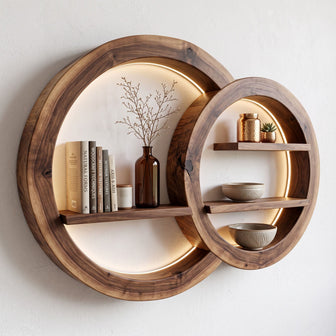
 Sculptural Overlapping Circular Solid Wood Wall Shelf with Multi Tier Display
From $1,354.00
Sculptural Overlapping Circular Solid Wood Wall Shelf with Multi Tier Display
From $1,354.00
 Mountain Landscape Relief Solid Wood Floating Shelf Live Edge Display Ledge
From $1,154.00
Mountain Landscape Relief Solid Wood Floating Shelf Live Edge Display Ledge
From $1,154.00
 Enchanted Forest Circular Wall Shelf - Round Carved Timber Mushroom Portal
From $1,023.00
Enchanted Forest Circular Wall Shelf - Round Carved Timber Mushroom Portal
From $1,023.00
 Cottagecore Arched Wood Wall Niche - Hand-Carved Fairy Mushroom Alcove Shelf
From $1,356.00
Cottagecore Arched Wood Wall Niche - Hand-Carved Fairy Mushroom Alcove Shelf
From $1,356.00
 Sculptural Hand-Carved Mushroom Solid Wood Corner Floating Shelf & Biomorphic Wall Display Ledge
From $345.00
Sculptural Hand-Carved Mushroom Solid Wood Corner Floating Shelf & Biomorphic Wall Display Ledge
From $345.00
 Sculptural Hand-Carved Mushroom Solid Wood Floating Shelves & Biomorphic Wall Display Ledges
From $345.00
Sculptural Hand-Carved Mushroom Solid Wood Floating Shelves & Biomorphic Wall Display Ledges
From $345.00
The hardest part of displaying small collectibles is rarely finding enough stuff to put on a shelf. It is knowing how to make those objects feel intentional instead of accidental. That is why the best display shelf ideas are not just about adding more surface area. They are about giving each object enough shape, spacing, and context to look chosen.
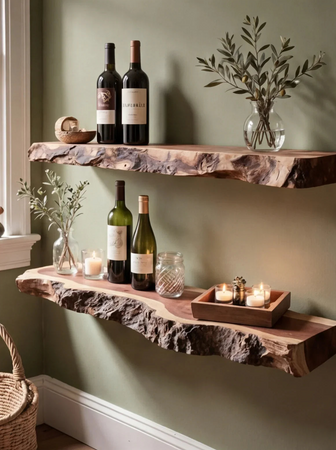
Small collectibles can look beautiful when they are framed properly. The same shell, ceramic piece, tiny figure, candle holder, or found object can also look like clutter if the shelf does not help organize the eye. A good display shelf acts like a quiet stage, not just a ledge.
Start by grouping objects by visual role, not just by size
A lot of shelves go wrong because everything is treated the same. One tiny object beside another tiny object beside another tiny object usually creates visual static, not a display. A stronger arrangement comes from mixing shapes, heights, and weights so the shelf feels edited.
A useful way to think about small collectibles:
| Object type | Best shelf condition | Why it works |
|---|---|---|
| Tiny ceramics or figurines | Nook or hollow display space | Frames the object and gives it focus |
| Candles and stones | Stable open shelf | Lets the material texture read clearly |
| Mini framed art or keepsakes | Wider symmetrical shelf | Gives the arrangement balance |
| Desk collectibles | Tiered tabletop organizer | Makes small objects feel curated, not scattered |
A hollow display nook is one of the best ways to make a small object feel important
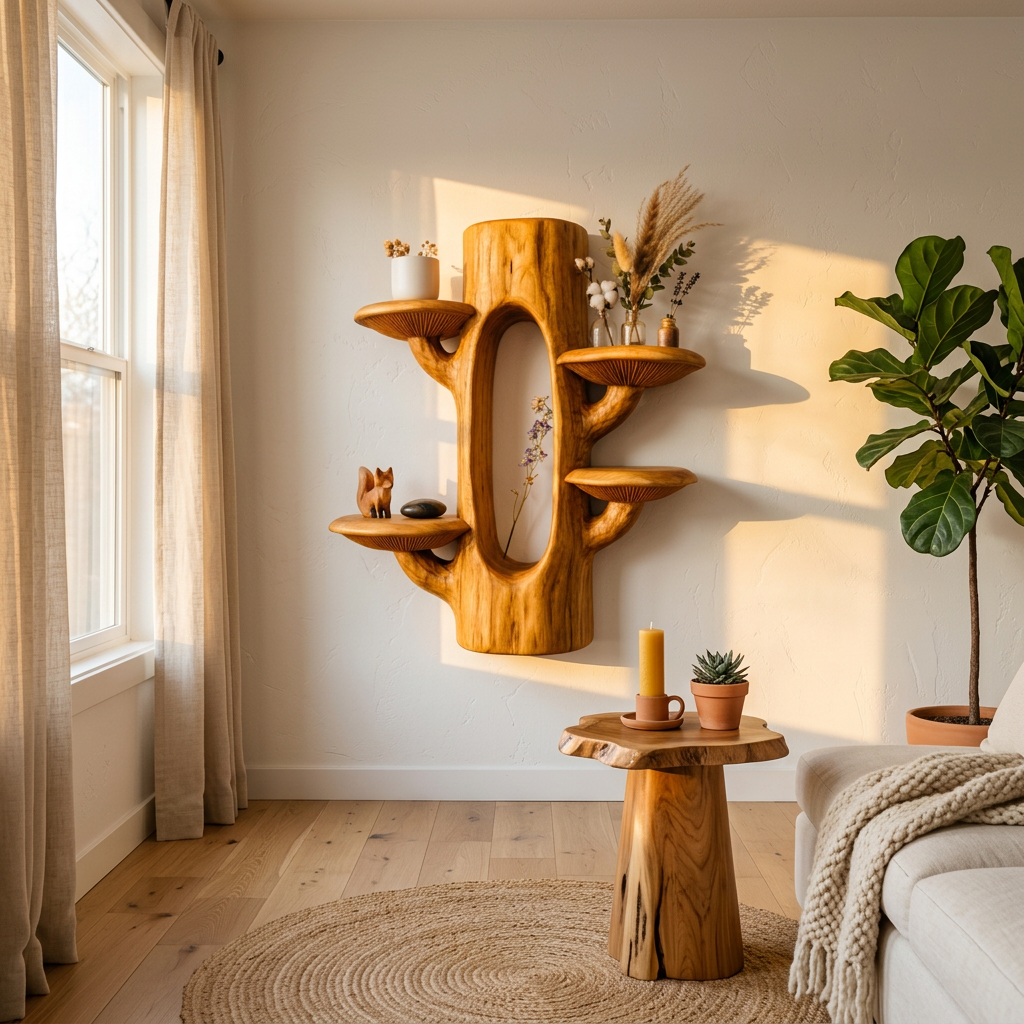
If you want one small collectible to stand out, a hollow shelf works better than a flat shelf in most cases. The reason is simple. A nook creates a boundary, and boundaries create focus. The object stops feeling like something placed on a shelf and starts feeling intentionally framed.
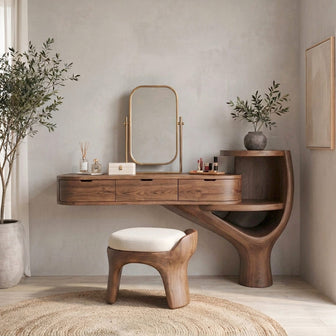
Ashdeco's Tree Trunk Mushroom Wall Shelf with Hollow Display Nook is priced at $1235.00 and is one of the clearest examples of this. A shell, small ceramic, candle, or keepsake inside the hollow immediately reads as more deliberate than it would on an open flat ledge.

This is one of the best display shelf ideas for people who want fewer objects to matter more.


Multiple hollows and nooks create a more story-like display
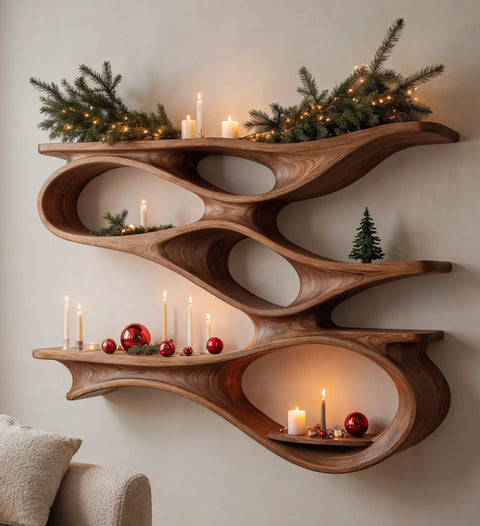
Some collections do not want a single focal point. They want a few distinct moments that feel related. That is where a shelf with multiple hollows or nooks becomes much stronger than a normal shelf with one long surface.
The Mushroom Tree Column Wall Shelf with Two Bird Nest Hollows costs $1490.00 and works well for this kind of display. The separate niches help small objects feel individually placed rather than grouped into a pile.

This direction works especially well with curated objects that feel personal: a small found stone, a miniature vessel, a meaningful object from travel, or a tiny handmade figure. The shelf already gives the display a narrative structure.
Symmetry helps when the objects themselves are irregular
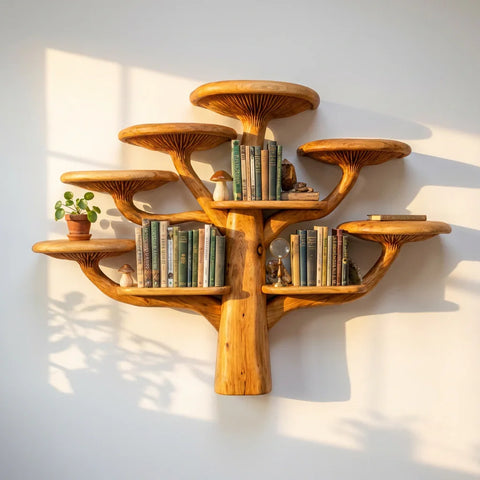
Not every collectible arrangement wants a dramatic or highly organic shelf. Sometimes the objects are already varied enough, and the shelf should bring order rather than more movement.
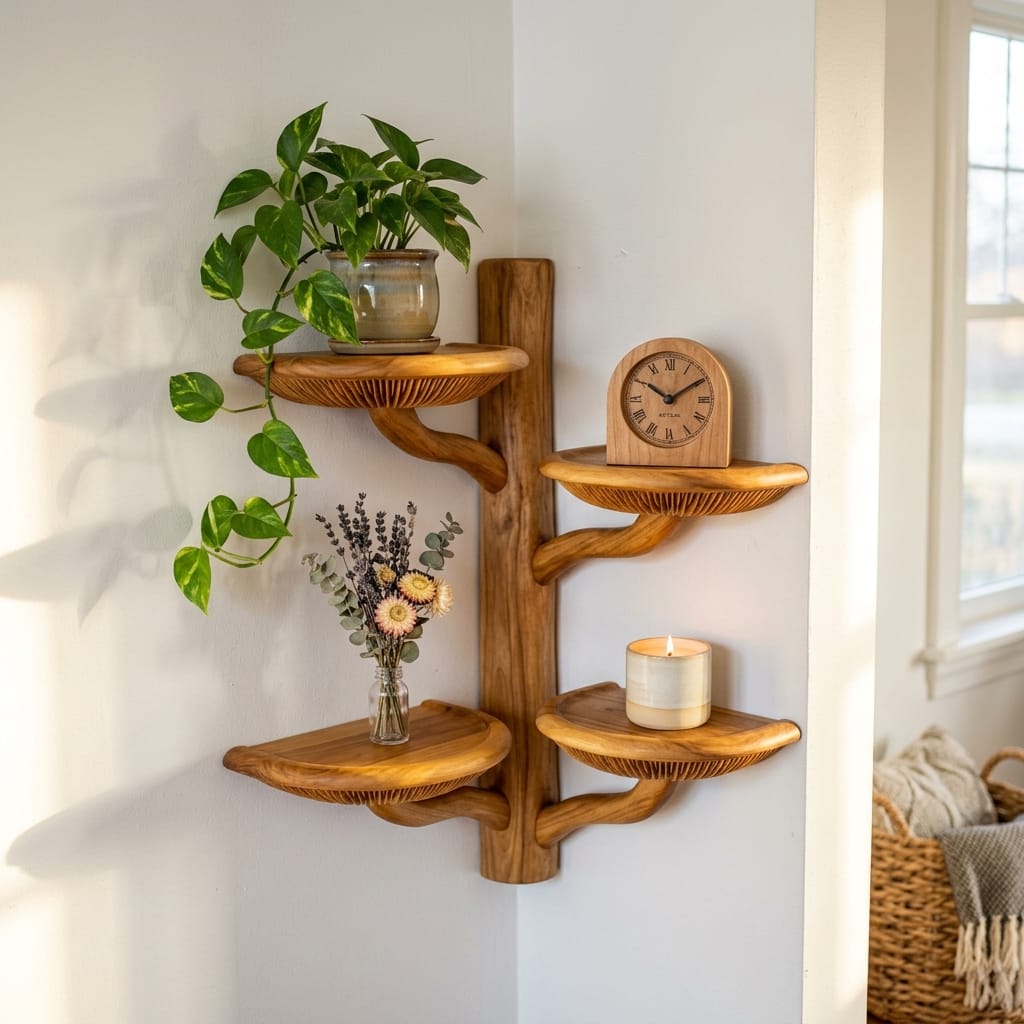
The Mushroom Tree Wall Shelf with Paired Fan Shelves is priced at $1295.00 and works because the structure is calmer. That makes it a good choice when your objects are all slightly different and need a more balanced frame.

This kind of piece is useful in bedrooms, entryways, and calmer living spaces where you want the display to feel edited rather than theatrical.
Don't miss
These pieces qualify for 10% off orders over $2,000. Applied automatically at checkout.
Tabletop display can work better than wall display for small collectibles you touch often
Some collectibles should not live high on a wall at all. If you rotate them, move them, or like to interact with them, a tabletop organizer often works better because it keeps the objects accessible while still making them feel intentional.
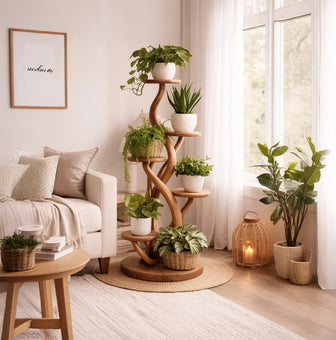
The Handcrafted Mushroom Tree Desk Organizer is $1280.00 and is a strong fit for mini ceramics, rings, tiny books, small desk objects, and collected pieces you want near eye level.

Handcrafted Mushroom Tree Desk Organizer | $1280.00
If your display needs to live near a work zone or entry drop zone, this kind of piece can be more useful than a wall shelf. It also pairs naturally with a narrow console table or a styled desk.
The best display shelves leave room for empty space
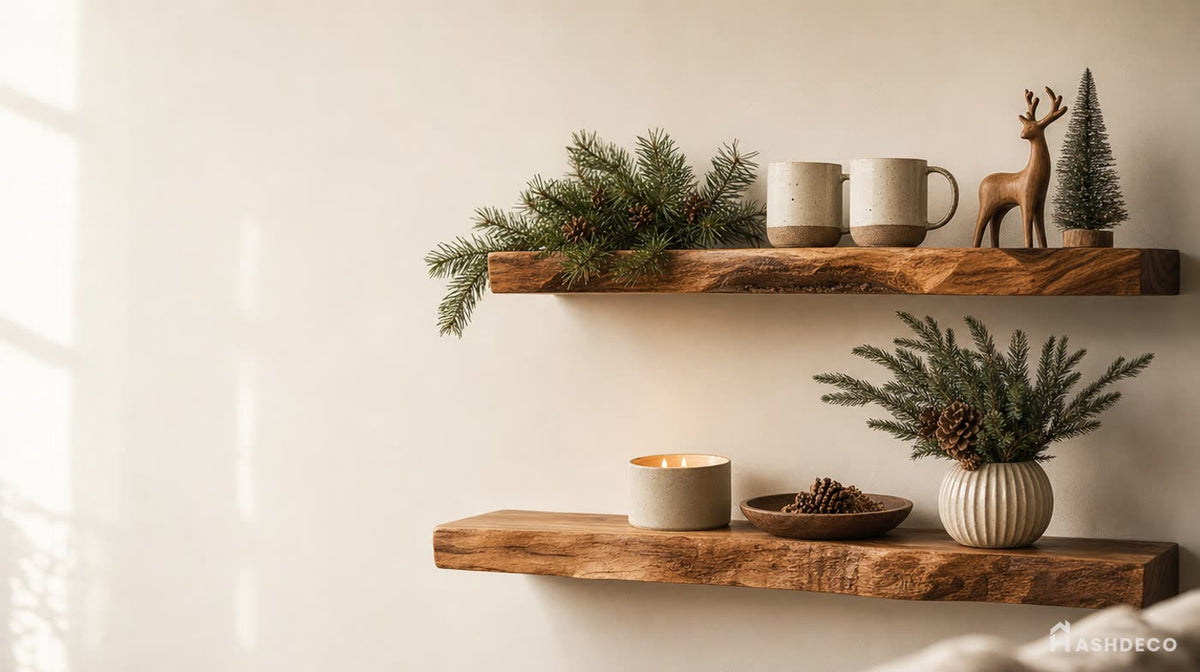
A lot of collectible displays fail because the owner tries to show everything at once. That is understandable, but it usually weakens the objects instead of strengthening them. Good display shelves almost always use negative space as part of the composition.
That is especially true with sculptural shelves. If the shelf already has shape, the empty areas help the object and the shelf work together. If every inch is filled, both get lost.
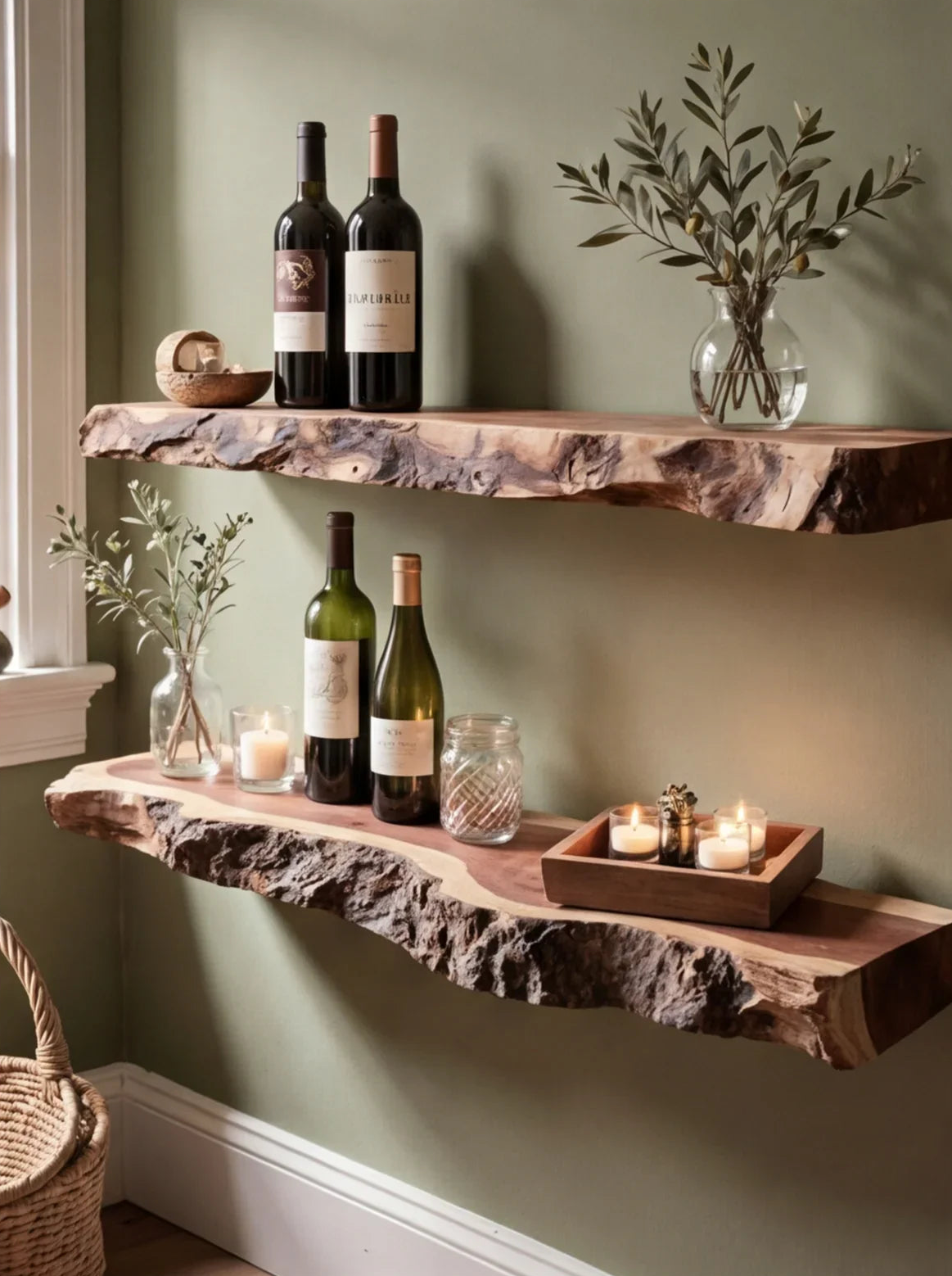
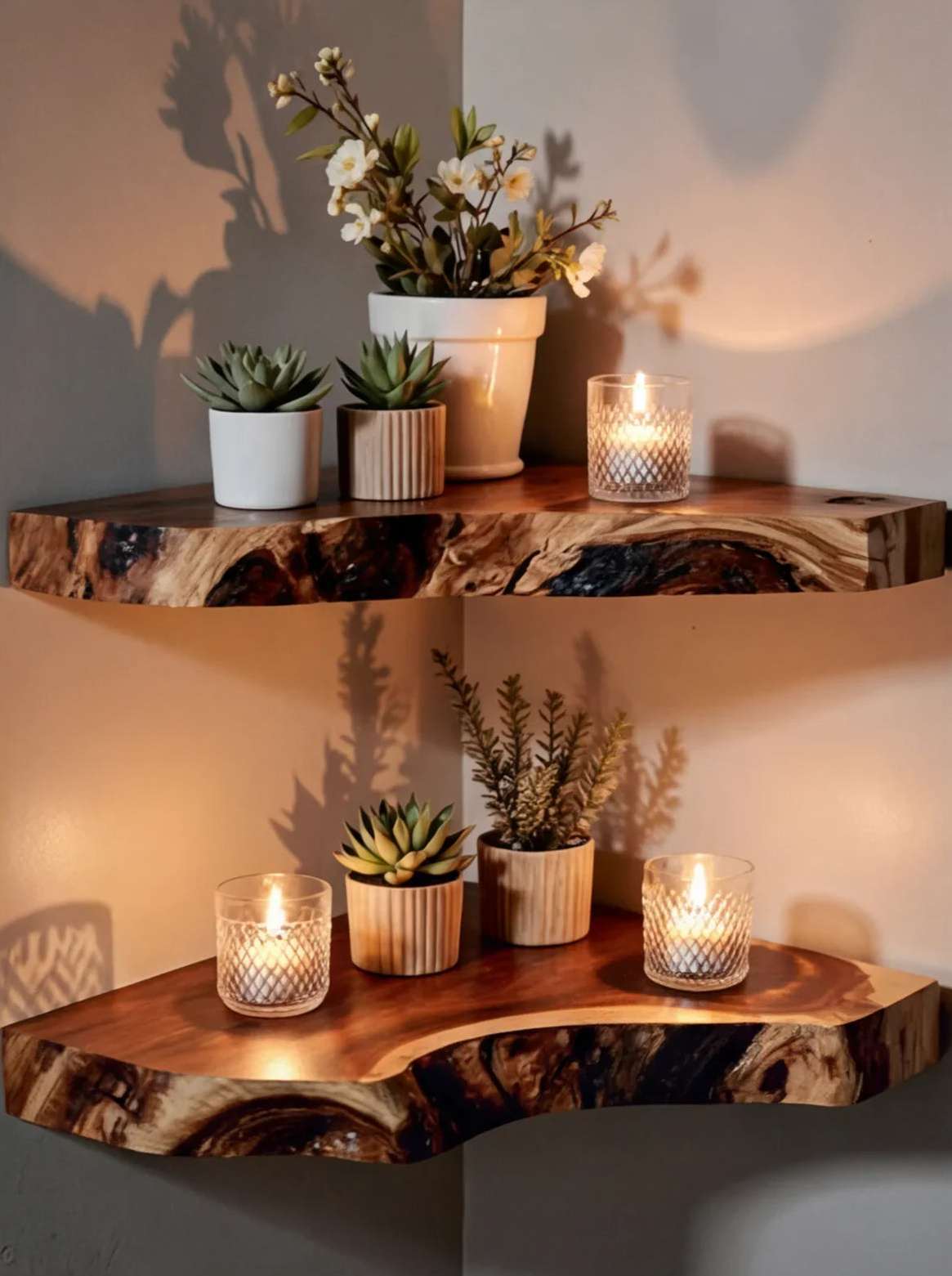
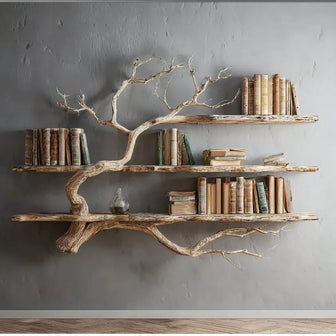
For broader wall-mounted options, Ashdeco's floating shelves, tree bookshelf collection, and corner shelf collection all support this kind of curated display language.
Honest downsides
Display shelves for small collectibles can turn into dust shelves very quickly. Tiny objects collect dust fast, and the more pieces you use, the more maintenance the display needs.
There is also a clutter risk. Small items are harder to edit than large ones because each individual piece feels harmless. Then the shelf fills up and nothing stands out. Sculptural handcrafted shelves also cost more than plain ledges, so they make the most sense when you care about both the object display and the shelf as a visual piece in its own right.
Why handcrafted shelves make small objects look more deliberate
Small collectibles can disappear on generic shelves because the shelf adds nothing to the composition. A handcrafted shelf changes that. It gives the objects a stronger frame, more texture, and a sense that they belong in a designed setting.
That is where Ashdeco's work stands out. The shelves are handcrafted by Vietnamese artisans in solid wood, which gives them more depth than flat mass-produced display shelves. When the objects are small, that stronger backdrop matters even more.
FAQ
What is the best shelf for small collectibles?
The best shelf depends on whether you want one focal object or a small group. Nooks and hollows work well for a single meaningful item, while tiered or wider shelves work better for several objects. The strongest setup is usually the one that gives each item enough space to be noticed.
How do you display collectibles without looking cluttered?
Use fewer objects, vary height and shape, and leave empty space between pieces. That empty space matters as much as the objects themselves. It gives the eye a place to rest and helps each collectible feel more intentional.
Are shelves with nooks better for display?
Often, yes. A nook frames the object and gives it a clearer focal area than a flat open shelf. This works especially well for small ceramics, keepsakes, candles, shells, and tiny objects that can get visually lost on a long shelf.
Should collectibles go on wall shelves or tabletop shelves?
It depends on how often you interact with them. Wall shelves are stronger for display and visual storytelling, while tabletop organizers are better for objects you rotate, handle, or want close at hand. Some collections work best with both.
What kinds of objects look best on sculptural shelves?
Objects with distinct shape and material usually look strongest. Small ceramics, stones, candles, shells, framed mini art, and meaningful keepsakes tend to read well because they have enough visual character to hold their own without needing a lot of quantity.