

Quick view
- Why material matters more in a laundry room than in many other rooms
- What wood, wire, and plastic each do well
- Which material usually works best in humid laundry rooms
- When solid wood is the better choice
- When wire makes more sense
- When plastic is still the practical answer
- Example of where solid wood shelving fits
- What buyers usually get wrong
- Honest downsides
- My recommendation
- FAQ
Shop this guide
Handcrafted Trending, made to order in solid wood.
 Christmas edit
Handcrafted Live Edge Floating Bar Shelf – Rustic Solid Wood Wall Shelf for Kitchen or Bar
From $167.00
Christmas edit
Handcrafted Live Edge Floating Bar Shelf – Rustic Solid Wood Wall Shelf for Kitchen or Bar
From $167.00
 Christmas edit
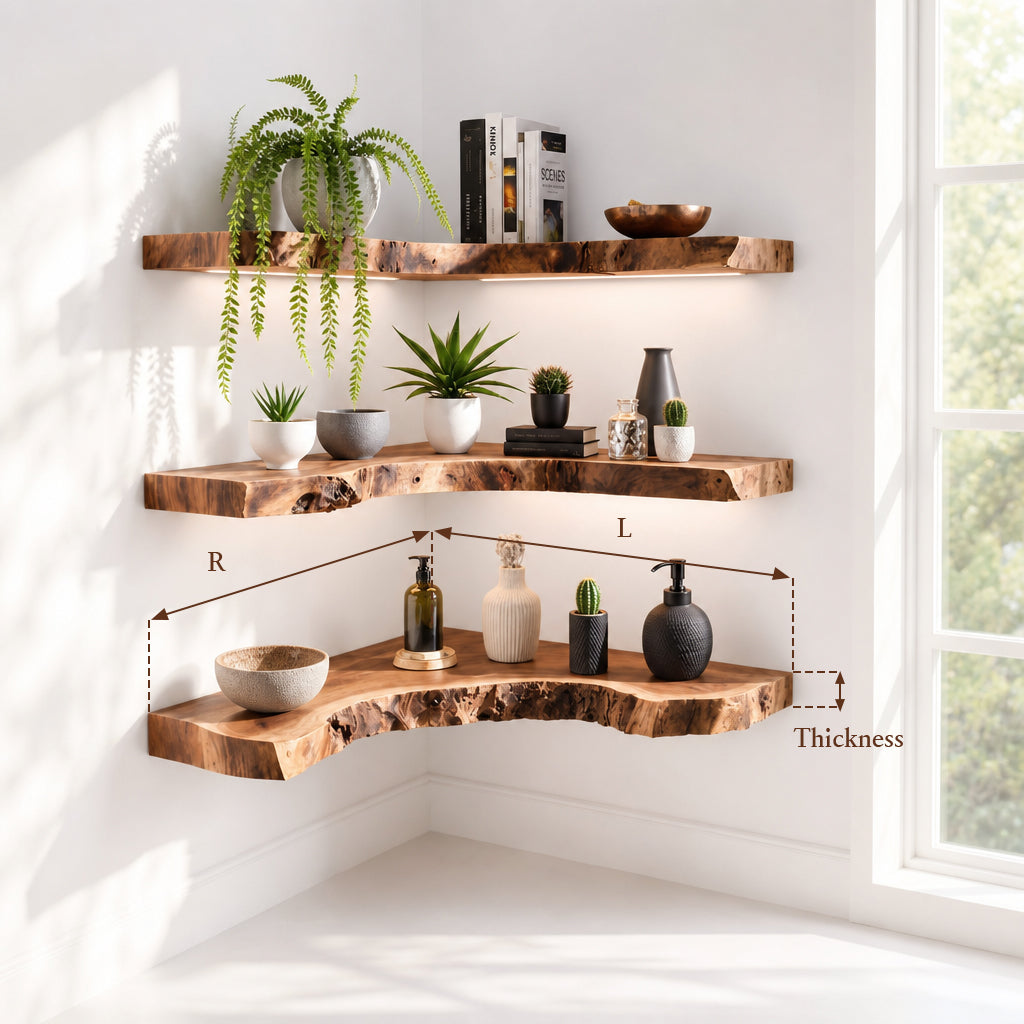
Rustic Corner Wall Shelf – Natural Live Edge Wood Floating Shelf for Candles and Plants
From $176.00
Christmas edit
Rustic Corner Wall Shelf – Natural Live Edge Wood Floating Shelf for Candles and Plants
From $176.00
 Christmas edit
Rustic Live Edge Floating Vanity – Handmade Wooden Bathroom Shelf with Brackets
From $180.00
Christmas edit
Rustic Live Edge Floating Vanity – Handmade Wooden Bathroom Shelf with Brackets
From $180.00
 Christmas edit
Rustic Teak Root Wood Corner Shelf - Floating Corner Shelf Decor
From $176.00
Christmas edit
Rustic Teak Root Wood Corner Shelf - Floating Corner Shelf Decor
From $176.00
 Christmas edit
Live Edge Corner Floating Shelf – Handcrafted Solid Wood Wall Shelf
From $140.00
Christmas edit
Live Edge Corner Floating Shelf – Handcrafted Solid Wood Wall Shelf
From $140.00
 Christmas edit
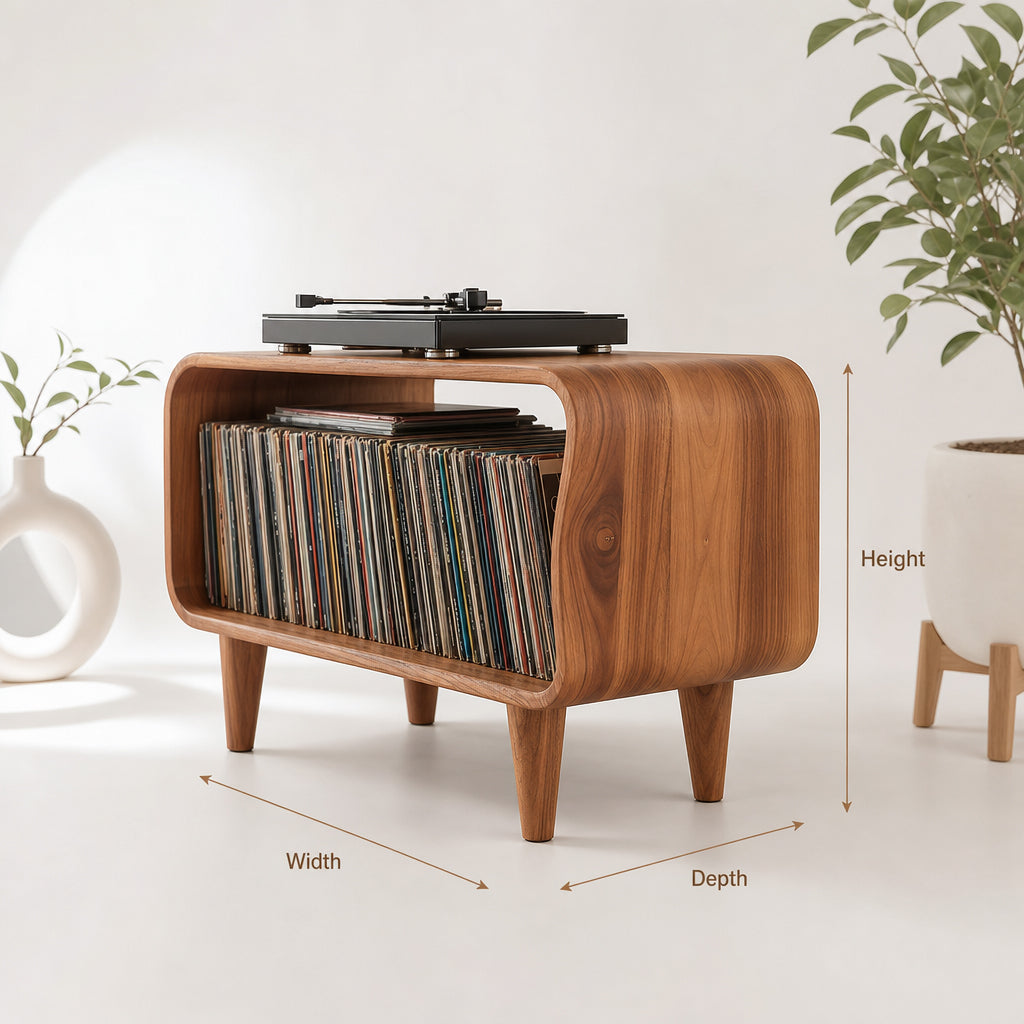
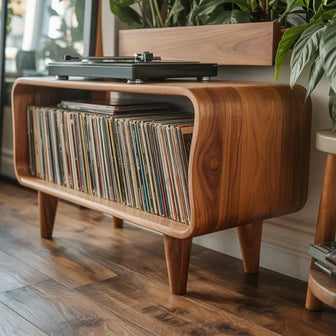
Ashdeco Solid Wood Record Player Stand – Mid-Century Modern Turntable Console
From $1,023.00
Christmas edit
Ashdeco Solid Wood Record Player Stand – Mid-Century Modern Turntable Console
From $1,023.00
Choosing a laundry room organizer is less about style than most buyers think. In a room that deals with humidity, detergent, heat, and constant utility use, the real question is which material will still perform well after months of actual laundry, not just after one clean installation photo.
This guide compares organizer materials based on what matters most in laundry rooms: moisture tolerance, cleaning, durability, and how each option behaves in daily use.
Why material matters more in a laundry room than in many other rooms
Laundry rooms create a different kind of wear than a bedroom or hallway. Humidity shifts, cleaning products, damp fabrics, and constant utility handling all put pressure on storage materials. That is why a laundry organizer should be judged less by trend and more by how the material handles moisture, weight, and mess over time.
A material that looks acceptable in a dry room can fail faster here, especially when storage sits close to machines or damp textiles.
What wood, wire, and plastic each do well
Each material solves a different problem. Wire is airy and easy to see through, which some buyers like for quick access. Plastic is lightweight and cheap, but often feels temporary fast. Solid wood feels more substantial and visually calmer, especially when the laundry room is also a visible part of the home rather than a hidden utility closet.
| Material | Best strength | Main weakness |
|---|---|---|
| Solid wood | Strength, visual warmth, long-term feel | Needs smart placement in damp zones |
| Wire | Airflow and visibility | Can feel exposed and visually busy |
| Plastic | Low cost and low weight | Shorter lifespan and less stable feel |


Which material usually works best in humid laundry rooms
In humid laundry rooms, the best answer often depends on placement, not just material category. Wire can help where airflow matters, but it also leaves everything exposed. Plastic handles moisture easily, yet many setups feel flimsy once baskets and bottles start adding real weight. Solid wood can work very well when it is used for wall shelving, placed thoughtfully, and expected to carry a more controlled storage load.
That is why the real comparison is not just "what survives water." It is what survives humidity while still making the room feel functional and stable.
When solid wood is the better choice
Solid wood is usually the better choice when the laundry room is part of the home's visible living environment and not just a utility closet. It brings more visual order, feels less disposable, and carries everyday items with more confidence than thin plastic systems. The tradeoff is that buyers need to think about placement and avoid treating it like a hose-down garage material.
If you want shelving that feels more like furniture than utility hardware, browse the floating shelves collection and think in terms of controlled storage rather than overload.
Don't miss
These pieces qualify for 10% off orders over $2,000. Applied automatically at checkout.
 10% off
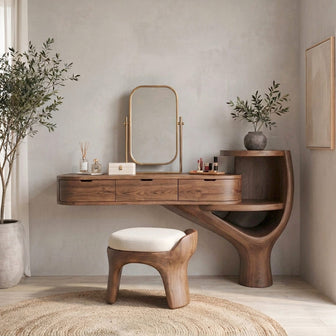
Modern Floating Wooden Vanity – Handmade Rustic Solid Wood Bathroom Cabinet
From $2,090.00
10% off at checkout
10% off
Modern Floating Wooden Vanity – Handmade Rustic Solid Wood Bathroom Cabinet
From $2,090.00
10% off at checkout
 10% off
Solid Wood Turntable Stand – Rustic Record Player Cabinet with Farmhouse Storage
From $2,036.00
10% off at checkout
10% off
Solid Wood Turntable Stand – Rustic Record Player Cabinet with Farmhouse Storage
From $2,036.00
10% off at checkout
 10% off
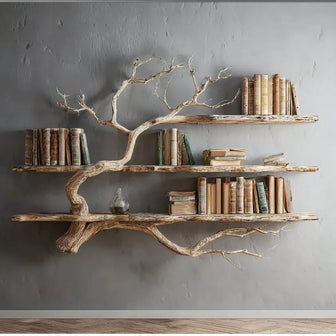
Tree Bookshelf – Rustic Wooden Book Tree Shelf, Wall-Mounted Natural Wood Décor
$2,099.00
10% off at checkout
10% off
Tree Bookshelf – Rustic Wooden Book Tree Shelf, Wall-Mounted Natural Wood Décor
$2,099.00
10% off at checkout
 10% off
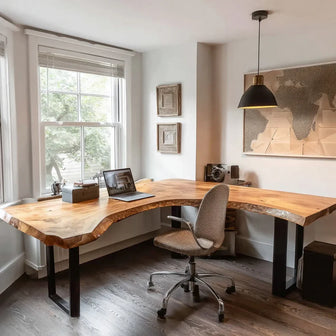
Live Edge L-Shaped Desk – Handmade Solid Wood Corner Desk for Home Office
From $2,340.00
10% off at checkout
10% off
Live Edge L-Shaped Desk – Handmade Solid Wood Corner Desk for Home Office
From $2,340.00
10% off at checkout
When wire makes more sense
Wire works better when you care most about airflow and quick visibility. It is useful for supplies, baskets, or rooms where you want to avoid a dense visual block. The downside is that wire systems can make laundry rooms feel busier because every object stays visible and the shelf structure itself adds visual texture.
This is not automatically bad. It just fits utility-first rooms better than calm, styled ones.
When plastic is still the practical answer
Plastic is still practical when budget is tight, the storage needs are temporary, or the room is purely functional and hidden from view. It also works for bins and modular inserts where weight stays low. The problem starts when buyers expect plastic to feel permanent, sturdy, and visually cohesive at the same time. It rarely excels at all three.
In other words, plastic solves affordability well. It does not usually solve longevity or room quality.
Example of where solid wood shelving fits
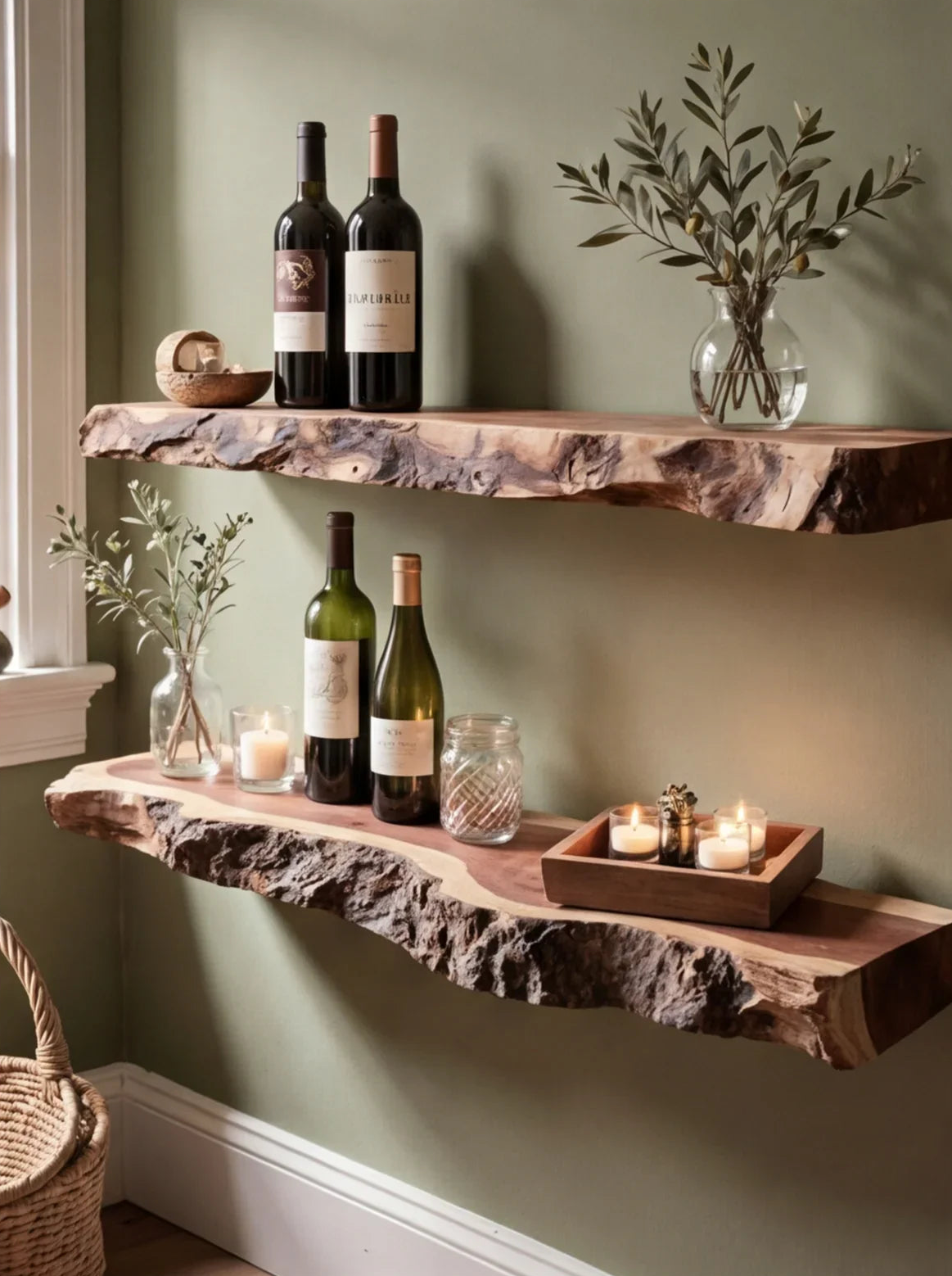
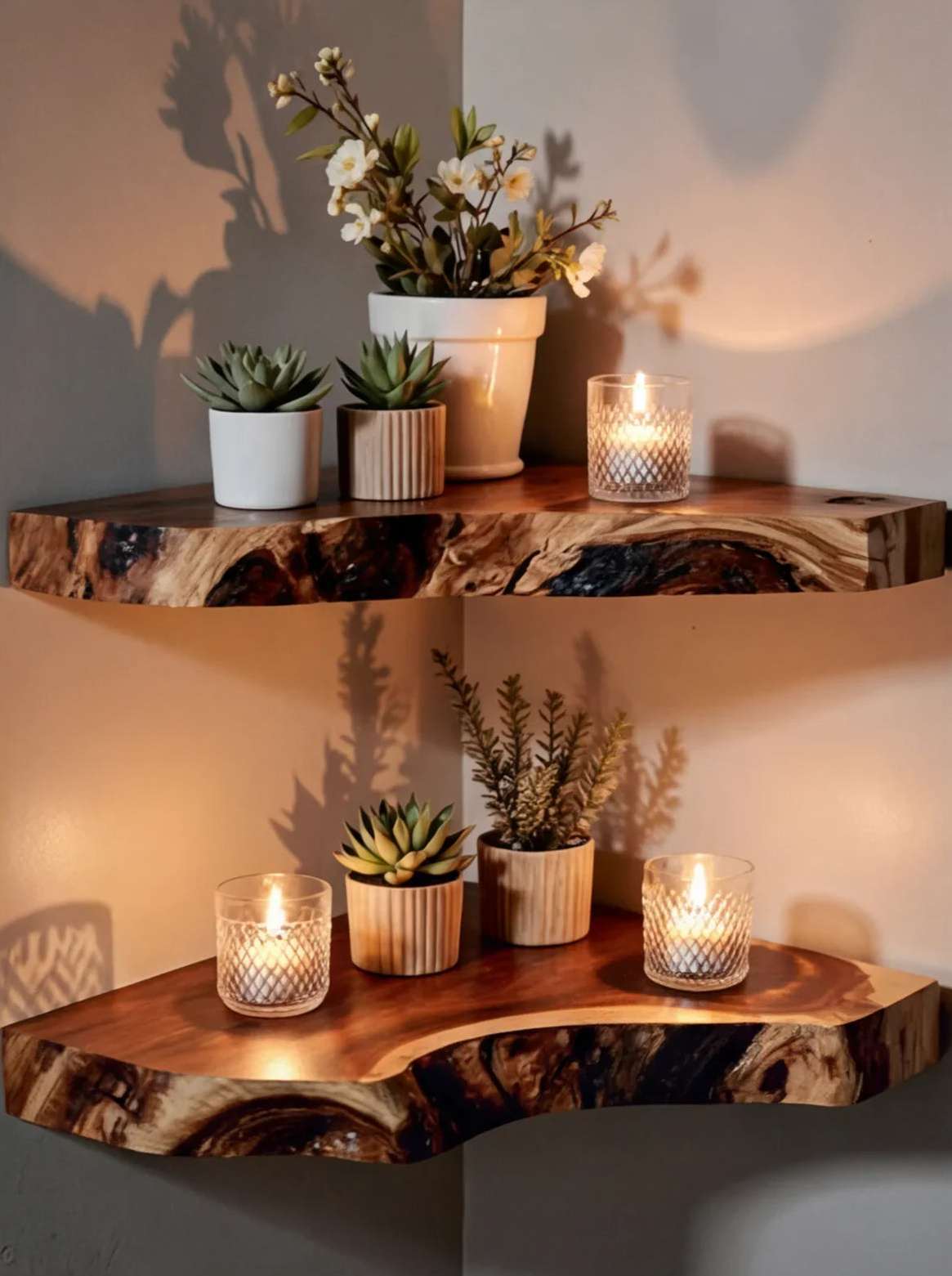
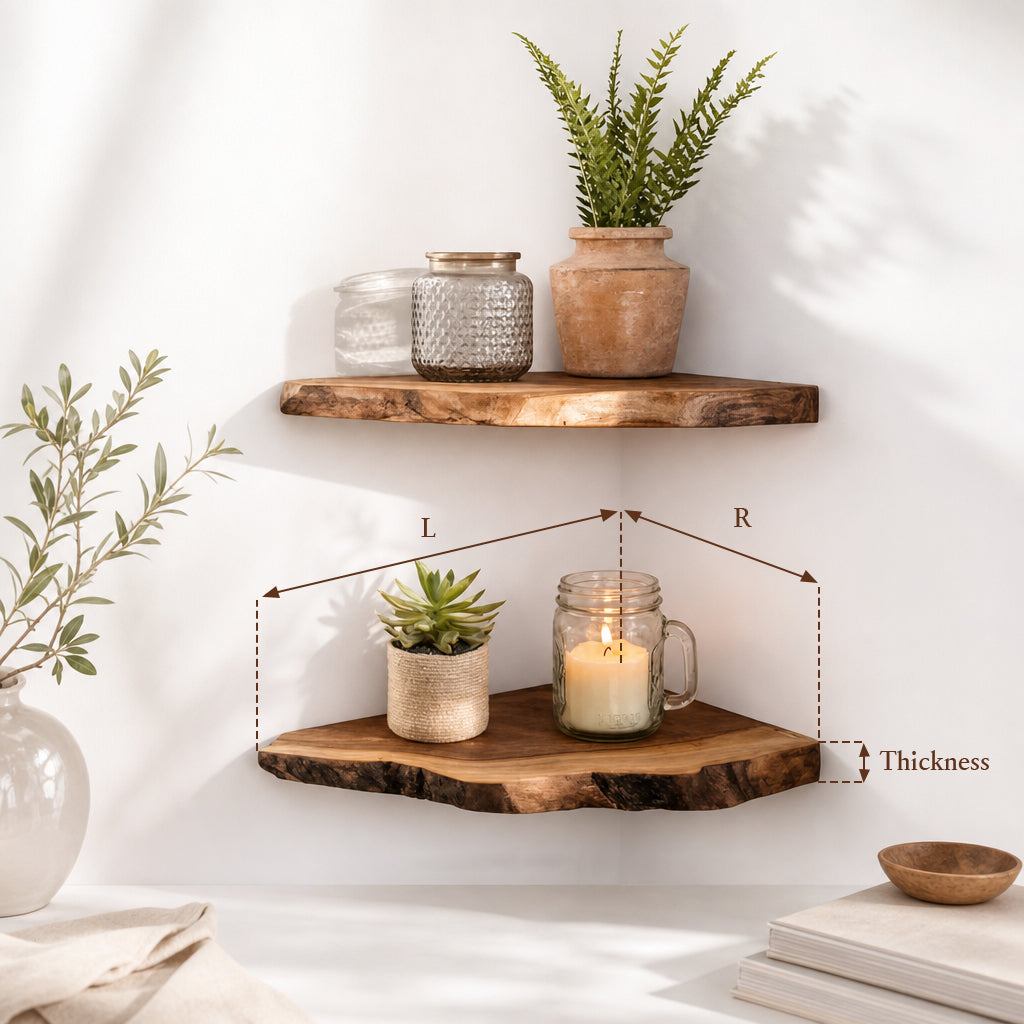
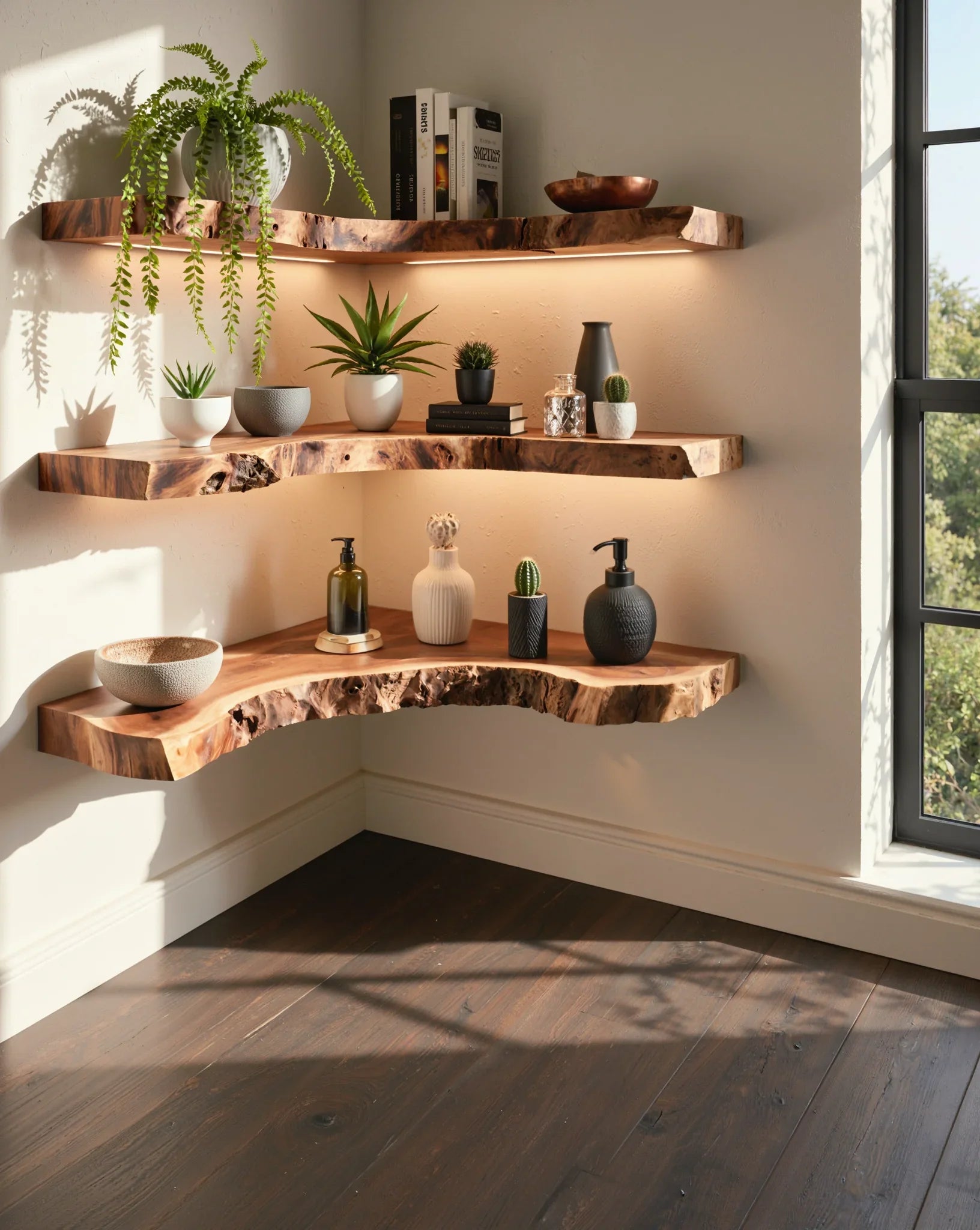
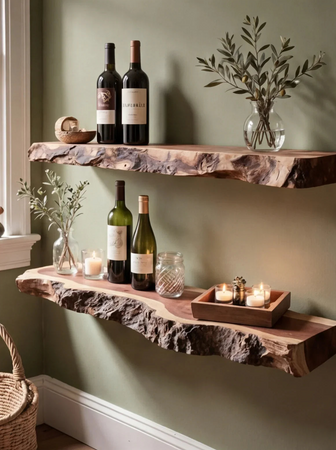
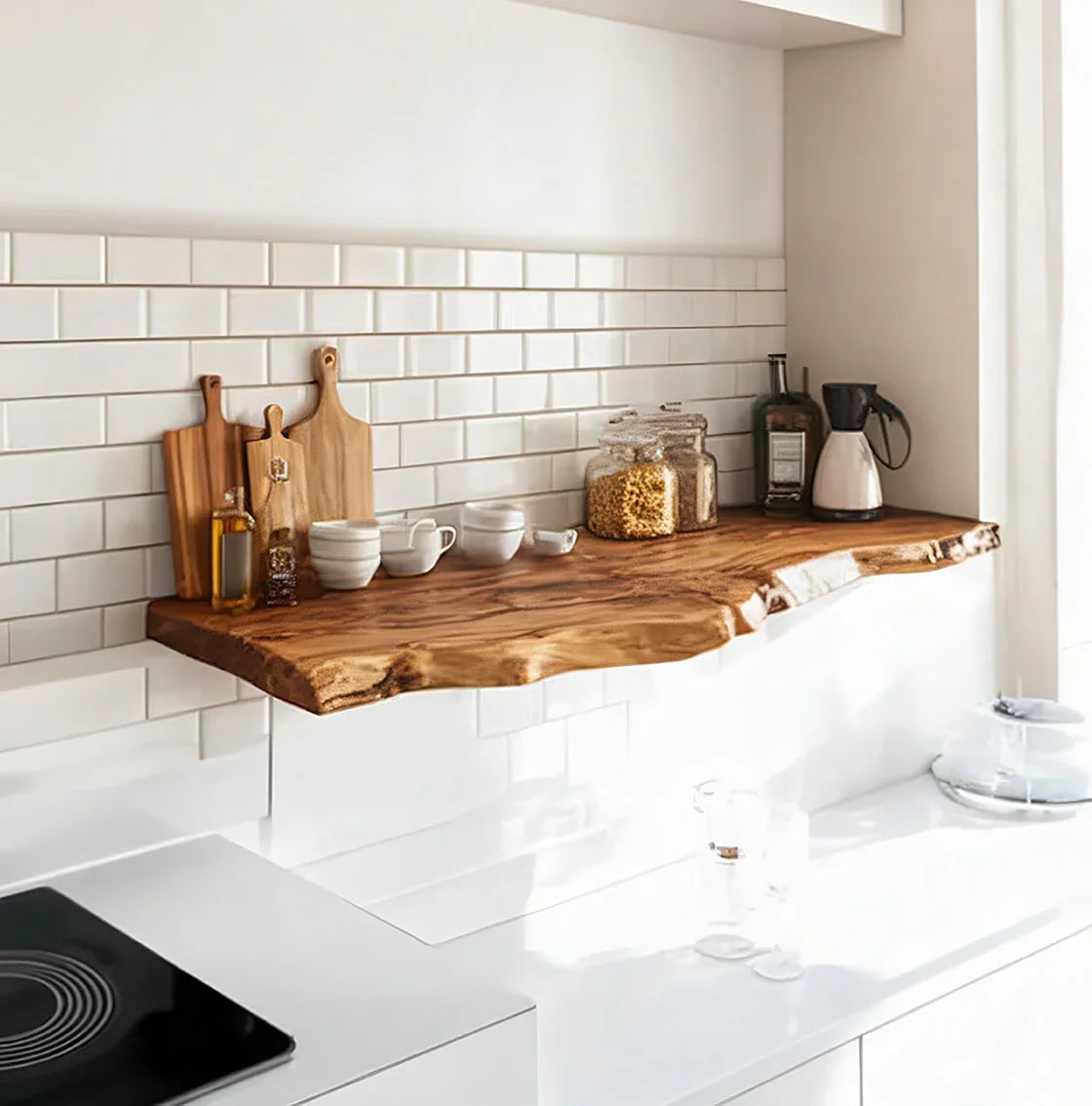
A handcrafted wall shelf can make sense in a laundry room that needs visible storage for detergents, folded towels, jars, or baskets, especially when the room opens into another finished area of the home. The point is not to replicate industrial storage. The point is to create a cleaner, more intentional utility zone.

If the room also needs hidden storage or a stronger utility look, you may still combine wood shelves with baskets or more utilitarian lower storage pieces.
What buyers usually get wrong
The biggest mistake is choosing only by moisture fear and ignoring how the room actually looks and functions. Buyers assume plastic automatically wins because it tolerates damp conditions, but then they dislike how temporary the room feels. Others choose a prettier material without thinking about ventilation, placement, or load.
The better move is to match material to zone. Airy storage where exposure is fine. More substantial shelving where the room needs order and structure.
Honest downsides
No single material wins every category. Solid wood looks and feels better in many finished laundry rooms, but it needs smarter use around moisture. Wire gives airflow but can look visually noisy. Plastic is affordable and forgiving, yet often feels less durable and less settled over time.
That means the right answer is usually a priority call. Durability and room quality, or low cost and easy replacement.
My recommendation
If the laundry room is visible and part of the home's finished design, lean toward solid wood shelving for the main visual storage and use baskets where needed. If the room is pure utility, wire or plastic may be perfectly fine. Just be honest about whether you want the room to feel temporary or integrated.
That is the real difference. Not just moisture resistance. Long-term room quality.
FAQ
What is the best material for a humid laundry room organizer?
There is no one-size answer, but wire and plastic handle moisture more casually, while solid wood works well when placed thoughtfully and used in a more controlled storage setup.
Is wood a bad idea in a laundry room?
Not at all. It can be a strong choice, especially for wall shelving in finished laundry rooms. The key is smart placement and realistic expectations about moisture exposure.
Why do wire shelves feel messy sometimes?
Because everything stays visible. The shelf structure also adds visual texture, which can make already busy utility rooms feel more cluttered.
When is plastic the better choice?
Plastic works best for budget setups, temporary storage, or hidden utility rooms where appearance matters less than affordability and ease.
Should I mix materials in a laundry room?
Yes, often that is the best approach. For example, a more substantial main shelf material can work well with baskets or lighter secondary organizers depending on the zone.