



Quick view
Shop this guide
Handcrafted Trending, made to order in solid wood.
 Christmas edit
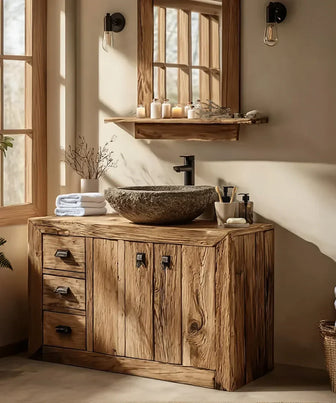
Rustic Live Edge Floating Vanity – Handmade Wooden Bathroom Shelf with Brackets
From $139.80
 Christmas edit
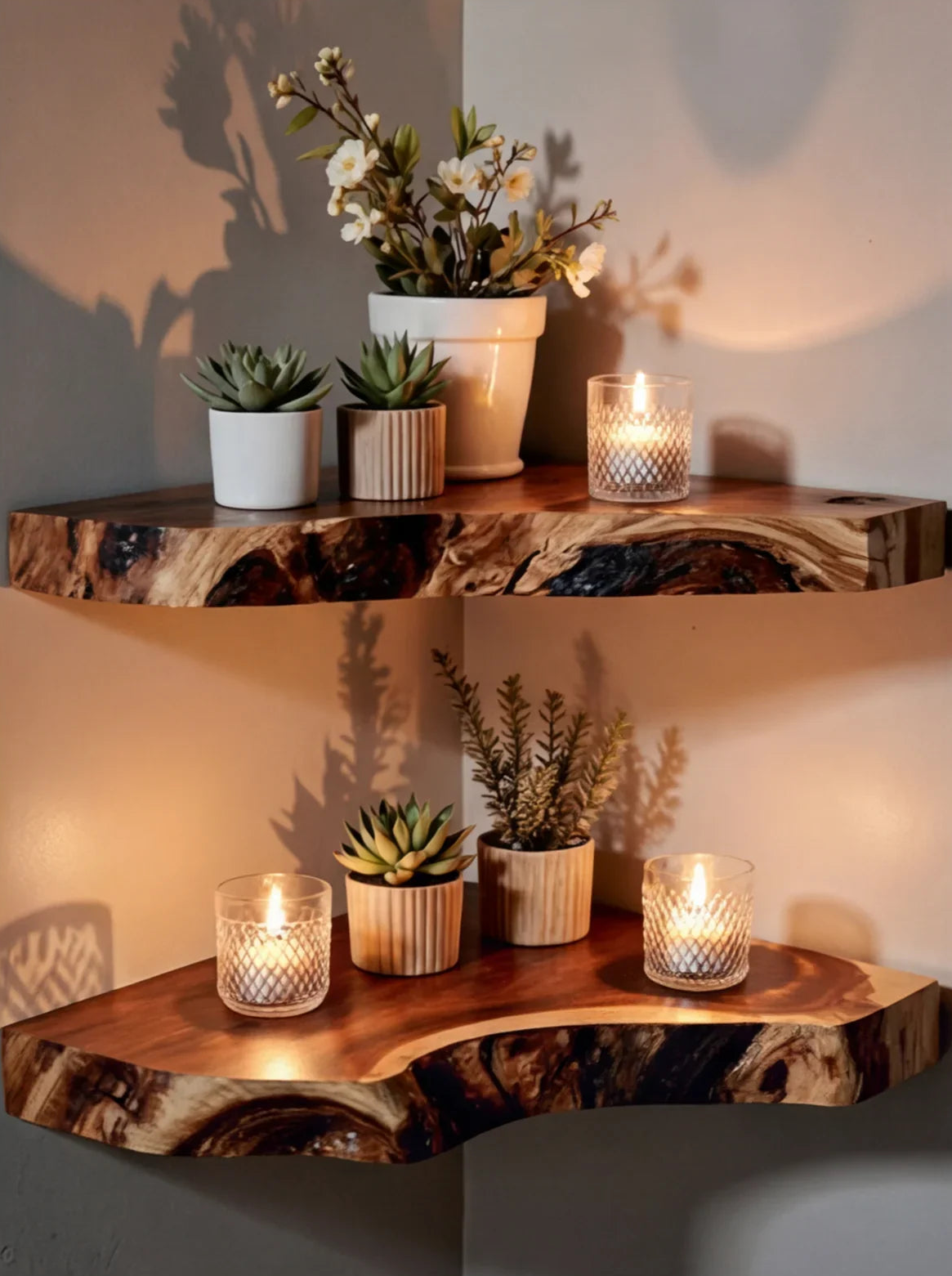
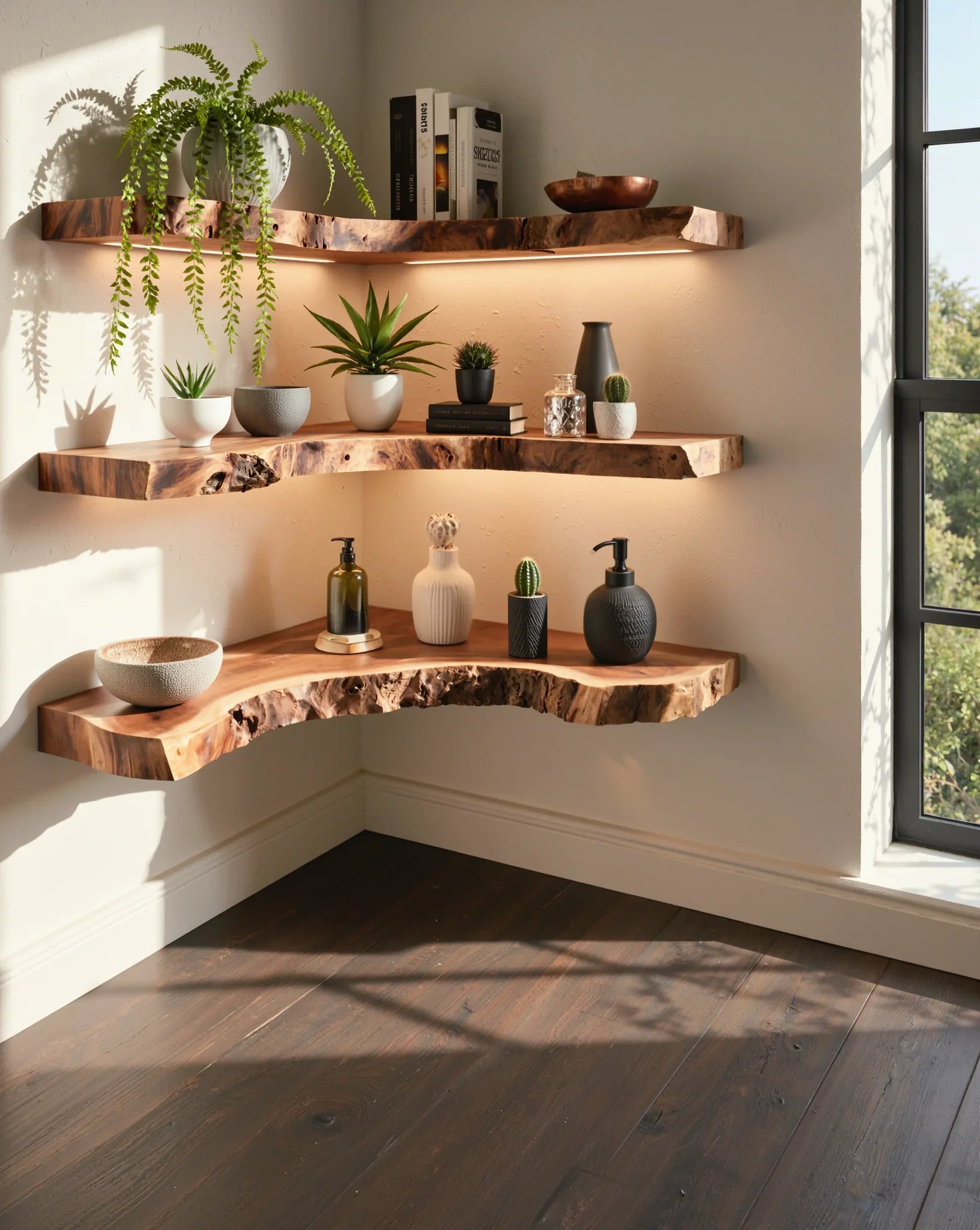
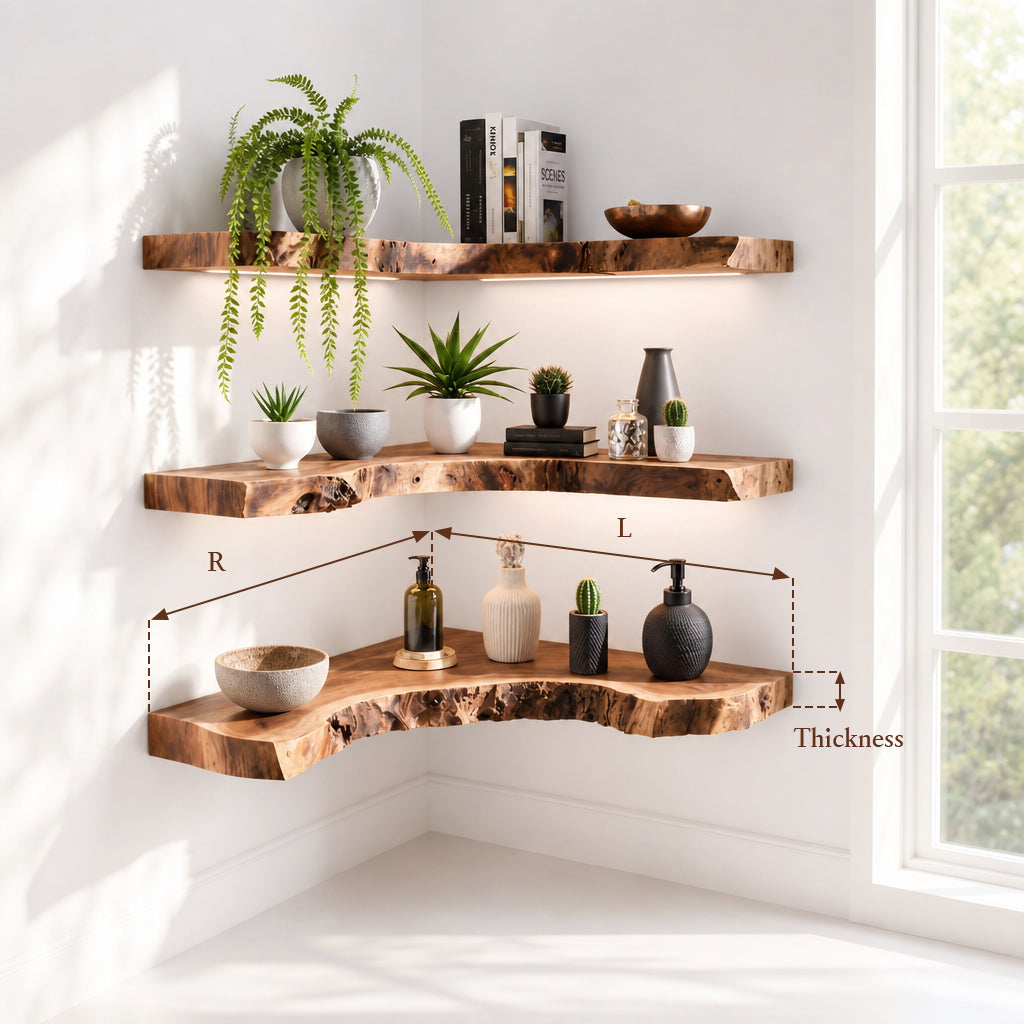
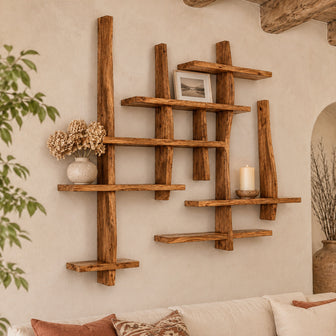
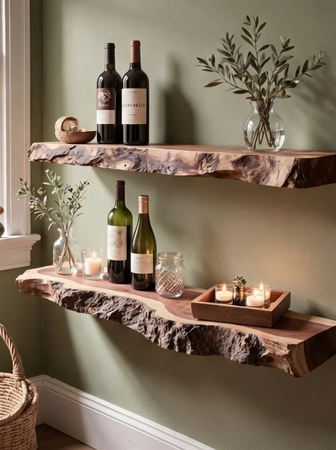
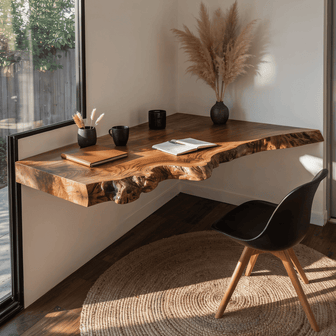
Rustic Corner Wall Shelf – Natural Live Edge Wood Floating Shelf for Candles and Plants
From $176.00
 Christmas edit
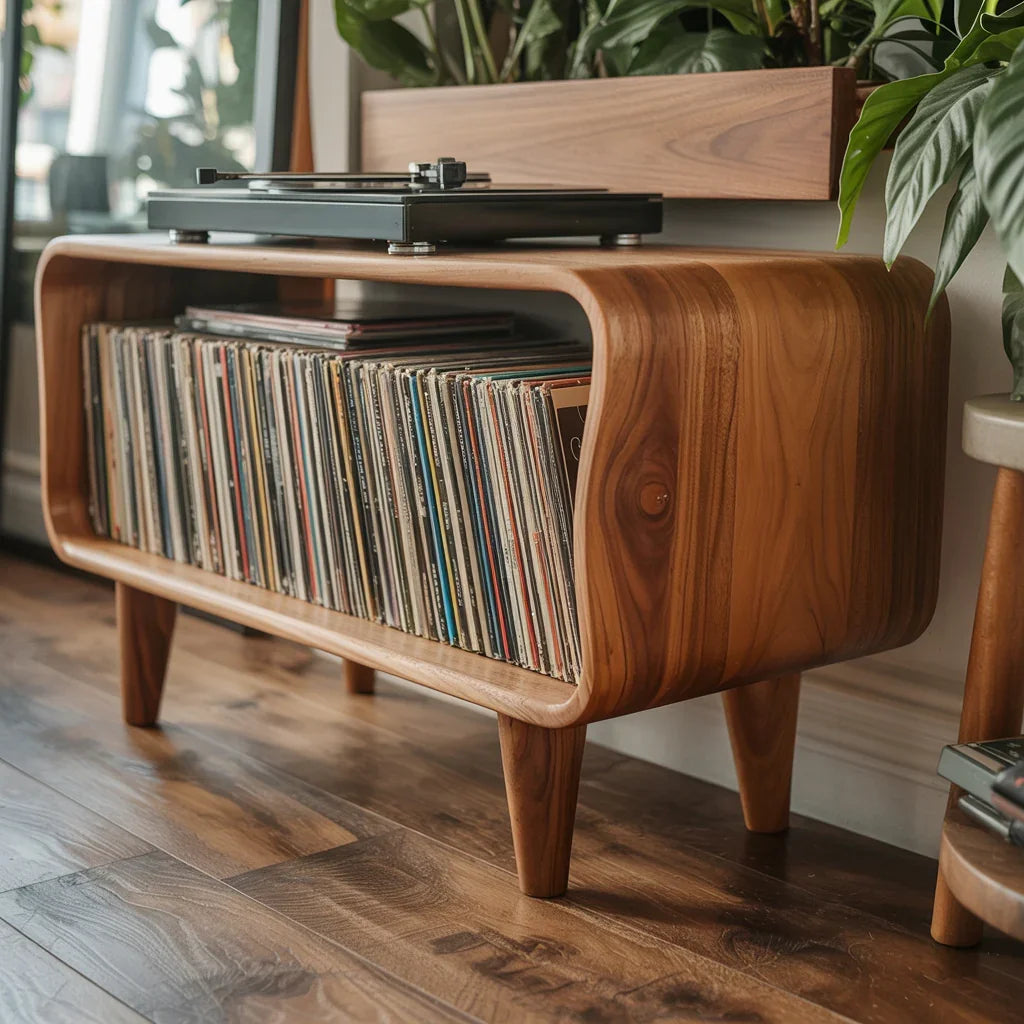
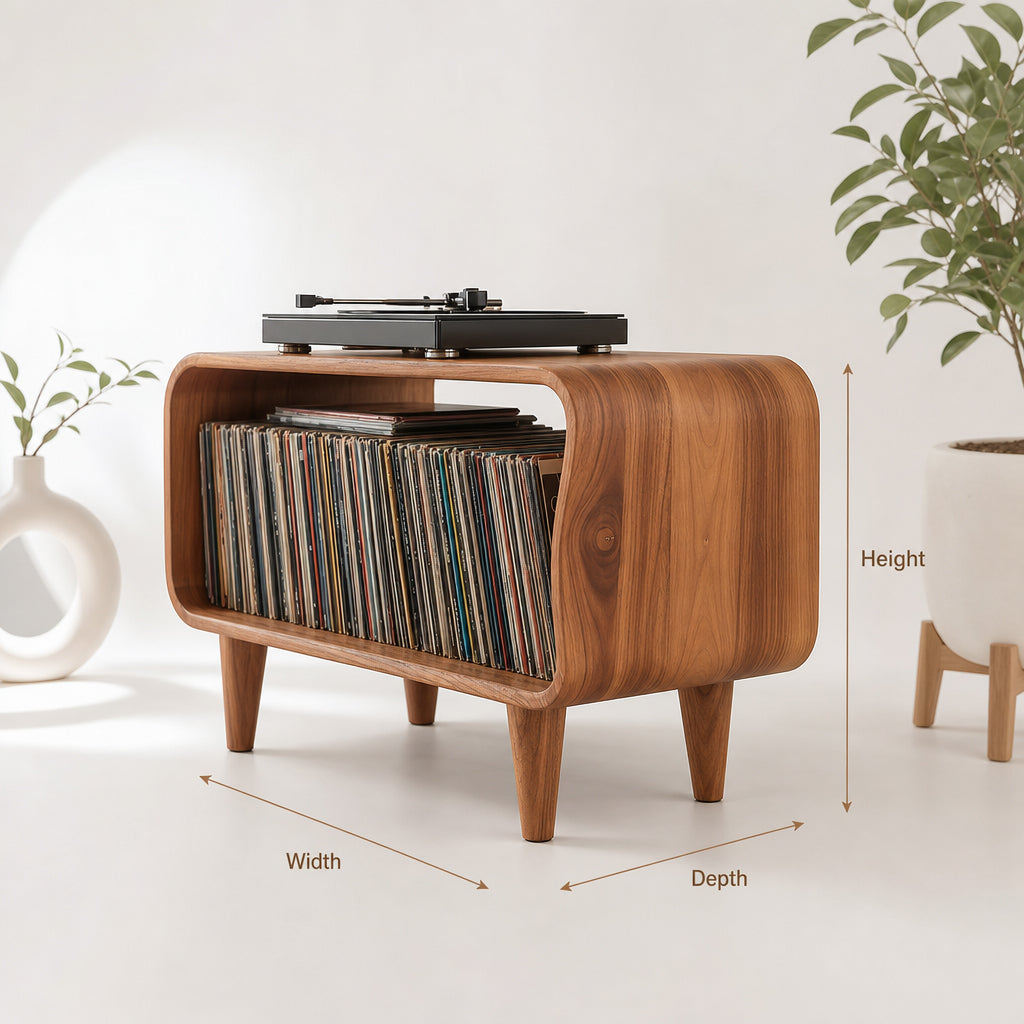
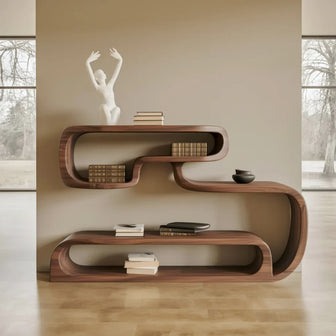
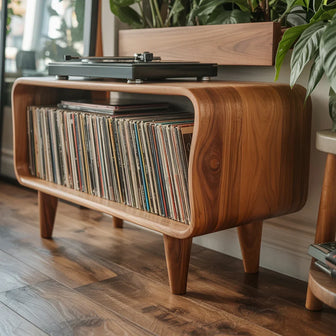
Ashdeco Solid Wood Record Player Stand – Mid-Century Modern Turntable Console
From $1,023.00
 Christmas edit
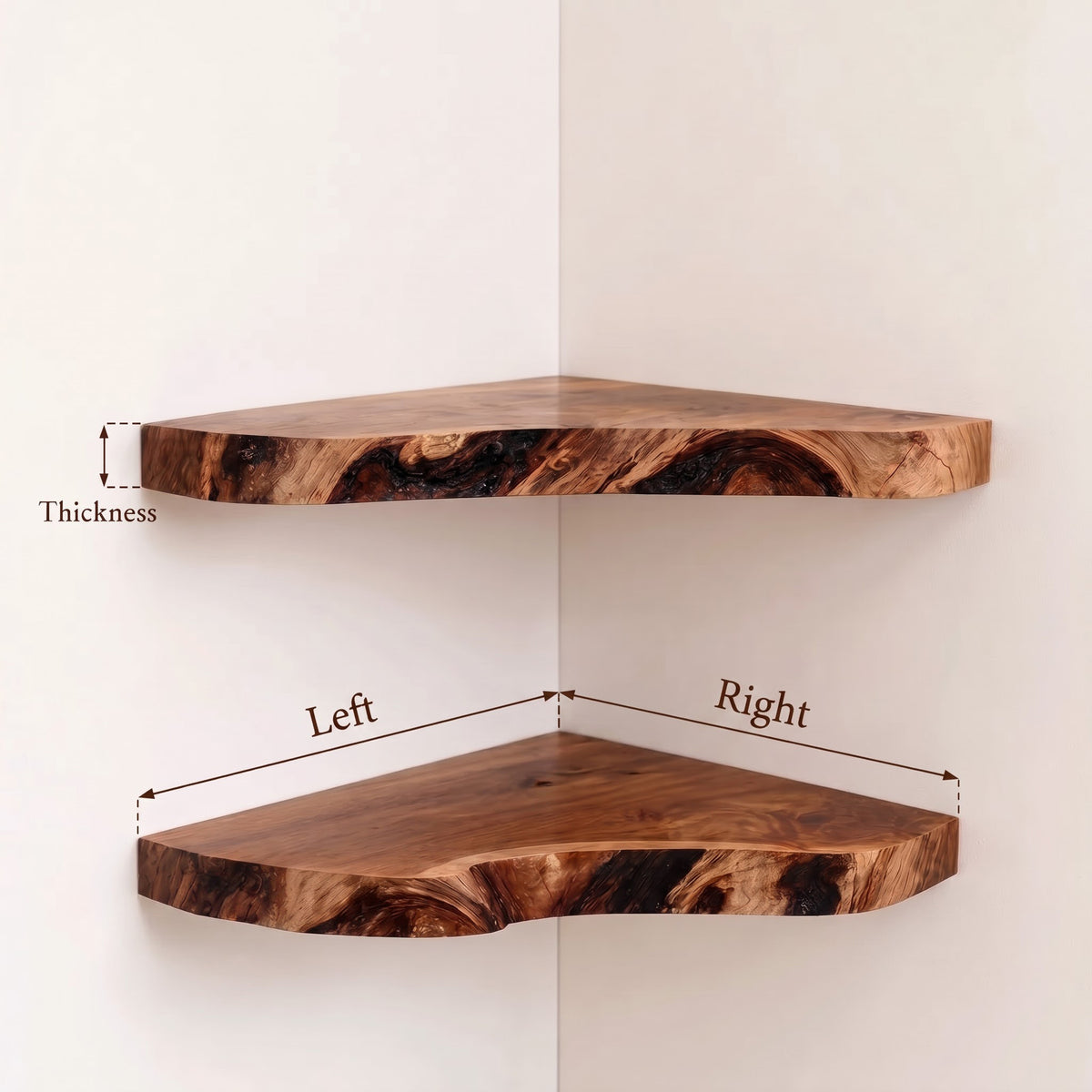
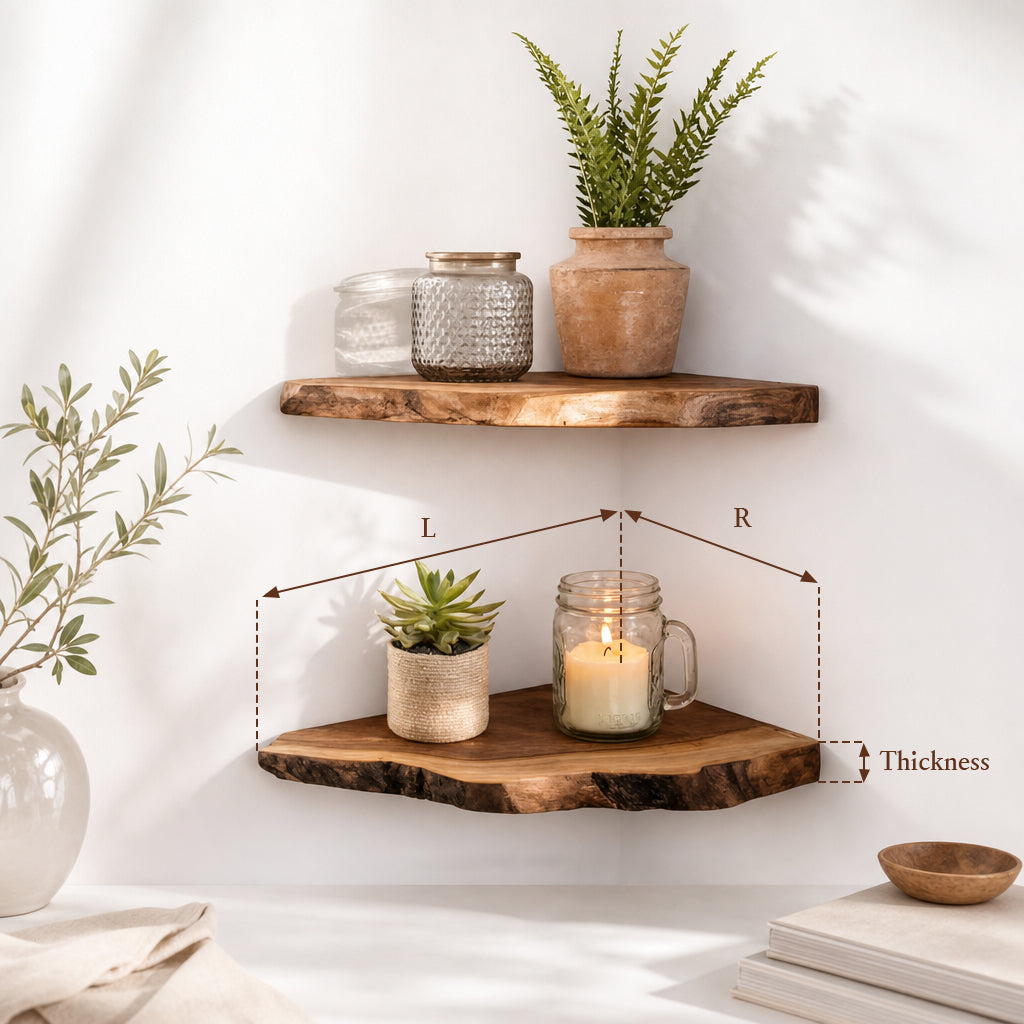
Live Edge Corner Floating Shelf – Handcrafted Solid Wood Wall Shelf
From $140.00
 Christmas edit
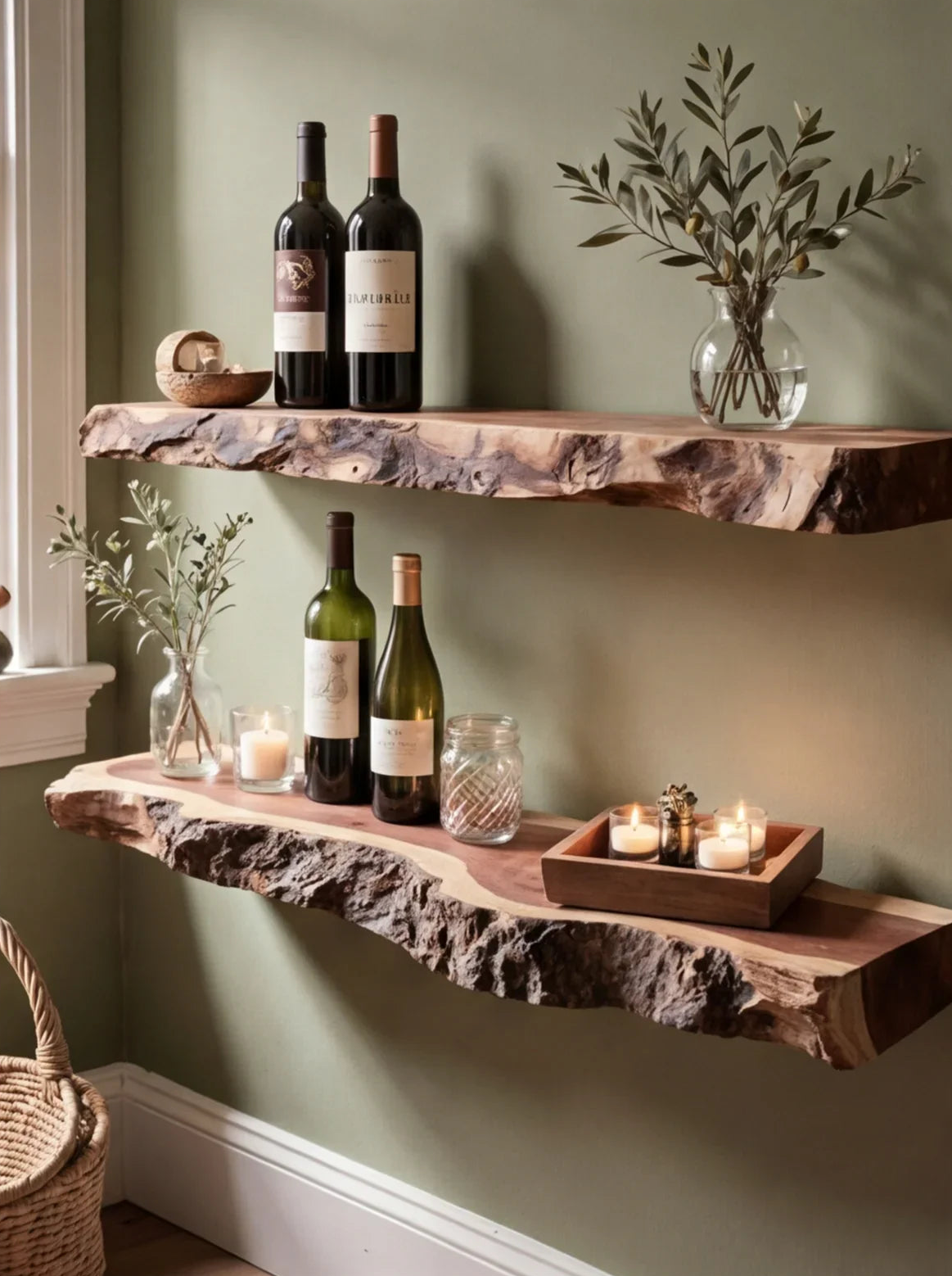
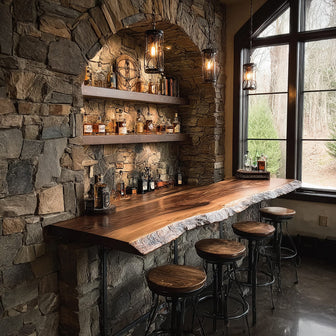
Handcrafted Live Edge Floating Bar Shelf – Rustic Solid Wood Wall Shelf for Kitchen or Bar
From $167.00
 Christmas edit
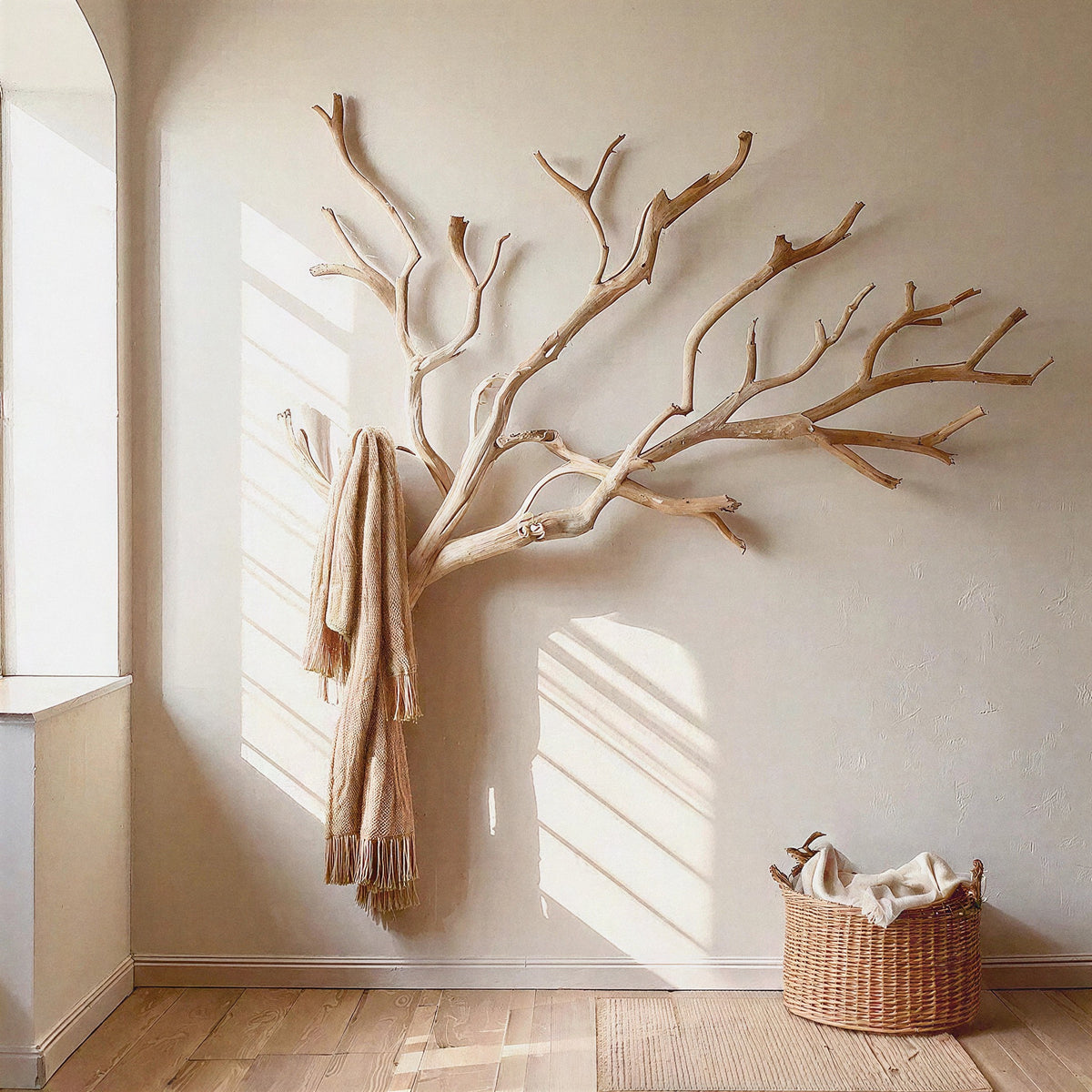
Rustic Teak Root Wood Corner Shelf - Floating Corner Shelf Decor
From $176.00
A dog bowl stand does more than hold food and water bowls. It creates a dedicated feeding area, keeps bowls organized, and can complement the furniture and decor in your home. From simple raised platforms to sculptural solid wood designs, dog bowl stands come in a variety of shapes, materials, sizes, and bowl configurations.
Choosing the right one means looking beyond appearance. Bowl compatibility, stability, ease of cleaning, dimensions, and your dog's individual feeding needs all matter. This guide covers what to consider before buying a dog bowl stand and explores handcrafted wooden designs that combine practical feeding setups with distinctive furniture-like forms.

What Is a Dog Bowl Stand?
A dog bowl stand is a structure designed to hold one or more feeding bowls in a fixed position. Depending on the design, it may feature a simple platform with bowl openings, a frame supporting removable bowls, or a sculptural wooden base that makes the feeding station part of the room's decor.
Unlike individual bowls placed directly on the floor, a dog bowl stand keeps the dishes together in a defined space. Some designs accommodate food and water side by side, while others feature a single bowl opening for a more compact feeding arrangement.
Materials and construction also vary. Metal frames, plastic platforms, bamboo structures, and solid wood stands each offer different appearances, maintenance requirements, and design possibilities.

Are Elevated Dog Bowls Right for Every Dog?
Elevated dog bowls are not a universal requirement. Many dogs are comfortable eating from bowls placed directly on the floor, while some may need a different feeding arrangement based on mobility, posture, or individual medical needs.
A raised feeder changes the position of the bowl, but it should not automatically be considered a health improvement for every dog. If your dog has a swallowing difficulty, mobility limitation, neck condition, or another medical concern, ask your veterinarian whether an elevated feeding position is appropriate.
For households choosing a dog bowl stand primarily for organization, aesthetics, or convenience, the main considerations are the stand's dimensions, bowl configuration, stability, and ease of maintenance.


What to Consider When Choosing a Dog Bowl Stand
1. Bowl Size and Compatibility
Start by checking the dimensions of the bowl openings and the bowls themselves. A stand may look suitable in photos but accommodate bowls that are too shallow, too narrow, or difficult to remove for cleaning.
Before purchasing, check:
- The diameter and depth of each bowl opening.
- Whether the bowls are included with the stand.
- Whether replacement bowls are available in the correct dimensions.
- How easily the bowls can be lifted out and returned to their openings.
- Whether the bowl configuration suits your dog's food and water setup.
Stainless steel bowls are commonly used in feeding stations because they are removable and straightforward to wash. However, bowl material, shape, and compatibility should be checked for the specific product rather than assumed.
2. Fixed or Adjustable Design
Some dog bowl stands have a fixed structure, while others allow the feeding height to be adjusted. Fixed designs offer a more straightforward construction and often create a cleaner furniture-like silhouette. Adjustable stands provide flexibility when the feeding setup needs to change.
Consider whether you need an adjustable design or whether a fixed stand with the appropriate dimensions will suit your space and feeding routine.
3. Stability and Construction
A feeding stand should sit securely on the floor without wobbling during normal use. Look at the base, leg structure, proportions, and overall construction rather than judging stability by appearance alone.
For wooden dog bowl stands, the relationship between the top platform and supporting legs is especially important. A broad base, substantial supports, and a well-balanced structure can help the stand feel grounded in its intended position.
Also consider the stand's footprint. A larger double-bowl design may need more floor space than a compact single-bowl model.
4. Material and Maintenance
The material affects the appearance of the feeding station, its weight, and the way you maintain it.
- Solid wood: Offers natural grain, varied tones, and furniture-like character. Wipe up water and food spills promptly, and follow the manufacturer's care instructions.
- Metal: Often used in minimalist frames and adjustable feeding stations. Check the finish, bowl support, and construction details.
- Plastic: Lightweight and available in different colors and shapes. Inspect the surface and construction for everyday usability.
- Bamboo: Provides a distinctive natural appearance. Check the finish, joints, and maintenance instructions before buying.
For a feeding station that doubles as a decorative furniture piece, solid wood offers a particularly broad range of design possibilities, from simple rectangular platforms to carved bases, flowing curves, and natural slab edges.
5. Single-Bowl or Double-Bowl Stand
The bowl configuration should match how you organize your dog's feeding area.
Single-bowl stands work well for a compact setup or when you want to keep food and water in separate locations. They also allow the stand itself to become a smaller design feature within the room.
Double-bowl stands place two bowls in one structure, commonly used for food and water. They create a coordinated feeding station and keep both dishes in a designated location.
Neither configuration is automatically better. Choose according to your available space, feeding routine, and the bowls you actually use.

Dog Bowl Stand vs. Floor Bowls
Both raised stands and individual floor bowls can serve as feeding setups. The differences are mainly in organization, design, footprint, and the way each arrangement fits into your home.
| Feature | Dog Bowl Stand | Floor Bowls |
|---|---|---|
| Organization | Holds bowls in a designated structure | Individual bowls can be placed separately |
| Appearance | Available in furniture-inspired and decorative designs | Simple, minimal, and easy to reposition |
| Space | Requires space for the stand's footprint | Can be arranged in smaller or separate areas |
| Cleaning | Bowls are removable; the stand also needs care | Bowl and surrounding floor can be cleaned separately |
| Flexibility | Depends on fixed or adjustable construction | Easy to move or change bowl placement |
| Design options | Wooden, sculptural, metal, traditional, and more | Wide variety of individual bowl styles |
If you want a coordinated feeding station that feels like part of your home's interior, a dog bowl stand offers more opportunities to integrate materials, shape, and design into the space. If flexibility and simplicity are your priorities, individual bowls may be all you need.
Don't miss
These pieces qualify for 10% off orders over $2,000. Applied automatically at checkout.
 10% off
Tree Bookshelf – Rustic Wooden Book Tree Shelf, Wall-Mounted Natural Wood Décor
$2,449.00
10% off at checkout
 10% off
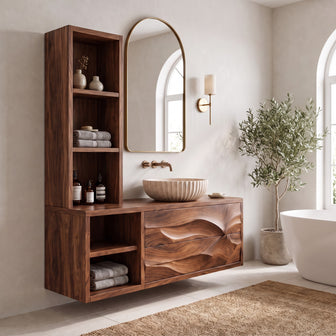
Modern Floating Wooden Vanity – Handmade Rustic Solid Wood Bathroom Cabinet
From $2,090.00
10% off at checkout
 10% off
Live Edge L-Shaped Desk – Handmade Solid Wood Corner Desk for Home Office
From $2,340.00
10% off at checkout
 10% off
Solid Wood Turntable Stand – Rustic Record Player Cabinet with Farmhouse Storage
From $2,036.00
10% off at checkout
Wooden Dog Bowl Stand Designs from Ashdeco
Ashdeco's wooden dog bowl stands bring together functional bowl openings and distinctive solid wood forms. Rather than treating every feeder as the same basic platform, the collection includes sculptural silhouettes, natural slab edges, decorative structures, and compact designs.
Here are several designs worth exploring based on their visual style and structure.
Sculptural Dog Bowl Stands
For a feeding station that feels more like a furniture piece, sculptural stands use curved profiles, carved supports, and distinctive shapes to create a stronger visual presence.
- Sculpted Solid Wood Dog Bowl Stand with Wide Slab Top and Carved Trunk – A wide slab top paired with a carved trunk-style base, creating a substantial sculptural silhouette.

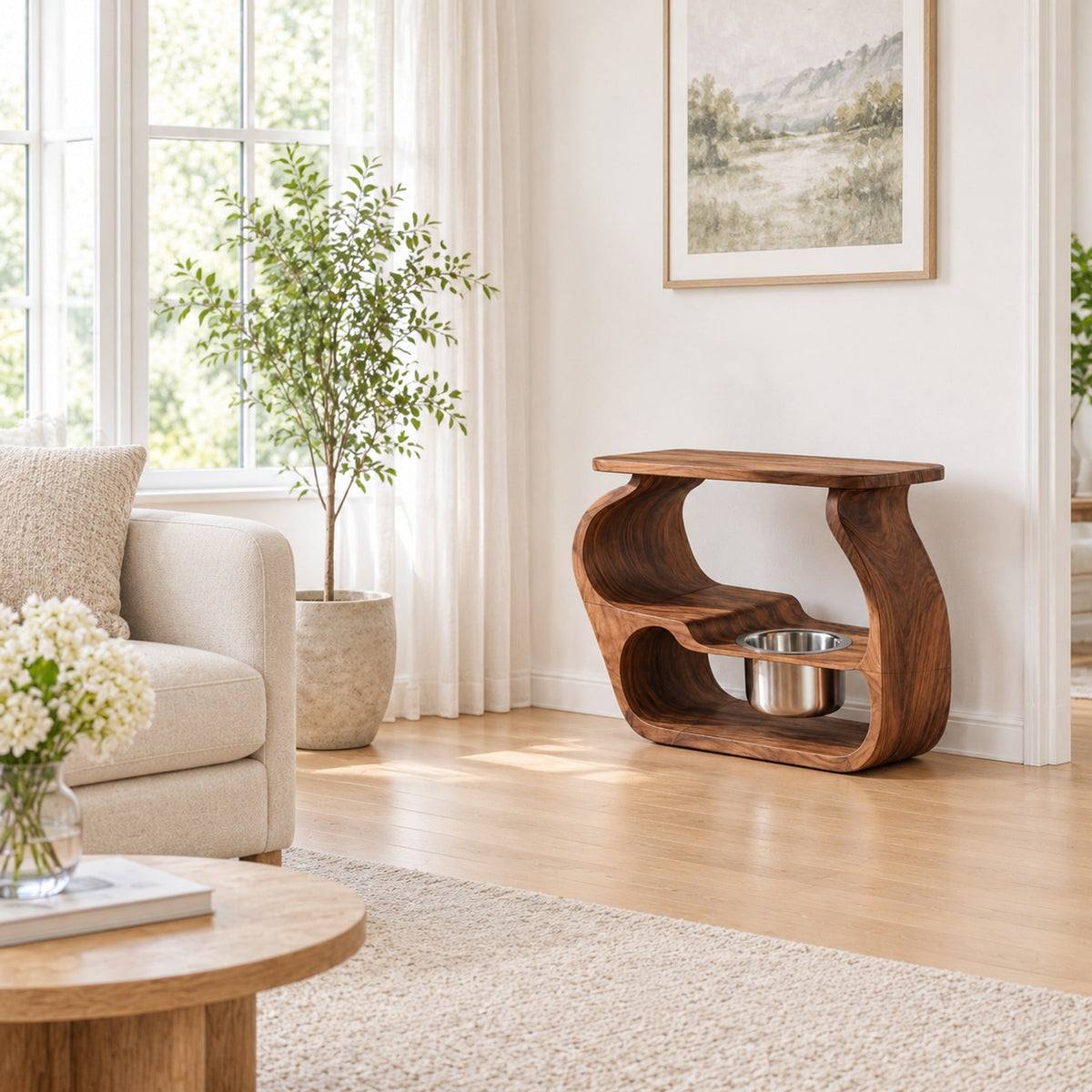
- Sculptural Dog Feeder with Wavy Mid Shelf and Curved Sides – Features flowing side forms and a layered structure for a more architectural appearance.

Sculptural Dog Feeder with Wavy Mid Shelf and Curved Sides - $2,550
- Sculptural S-Curve Dog Bowl Stand with Round Ring Base – An S-shaped profile and circular base create a distinctive decorative form.

Sculptural S-Curve Dog Bowl Stand with Round Ring Base - $1,347
Live-Edge Dog Bowl Stands
Live-edge designs preserve the natural outline of the wood, allowing the top to have an organic shape rather than a perfectly uniform edge. Grain patterns, knots, and variations in the slab give each piece its own character.
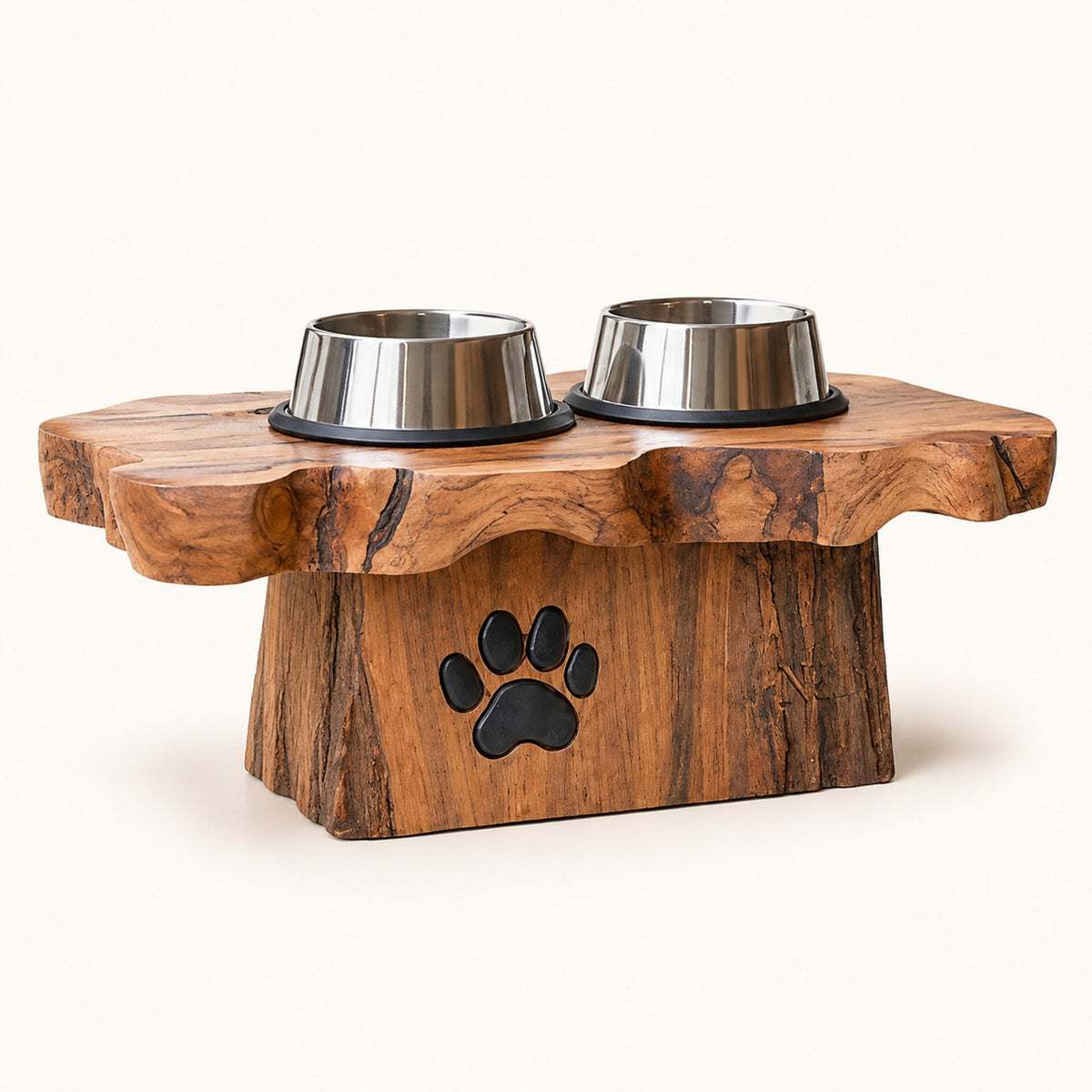
- Live Edge Top Dog Feeder with Paw Print Block Base – Combines a natural slab edge with a solid block-style base and decorative paw-print details.

Live Edge Top Dog Feeder with Paw Print Block Base - $1,388
- Live Edge Slab Dog Bowl Stand with Two Steel Bowls – A more straightforward slab-style design that emphasizes the natural wood outline and grain.

Live Edge Slab Dog Bowl Stand with Two Steel Bowls - $475
Traditional and Decorative Designs
Some wooden dog bowl stands take inspiration from familiar architectural forms. Roof-like structures, posts, decorative feet, and playful details give these feeders a more traditional or whimsical appearance.
- House-Shaped Dog Feeder with Paw Print Roof and Hanging Bells – A house-inspired silhouette with decorative roof details.

House-Shaped Dog Feeder with Paw Print Roof and Hanging Bells - $1,772
- Gabled Roof Dog Bowl Stand with Four Posts and Block Feet – A more structured design with a gabled top profile and supporting posts.

Gabled Roof Dog Bowl Stand with Four Posts and Block Feet - $1,736
- Solid Wood Dog Bowl Stand with Flared Pedestal Feet and Swirling Grain – Features a pedestal-style base and expressive wood grain for a classic furniture-inspired look.

Solid Wood Dog Bowl Stand with Flared Pedestal Feet and Swirling Grain - $1,073
Compact and Distinctive Designs
For smaller feeding areas or homes where the stand should remain visually contained, compact forms offer an alternative to larger sculptural feeders.
- Low Rounded Dog Bowl Stand with Two Bowl Openings – A rounded structure with two openings and a subtle decorative paw-print detail.

Low Rounded Dog Bowl Stand with Two Bowl Openings - $744
- Looped Ribbon Dog Bowl Stand with Open Curves and Two Steel Bowls – Uses an open, ribbon-like form for a lighter and more unusual visual profile.

Looped Ribbon Dog Bowl Stand with Open Curves and Two Steel Bowls - $744
- Bone-Shaped Solid Wood Dog Bowl Stand with Arched Underside – A playful bone-inspired shape with an arched underside.

Bone-Shaped Solid Wood Dog Bowl Stand with Arched Underside - $757
Each design has its own proportions, bowl configuration, and construction details. Review the individual product listing for the exact dimensions, included bowls, available options, and current pricing before choosing.
Explore Ashdeco's furniture collection to discover more handcrafted wooden designs.
Frequently Asked Questions About Dog Bowl Stands
Does every dog need an elevated bowl stand?
No. Many dogs are comfortable eating from bowls placed on the floor. An elevated feeder may be considered for individual needs, but it is not necessary for every dog. Ask your veterinarian if your dog has a medical condition that may affect feeding posture.
How do I choose the right dog bowl stand?
Consider the bowl dimensions, stand footprint, stability, material, bowl configuration, maintenance requirements, and whether the feeding setup suits your dog. Check the exact product measurements rather than relying on general size labels.
Are wooden dog bowl stands easy to maintain?
Wooden stands generally require routine wiping and prompt cleanup of spills. Avoid leaving water on the surface for extended periods, and follow the manufacturer's care instructions for the finish. Removable bowls should be cleaned separately.
Should I choose a single or double dog bowl stand?
A single-bowl stand may suit a compact feeding arrangement or a setup where food and water are kept separately. A double-bowl stand places both dishes together in one station. Choose the configuration that best fits your feeding routine and available space.
Are elevated bowls recommended for large-breed dogs?
Breed size alone does not mean every dog needs an elevated feeder. Feeding arrangements should account for the individual dog's needs. Because raised feeders are not a universal health recommendation, consult your veterinarian if you are considering one for a large or deep-chested breed.
Choosing a Dog Bowl Stand That Fits Your Home
The best dog bowl stand is one that works with your feeding routine, fits the available space, accommodates the bowls you use, and suits your dog's individual needs. Stability, bowl compatibility, maintenance, and dimensions should come before appearance alone.
If you also want the feeding station to complement your interior, a handcrafted wooden design can bring natural grain, sculptural forms, and furniture-like character into an otherwise practical corner of your home. Explore the different styles, compare their details, and choose a design that works for both your space and your everyday routine.