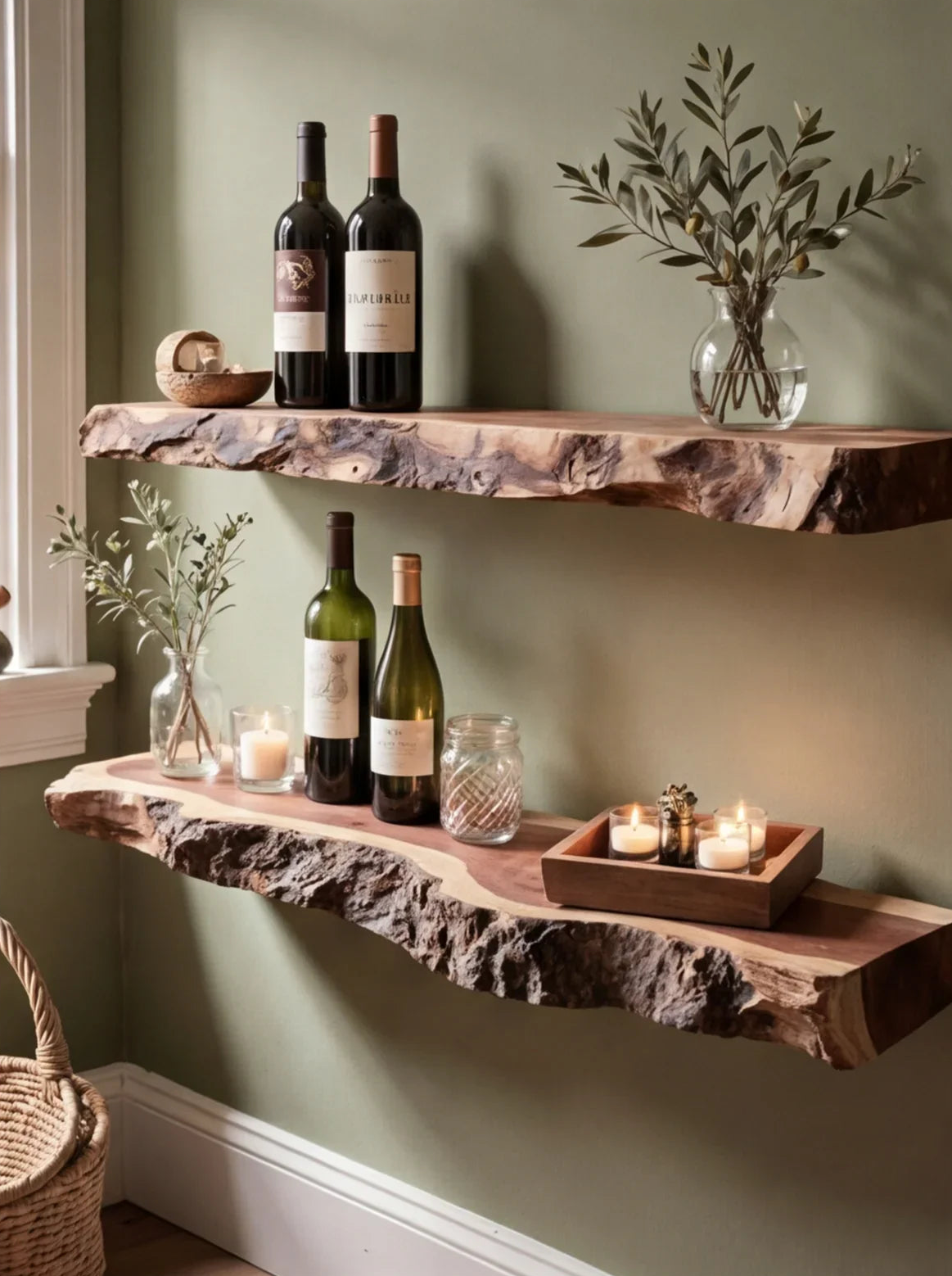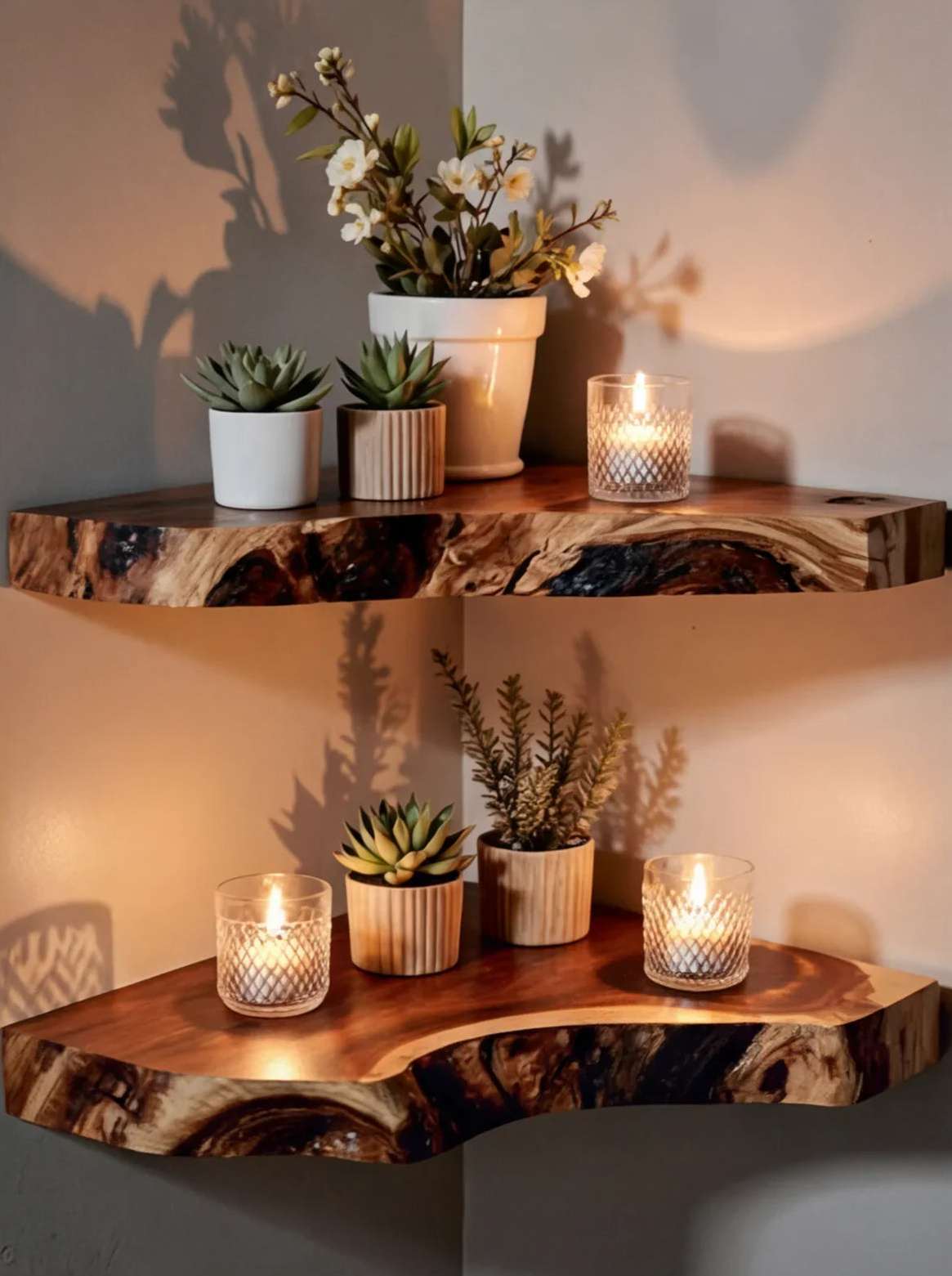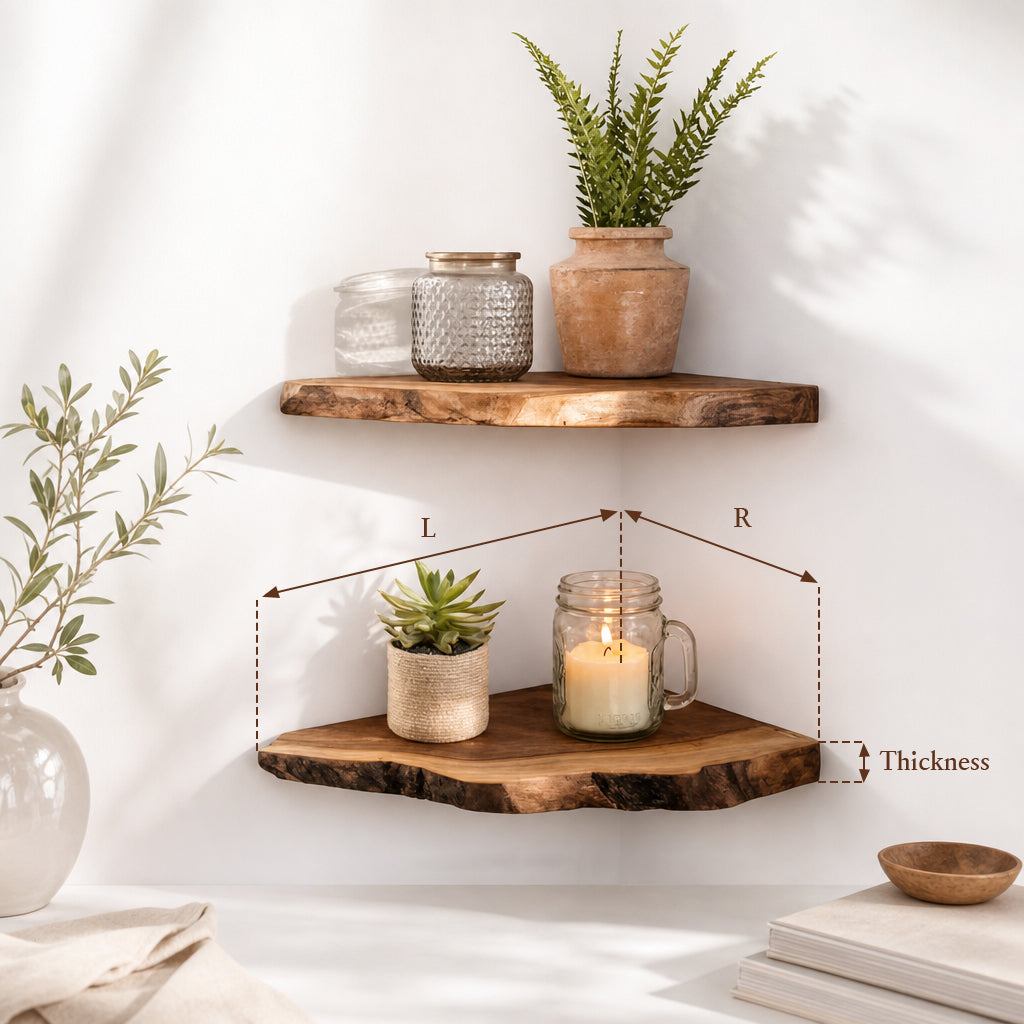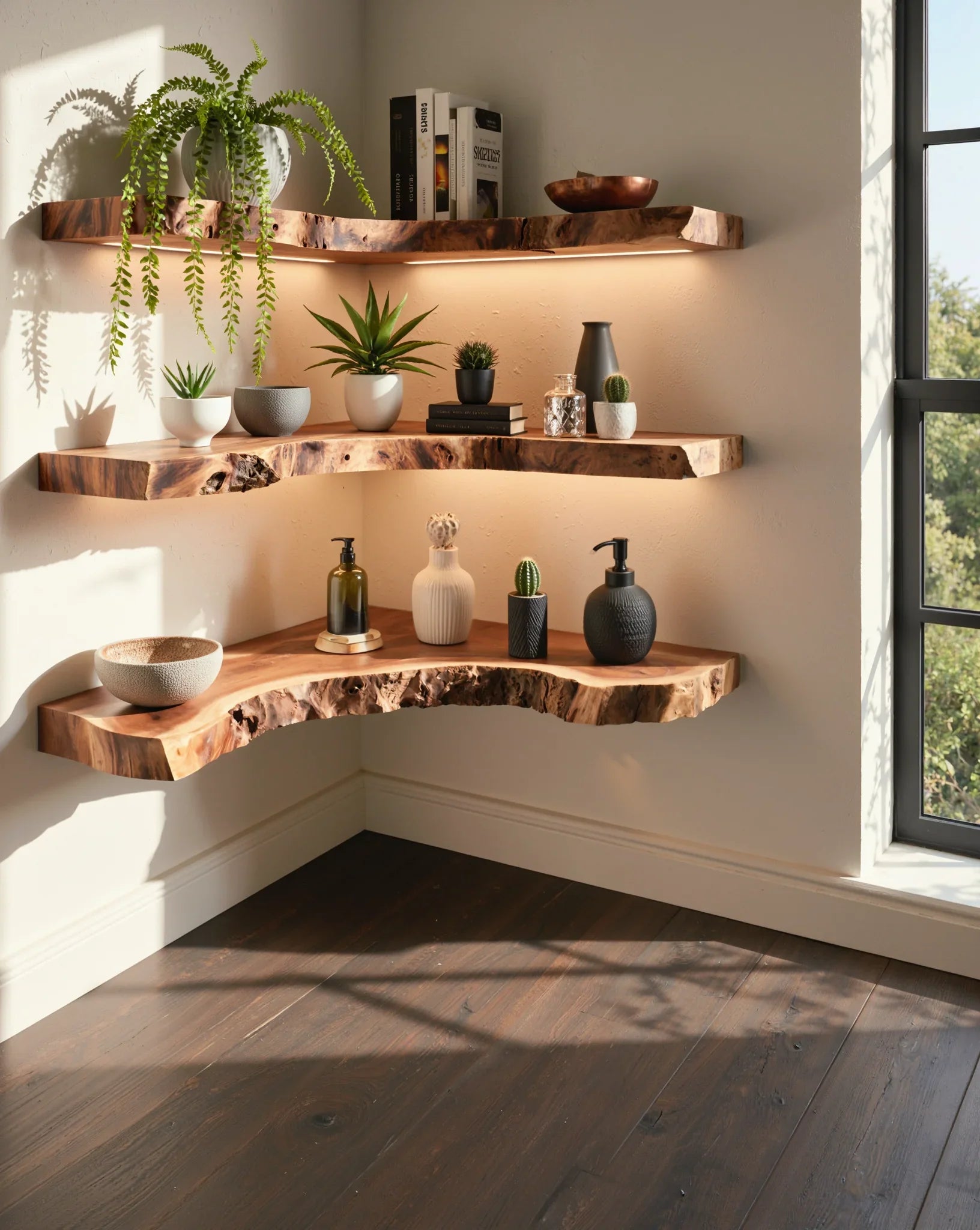
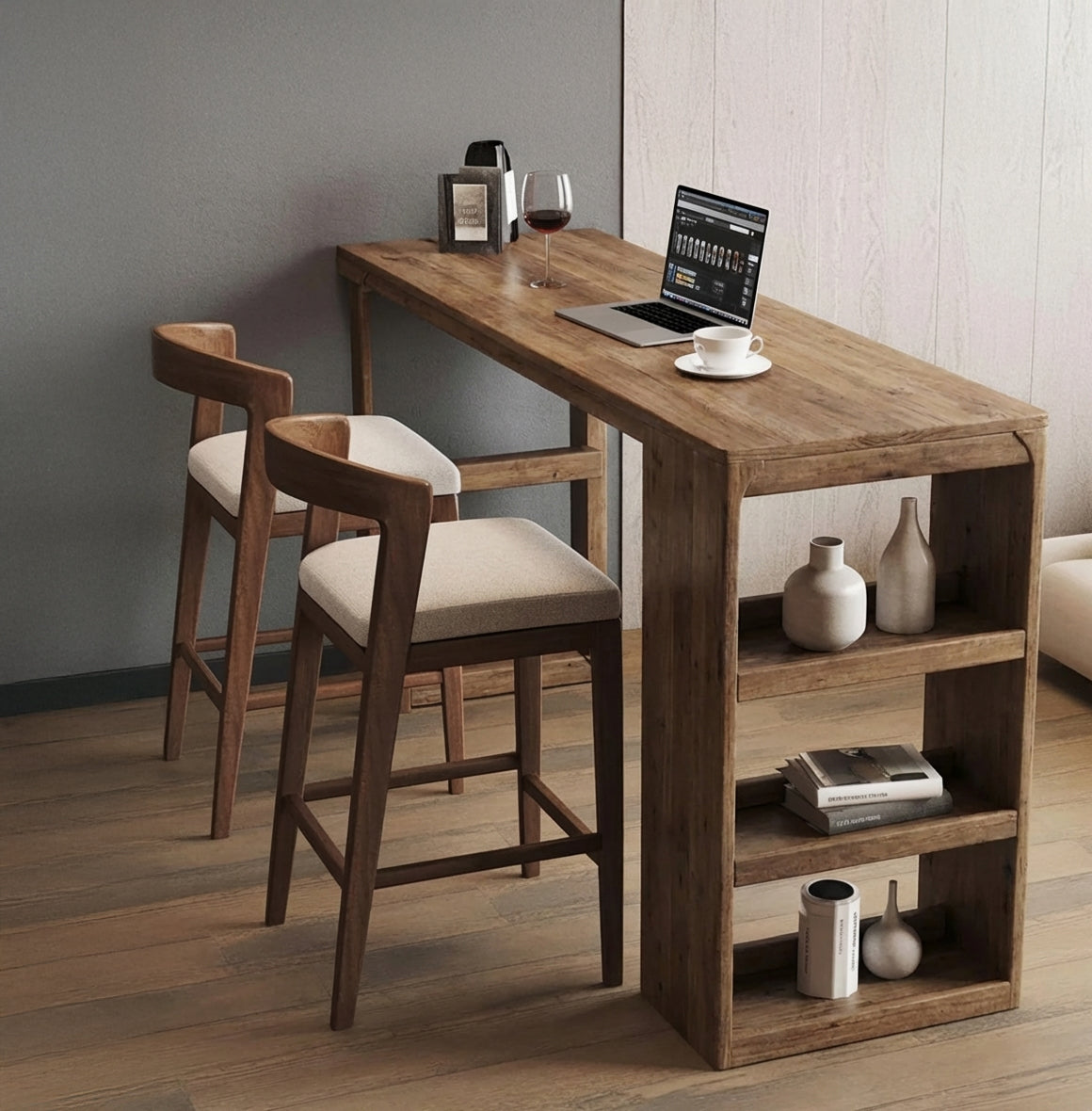
A bar table turns a kitchen corner, basement, home bar, or open-plan living space into a casual gathering spot at standing height. But "bar table" covers several different designs: a freestanding bar-height table, a wall-mounted floating counter, a home bar table with storage, and even a kitchen island designed around bar-height seating.
The right choice depends less on the name and more on how you plan to use the table, how much floor space you have, whether you need storage, and what stools you already own. This guide covers the main types of bar tables, height basics, where they work, and what to check before buying.
What Is a Bar Table?
A bar table is a table designed for bar-height seating or standing use rather than standard dining chairs. Its taller profile makes it suitable for casual drinks, quick meals, entertaining, or creating a dedicated bar area in a home.
Unlike a dining table, which is designed around a lower seated position, a bar table is typically paired with taller bar stools. Some designs are narrow and console-like, while others are wide enough to function as a kitchen island, breakfast bar, or substantial entertaining table.
Bar tables can work in a dedicated home bar, kitchen, basement, game room, apartment, or open-plan living space. The best design depends on whether your priority is seating, storage, floor space, or flexibility.

Types of Bar Tables
Freestanding Bar Table
A freestanding bar table is the most flexible option because it does not require wall installation. It can sit against a wall, stand behind a sofa, divide a kitchen from a living area, or anchor a dedicated entertaining space.
This type works particularly well when you want the freedom to move or rearrange the furniture later. A narrow console-style design can also provide a bar-height surface without taking up the depth of a full kitchen island.
Good for: home bars, open-plan rooms, entertaining areas, breakfast bars, and renters who cannot make permanent wall changes.
Examples include the Handcrafted Live Edge Solid Wood Bar Table - Rustic Console & Breakfast Bar, Handcrafted Rustic Solid Wood Bar Table with Live Edge, and Rustic Solid Wood Bar Table - Handcrafted Live Edge Console & Breakfast Bar.

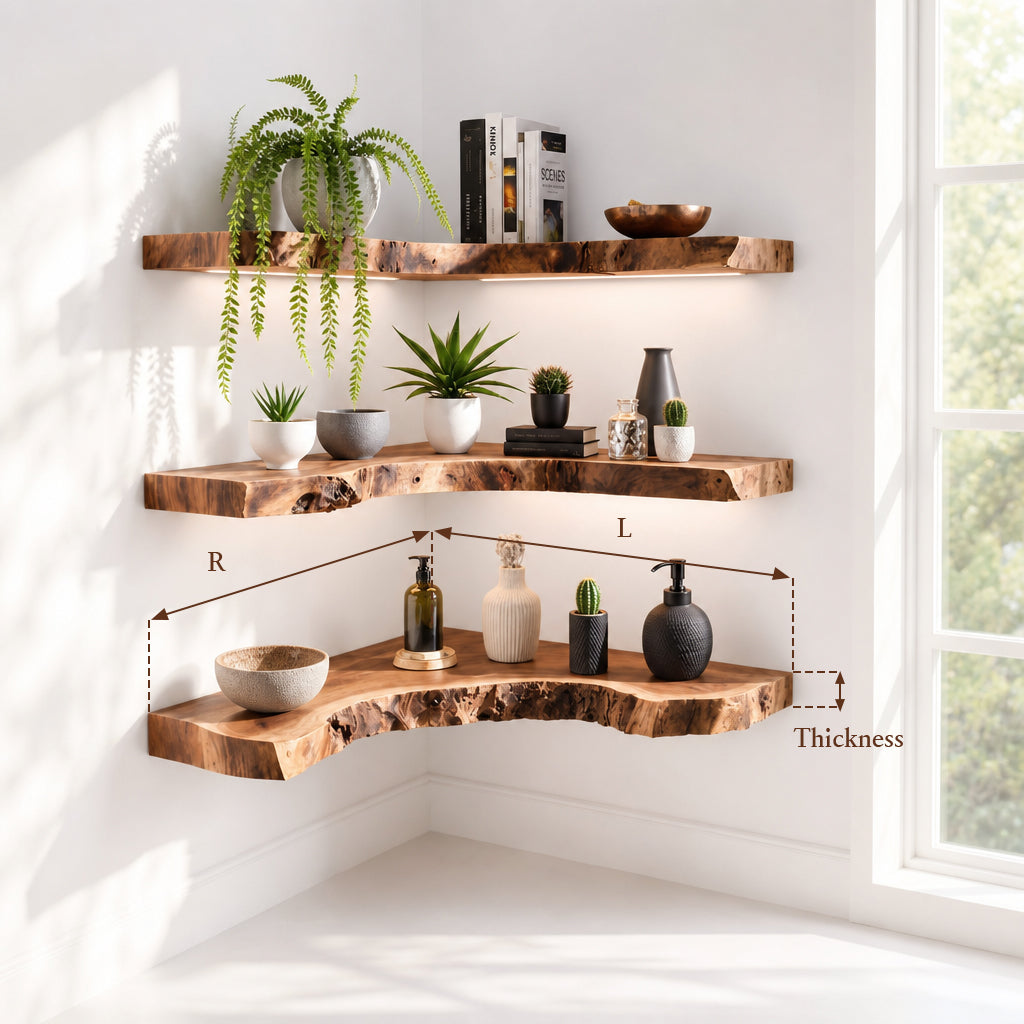
Floating or Wall-Mounted Bar Table
A floating bar table attaches directly to the wall instead of standing on floor legs. Its main advantage is floor clearance: the area underneath remains open for walking, storage, or seating.
This can be useful in a narrow kitchen, compact apartment, or small breakfast area where a freestanding table would take up too much floor space. The tradeoff is that installation matters more because the wall and mounting hardware need to support the table and its intended load.
Good for: small kitchens, apartments, narrow rooms, and spaces where preserving floor area is the priority.
Examples include the Live Edge Solid Wood Floating Bar Table - Handmade Wall Shelf Table, Live Edge Wall Mounted Bar Table - Rustic Floating Counter for Modern Homes, and Live Edge Wall-Mounted Bar Table - Handcrafted Solid Wood Floating Bar Counter.

Home Bar Table With Storage
A home bar table with integrated storage combines the work surface with shelves for bottles, glassware, bar tools, or other entertaining essentials. It can be more practical than buying a separate table and storage cabinet when the room has enough floor space for both functions in one piece.
Good for: dedicated home bars, entertaining rooms, dining areas, and anyone who wants bottles or glassware close to the serving surface.
Examples include the Natural Wood Multi-Functional Bar Table with Bottle Display Shelf, Rustic Live Edge Solid Wood Home Bar Table & Kitchen Island with Storage Shelves, and Sculptural Curved Solid Wood Home Bar Table & Kitchen Island with Wine Storage Shelves.

Bar Table Used as a Kitchen Island
Some bar-height tables are designed to work as kitchen islands, combining a tall work surface with space for stools. This can create a casual breakfast or dining area without adding a separate table to an open-plan kitchen.
Before choosing this type, check more than the height. Kitchen islands need enough clearance around them for people to walk, open cabinets and appliances, and use the surrounding workspace comfortably.
Good for: open-plan kitchens, breakfast areas, casual dining, and homes where one piece needs to provide both work and seating space.
A good example is the Organic Live Edge Solid Wood Kitchen Island & Breakfast Bar - Japandi Modern Bar Table.

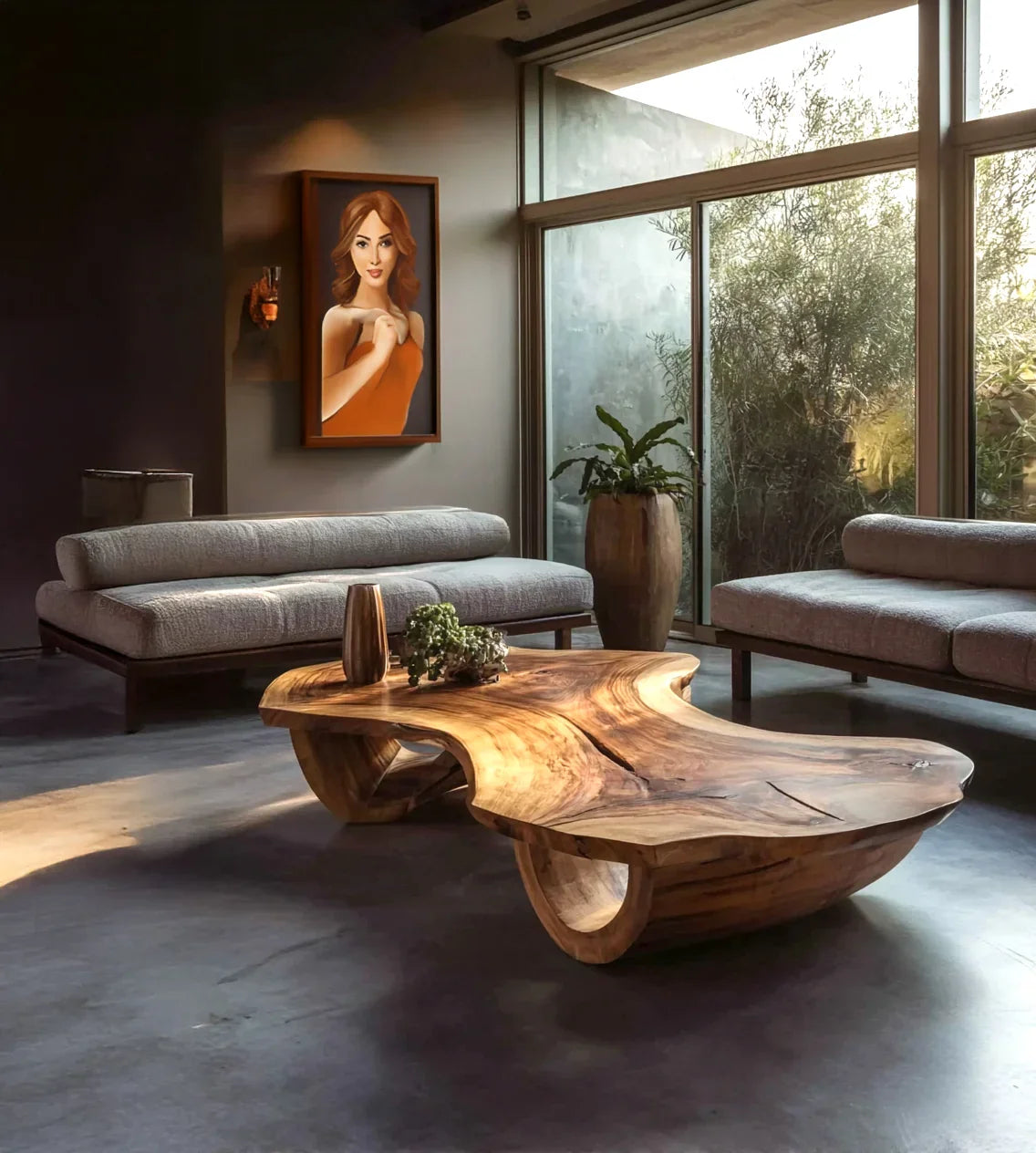
Sculptural Dining and Bar Hybrid
Some larger tables sit between the visual language of a dining table and a bar table. They can provide a taller gathering surface while using a broader tabletop and more substantial base than a narrow bar console.
This type makes sense when the table needs to be a major piece of furniture rather than simply a place to set drinks. Check the exact dimensions and intended seating position carefully because "dining/bar hybrid" is a design description rather than a standardized height category.
Good for: large open rooms, entertaining spaces, and buyers looking for a statement table rather than a compact bar surface.
A good fit is the Handcrafted Solid Wood Sculptural Dining/Bar Table - Fluid Organic Design.

Bar Table Height and Stool Pairing
Height is one of the most important things to check before buying a bar table because the wrong stool height can make an otherwise beautiful table uncomfortable to use.
Bar-height tables are taller than standard dining tables and are generally paired with bar stools, not ordinary dining chairs. Counter-height tables sit lower, so a counter stool and a bar stool are not automatically interchangeable.
- Measure the table height: use the actual product dimensions rather than relying only on the product name.
- Measure your stool seat height: if you already own stools, check the seat-to-floor measurement before choosing the table.
- Leave comfortable leg clearance: the tabletop should not sit so close to the seat that knees or legs feel cramped.
- Consider the footrest: a well-positioned footrest can make a taller stool significantly more comfortable for longer periods.
If you are buying the table and stools together, choose them as a pair rather than assuming any bar stool will fit any bar table.

Where Does a Bar Table Work Best?
Home Bar or Entertaining Corner
This is the most obvious use. A bar table creates a dedicated surface for drinks and conversation without requiring a full dining setup. A design with integrated storage can also keep bottles, glassware, and bar accessories within reach.
Kitchen or Breakfast Area
A bar table can provide a casual place for breakfast, coffee, or a quick meal. In an open kitchen, it can also create a visual transition between the cooking and living areas.
Basement or Game Room
A bar-height table fits naturally into a basement or game room where the furniture is intended for casual socializing rather than formal dining. A storage-equipped design can also support entertaining without requiring another cabinet.
Small Kitchen or Apartment
When floor space is the main limitation, a floating bar table can preserve the walking area underneath. A compact freestanding table can work too, provided you leave enough clearance for normal movement through the room.
Open-Plan Living Space
A freestanding bar table can act as a subtle room divider between a kitchen and living area. Unlike a permanent partition, the furniture still provides usable surface space and can be moved if the layout changes.
Find a bar table for your space
Choose from freestanding live-edge tables, floating bar counters, storage-equipped designs, and kitchen-island styles.
Shop Bar Tables →Bar Table Materials: What to Consider
Material affects more than appearance. A bar table is a frequently touched surface, so consider how the material looks under everyday use, how it will be maintained, and whether its construction fits the role you want the table to play.
Solid wood gives a bar table natural grain, substantial construction, and the visual character of a genuine wood surface. For a live-edge table, the natural edge and grain become part of the design rather than something hidden behind a uniform manufactured surface.
Live-edge wood is particularly useful when the table itself is meant to be a focal point. Because the natural edge varies from slab to slab, no two pieces have exactly the same outline.
If the table will be used for drinks or food, also pay attention to the finish and care instructions. Use coasters or appropriate protective measures when recommended by the manufacturer, and clean spills according to the product's care guidance.
Common Bar Table Buying Mistakes
Buying the table before checking stool height
The table and stool need to work together. If you already own stools, measure their seat height first. If you are buying both, compare the actual dimensions of the two products rather than shopping by the words "bar height" alone.
Choosing a freestanding table when floor space is the real constraint
A freestanding table needs floor space for its legs and for people to move around it. If your kitchen or apartment is already tight, a floating design may solve the problem more effectively.
Choosing a floating table without considering the wall
A wall-mounted bar table saves floor space, but installation becomes part of the project. Confirm that the wall structure and mounting method are appropriate for the table and the load you expect it to carry.
Ignoring storage requirements
If the table is intended to become the center of a home bar, consider where bottles, glassware, and accessories will live. Integrated shelving can be useful when there is no room for a separate bar cabinet.
Assuming bar height and counter height mean the same thing
They do not. The categories are related but have different typical dimensions. Always check the actual table height and stool seat height before buying.
Forgetting the clearance around the table
A table can fit physically and still make the room uncomfortable. Measure the surrounding walkway, nearby cabinets, appliance doors, and seating area before ordering.
Ashdeco Bar Tables
Ashdeco's bar table range includes freestanding live-edge designs, floating wall-mounted tables, storage-equipped home bar tables, and kitchen-island styles. The collection is built around solid wood and natural-edge construction, with each design serving a different space and use case.
- Handcrafted Live Edge Solid Wood Bar Table - Rustic Console & Breakfast Bar
- Live Edge Wall-Mounted Bar Table - Handcrafted Solid Wood Floating Bar Counter
- Natural Wood Multi-Functional Bar Table with Bottle Display Shelf
- Organic Live Edge Solid Wood Kitchen Island & Breakfast Bar
- Sculptural Curved Solid Wood Home Bar Table & Kitchen Island with Wine Storage Shelves
Browse the full bar table collection, or compare the seating options in bar stools. For dedicated bottle and glassware storage, see bar cabinets.
FAQ
What is a bar table used for?
A bar table provides a taller surface for drinks, casual meals, entertaining, or conversation. Depending on the design, it can work in a home bar, kitchen, basement, game room, apartment, or open-plan living space.
What is the difference between a bar table and a counter-height table?
Bar-height tables are taller than counter-height tables and are normally paired with taller bar stools. Because the exact dimensions vary by product, check the table height and stool seat height instead of relying only on the category name.
Do I need special stools for a bar table?
Usually, yes. Bar tables are intended for taller bar stools rather than standard dining chairs. If you already own stools, measure the seat height and compare it with the table's dimensions before buying.
Can a bar table work in a small kitchen?
Yes. A compact freestanding table can work if there is enough clearance around it, while a floating bar table can preserve more floor space because it does not use floor-standing legs.
Can a bar table be used as a kitchen island?
Some can. Tables specifically designed as kitchen islands or breakfast bars can combine a work surface with bar-height seating. Check the dimensions and surrounding clearance carefully, especially if the table will sit near cabinets or appliances.
Is a bar table suitable for a home bar?
Yes. A freestanding bar table can create the main serving surface, while a storage-equipped design can also provide space for bottles, glassware, and bar accessories. The right choice depends on how much storage and seating you need.
Is solid wood a good material for a bar table?
Solid wood is a practical choice when you want a substantial natural surface and visible wood grain. Live-edge solid wood can also make the table itself a visual focal point. The finish and care requirements should still be considered based on how the table will be used.
How much space should I leave around a bar table?
There is no single clearance number that works for every room because it depends on the table depth, stool size, nearby furniture, doors, and traffic path. Measure the complete footprint of the table and stools and make sure people can move comfortably around it before ordering.
A good bar table starts with the space and the way you actually plan to use it. Choose a freestanding table when flexibility matters, a floating design when floor space is tight, storage when the table is becoming a home bar, or an island-style design when the kitchen needs both workspace and casual seating.