Quick view
Shop this guide
Handcrafted Tree Bookshelf, made to order in solid wood.
 Christmas edit
Corner Tree Floating Bookshelf – Driftwood Branch Wall Mounted Hanging Shelf, Artistic Corner Furniture Decoration
From $901.00
Christmas edit
Corner Tree Floating Bookshelf – Driftwood Branch Wall Mounted Hanging Shelf, Artistic Corner Furniture Decoration
From $901.00
 Christmas edit
Handcrafted Solid Wood Nursery Decor & Kids' Library
$2,834.0010% off at checkout
Christmas edit
Handcrafted Solid Wood Nursery Decor & Kids' Library
$2,834.0010% off at checkout
 Christmas edit
Handcrafted Wooden Tree Wall Shelf – Rustic Branch Bookshelf
From $1,087.00
Christmas edit
Handcrafted Wooden Tree Wall Shelf – Rustic Branch Bookshelf
From $1,087.00
 Christmas edit
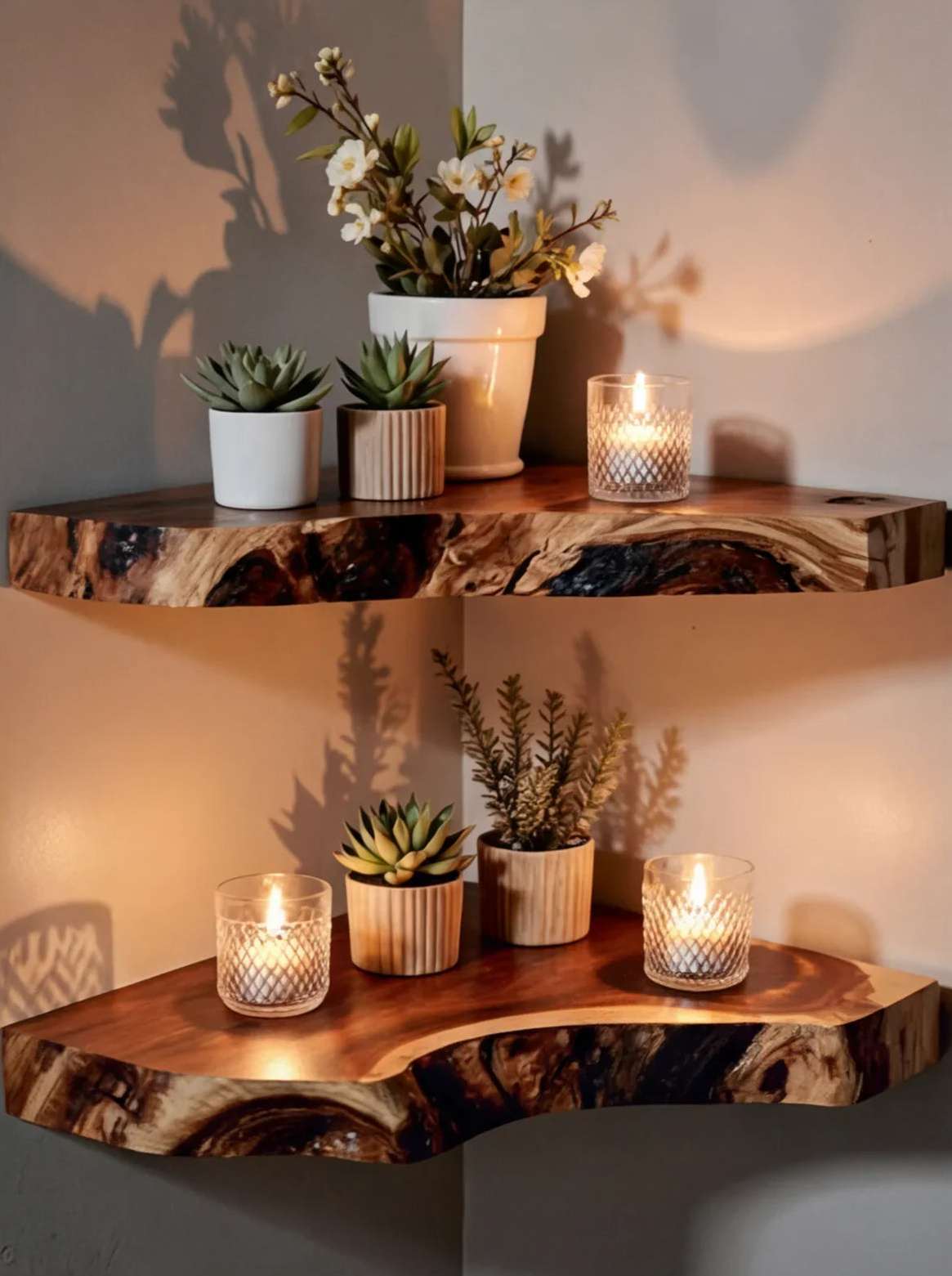
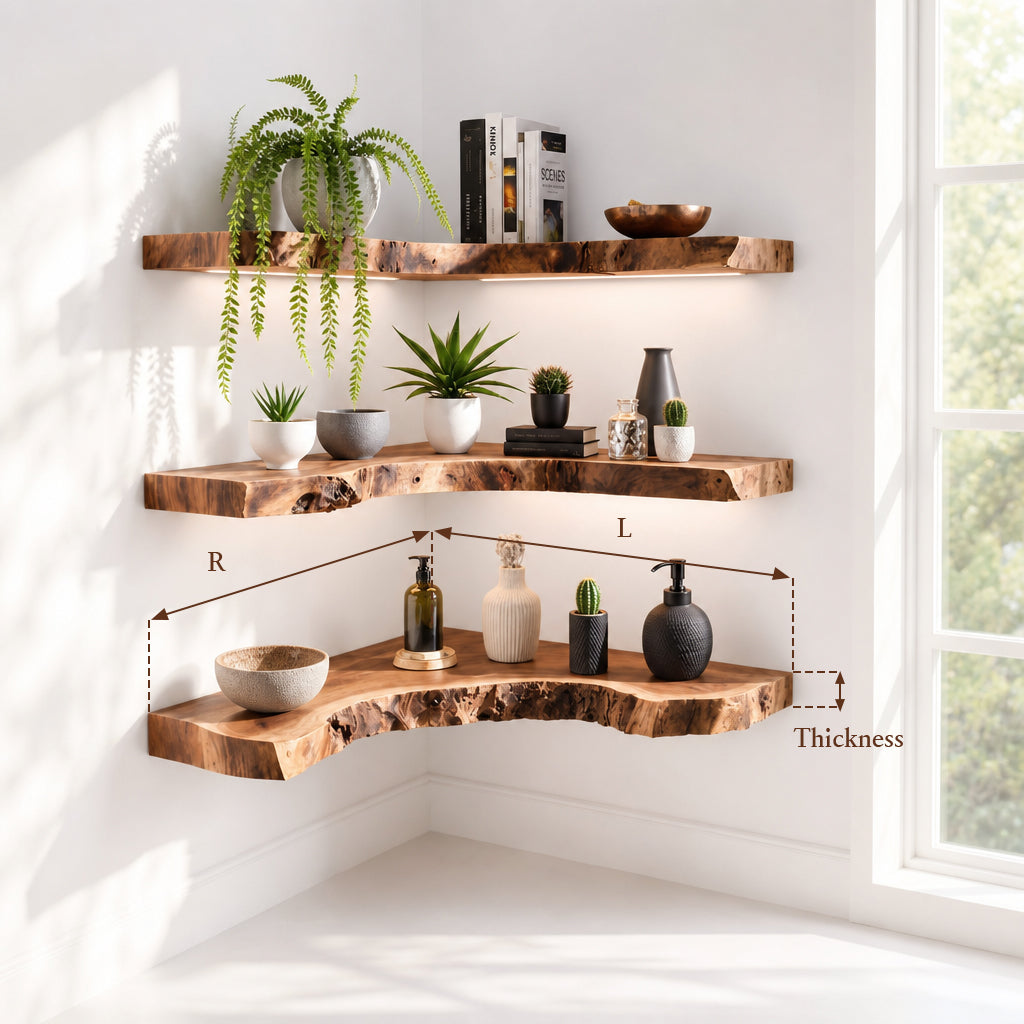
Solid Wood Floating Corner Shelf – Driftwood Branch Wall Shelf
From $789.00
Christmas edit
Solid Wood Floating Corner Shelf – Driftwood Branch Wall Shelf
From $789.00
 Christmas edit
Tree Bookshelf – Rustic Wooden Book Tree Shelf, Wall-Mounted Natural Wood Décor
$2,099.0010% off at checkout
Christmas edit
Tree Bookshelf – Rustic Wooden Book Tree Shelf, Wall-Mounted Natural Wood Décor
$2,099.0010% off at checkout
 Christmas edit
Floating Bookshelf – Tree Branch Wall-Mounted Bookcase for Rustic Home Decor
From $1,000.00
Christmas edit
Floating Bookshelf – Tree Branch Wall-Mounted Bookcase for Rustic Home Decor
From $1,000.00
Corner bookshelves and traditional bookcases solve different problems. One reclaims awkward space. The other creates serious storage on a full wall.
People often use the terms interchangeably, but they are not the same thing. A bookcase is usually a freestanding rectangular furniture piece with multiple shelves. A corner bookshelf is designed around a 90 degree corner, often with a triangular, L-shaped, or sculptural footprint.
This guide explains the corner bookshelf vs bookcase decision by structure, footprint, capacity, room fit, and style. If you are choosing furniture for a small apartment, reading nook, living room, office, or home library, the form factor matters as much as the finish.
Definition Differences
The easiest way to understand the bookshelf vs bookcase question is to start with shape.
What Is a Bookcase?
A bookcase is usually a standalone freestanding unit. Most traditional bookcases are rectangular, vertical, and built with stacked shelves. Many include a back panel. Some have cabinet doors at the bottom. Others are open from top to bottom.
A bookcase is designed to sit against a straight wall. It uses width and height to store a large number of books. Because of its full rectangular form, it can become a wall anchor in a living room, home office, hallway, or library.
What Is a Corner Bookshelf?
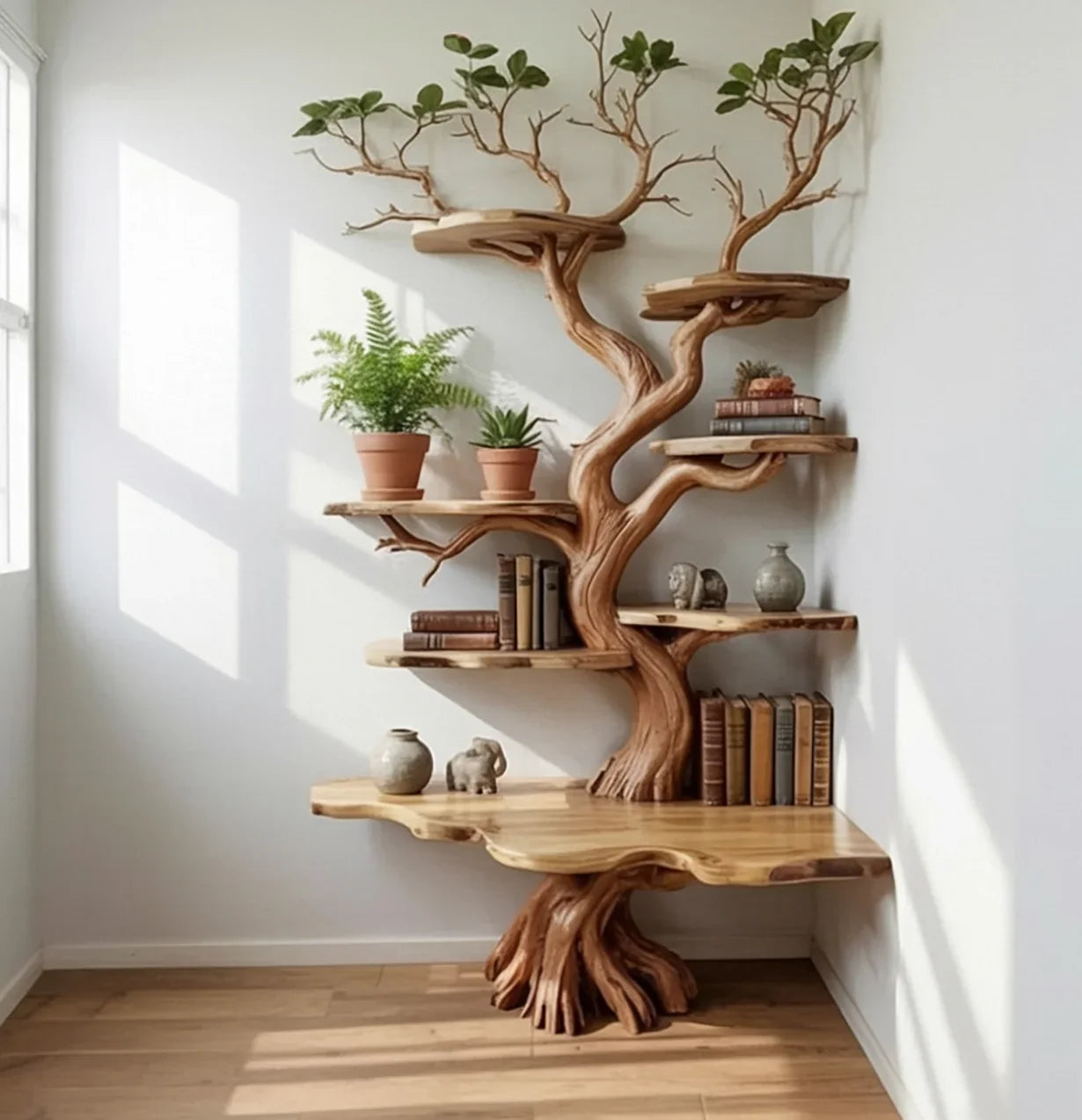
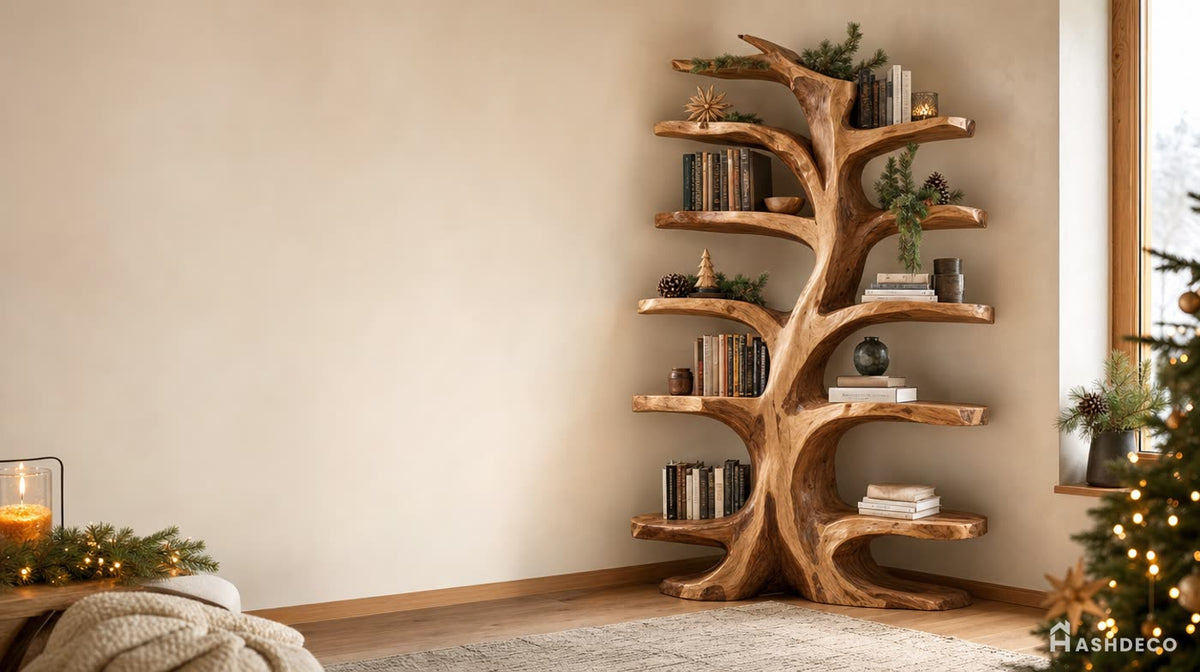
Handmade Tree Bookshelf – Rustic Wooden Bookcase for Home Decor & Gifts
A corner bookshelf is designed for a corner first. It may be triangular, L-shaped, curved, tree-shaped, ladder-style, wall-mounted, or freestanding. Some designs have backs. Many stay open so they feel lighter in a small room.
The point is not maximum storage. The point is using a part of the room that often gets wasted. A modern corner bookshelf can turn dead space into a display zone, reading nook, or small book station.
The key distinction is simple: all corner bookshelves are bookshelves, but not all bookshelves are bookcases.
Form Factor Comparison
The corner bookshelf vs bookcase choice becomes clearer when you compare footprint and capacity side by side.
| Factor | Corner Bookshelf | Bookcase |
|---|---|---|
| Shape | Triangular, L-shaped, curved, ladder, or sculptural | Rectangular and wall-facing |
| Footprint | Often 1 to 3 sq ft | Often 4 to 12 sq ft |
| Typical height | 36 to 72 inches | 60 to 96 inches |
| Typical width | 12 to 30 inches per side | 24 to 48 inches or more |
| Wall mounting | Common | Less common for full bookcases |
| Backing | Often open or partial | Usually backed or framed |
| Capacity | Good for curated storage, often 50 to 150 books | Better for large collections, often 200+ books |
| Visual weight | Lighter and more space-saving | Heavier and more architectural |
A corner bookcase style can look substantial, but it still behaves differently from a full bookcase. It wraps or occupies a corner. A bookcase claims a wall.


When to Choose a Corner Bookshelf
Choose a corner bookshelf when the room needs smarter use of space more than maximum book capacity.
Small Apartments
In small apartments, corners often become dead zones. A sofa, bed, or desk may block the best straight wall. A corner shelf lets you reclaim that unused area without pushing more furniture into the walking path.
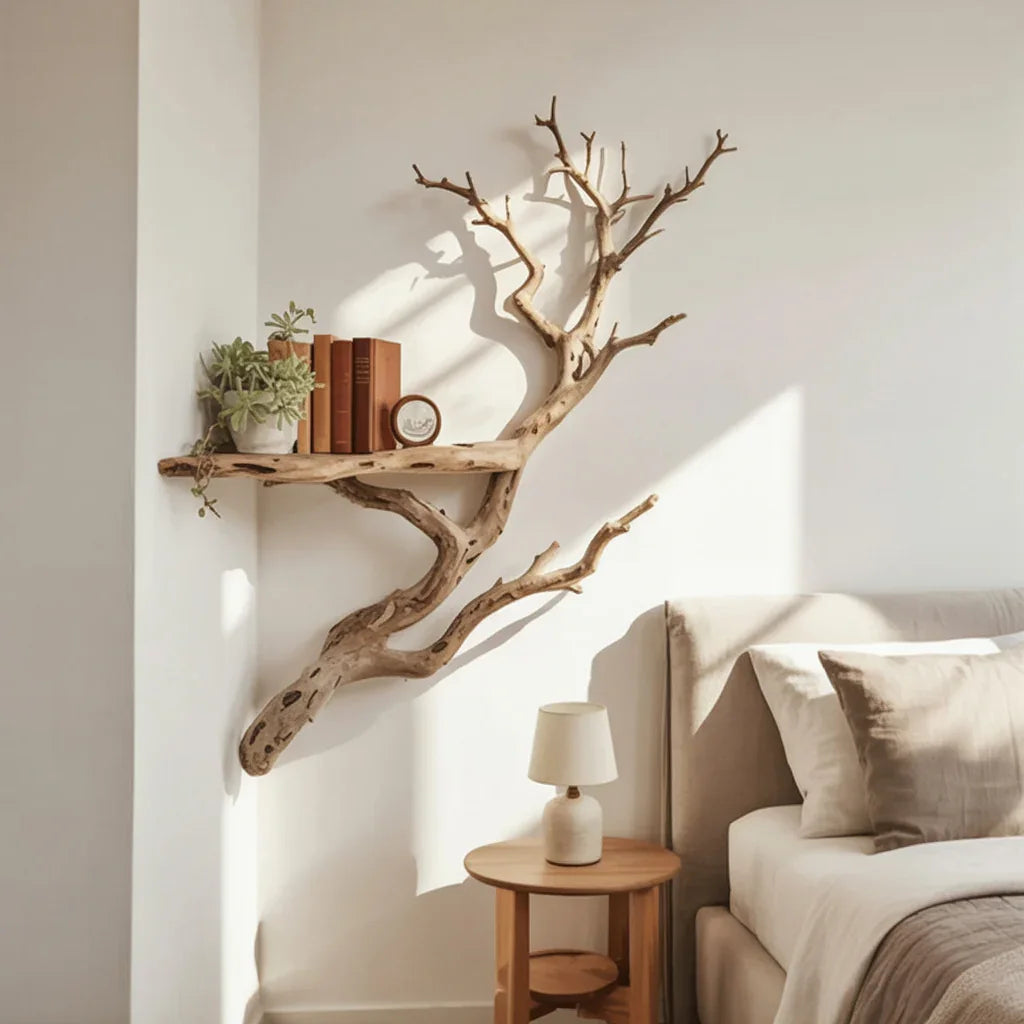
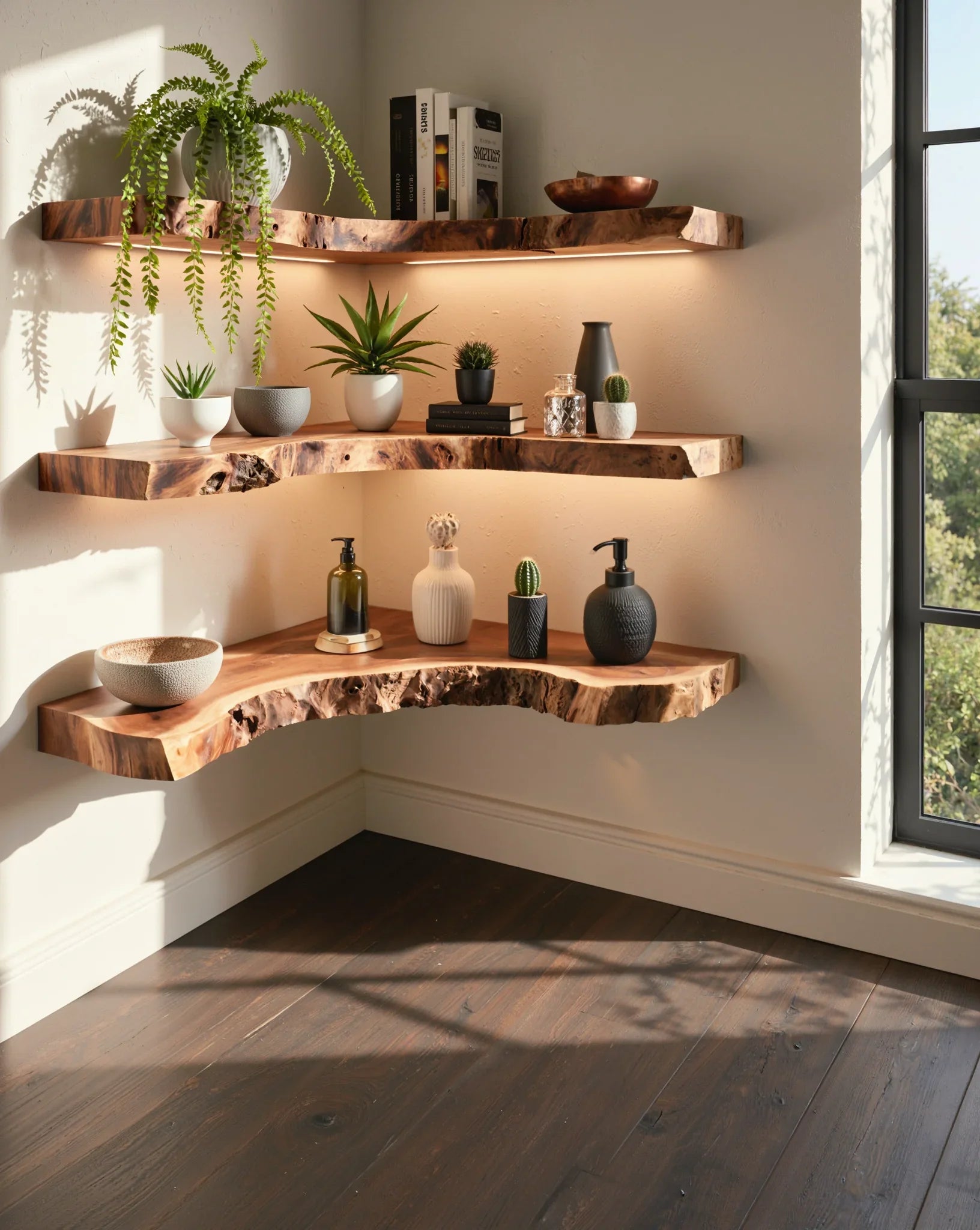
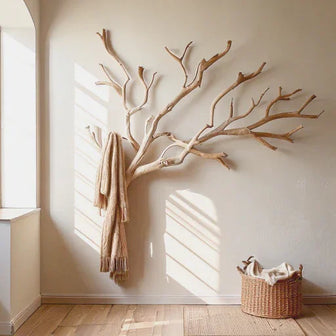
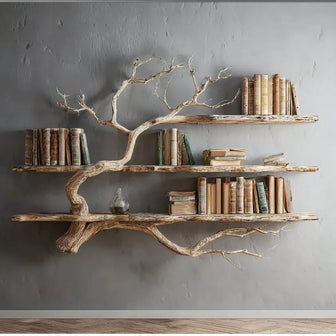
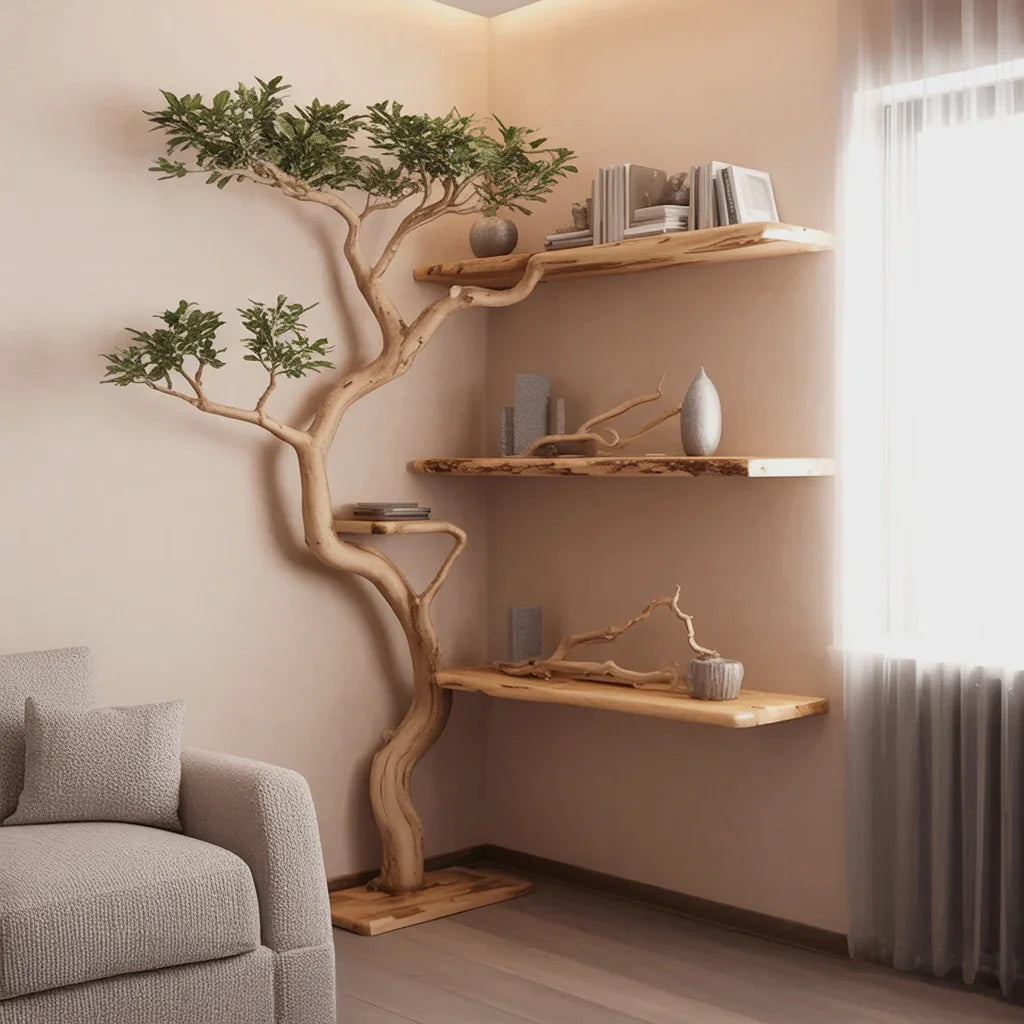
Driftwood Book Shelf On Wall Art Custom Tree Branch Corner Floating Shelves Decor
For compact rooms, corner tree bookshelves work especially well because the vertical form adds storage without a heavy rectangular footprint.
Awkward Room Layouts
Some rooms refuse to cooperate. Windows, fireplaces, doors, radiators, sloped ceilings, and wall vents can make a standard bookcase difficult to place. A corner bookshelf can fit where a traditional bookcase cannot.
This is also useful in alcoves, diagonal walls, and open-plan layouts where a full wall unit would feel too dominant.
Visual Interest in Modern Spaces
A corner bookshelf design can look more intentional than a standard rectangular unit. It breaks the grid of the room. It draws the eye upward. It gives books and decor a place without making the room feel packed.
That is why corner pieces often work well in modern, organic modern, and minimalist interiors. They add shape without adding bulk.
Reading Nooks
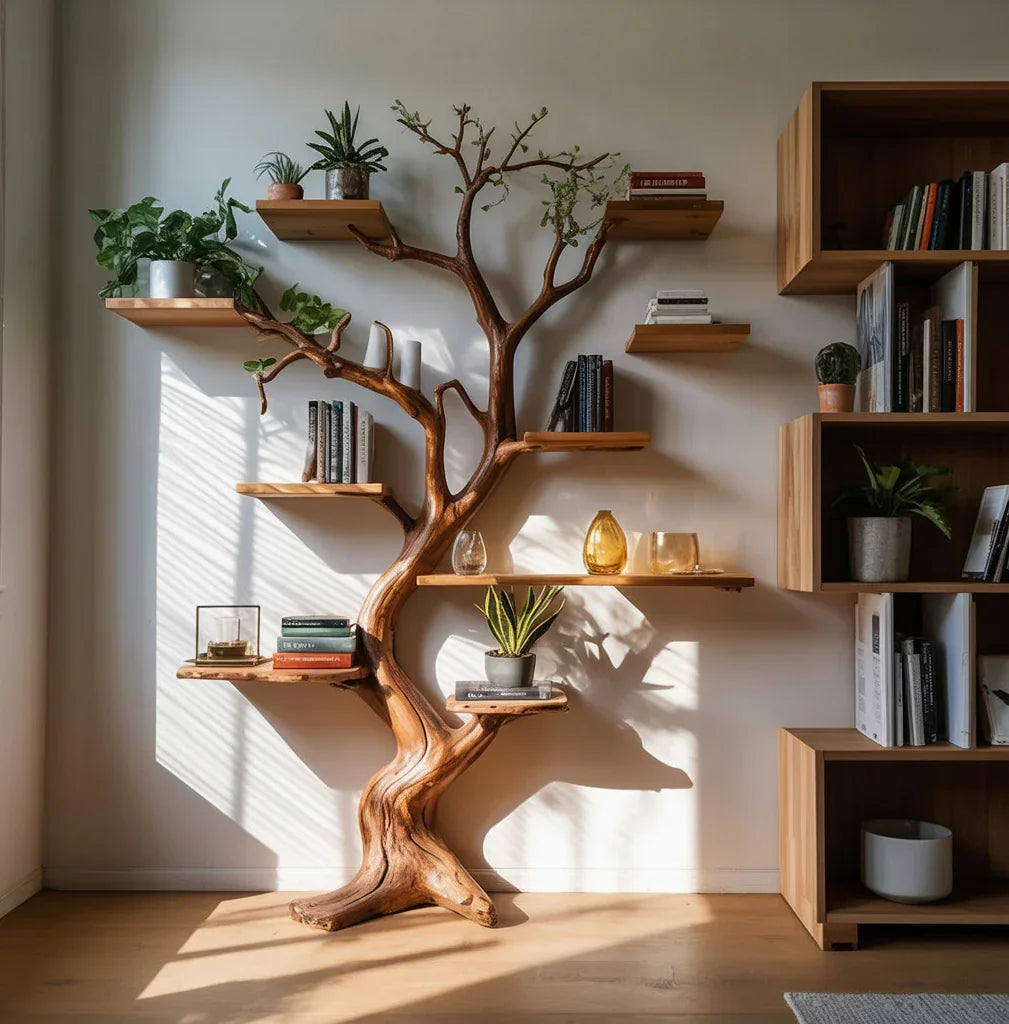
Decorative Tree Trunk Bookshelf - Large Wall-Mounted Wooden Sculpture - Rustic Display Shelf
A reading nook does not need a full wall of books. It needs the right books close by. Pair a chair, lamp, small rug, and reading nook bookshelves to create a compact place to read without building a library.
Limited Storage Needs
If you keep a curated collection of favorites, a corner bookshelf may be enough. It can hold current reads, decorative objects, plants, photo frames, and a few baskets. It is not the right choice for hundreds of books, but it is excellent for focused storage.
When to Choose a Bookcase
Choose a bookcase when storage capacity, structure, and visual presence matter more than saving corner space.
Serious Book Collections
If you own hundreds of books, a traditional bookcase usually makes more sense. It offers more linear shelf space, better sorting, and easier organization by author, category, or reading priority.
A full bookshelves collection gives you more options for larger walls, wider rooms, and homes where books are part of the main decor.
Statement Living Rooms
A bookcase can anchor a room. It gives a wall weight and purpose. In a living room, a large bookcase can frame art, balance a sofa, or make the space feel more collected.
This is where a corner bookshelf may feel too small. If the room needs a focal point, a bookcase has more presence.
Home Offices
Home offices often need reference books, binders, storage boxes, and display items. A bookcase behind a desk can look professional on video calls and keep work materials visible.
A corner shelf can support a small office, but a full bookcase works better for daily work storage.
Display and Hidden Storage
Many bookcases combine open shelves with drawers or cabinet doors. That matters if you want to show books and hide clutter at the same time.
Corner shelves are usually more open. They are better for display. Bookcases are better when you need both display and concealed storage.
Built-In Look Without Renovation
A tall bookcase pushed against a wall can mimic a built-in, especially if the finish matches the wall, trim, or other furniture. You get a more architectural look without custom carpentry.
Don't miss
These pieces qualify for 10% off orders over $2,000. Applied automatically at checkout.
10% off
Handcrafted Solid Wood Nursery Decor & Kids' Library
$2,834.00
10% off at checkout
10% off
Tree Bookshelf – Rustic Wooden Book Tree Shelf, Wall-Mounted Natural Wood Décor
$2,099.00
10% off at checkout
 10% off
Authentic Hand-Carved Solid Wood Tree Bookshelf Daybed - Sculptural Lounge Library
From $4,087.00
10% off at checkout
10% off
Authentic Hand-Carved Solid Wood Tree Bookshelf Daybed - Sculptural Lounge Library
From $4,087.00
10% off at checkout
 10% off
Rustic Tree Shaped Wooden Bookshelf with Branch Design for Living Room or Home Library
$2,145.00
10% off at checkout
10% off
Rustic Tree Shaped Wooden Bookshelf with Branch Design for Living Room or Home Library
$2,145.00
10% off at checkout
Hybrid: Corner Tree Bookshelves
A corner tree bookshelf sits between a sculptural shelf and a traditional storage piece. It uses the corner-saving logic of a corner shelf, but gives the room a stronger identity than a plain triangular unit.
The branches act as shelves. The trunk gives the piece a visual center. The shape turns book storage into a design feature, which is why tree bookshelves have become popular in organic modern, woodland, nursery, and reading nook interiors.
Ashdeco's corner tree forms are carved and assembled by Vietnamese artisans from solid wood. They are not mass-produced flat panels with a tree print. The branches are shaped, sanded, and fitted so the shelf feels handcrafted and sculptural.
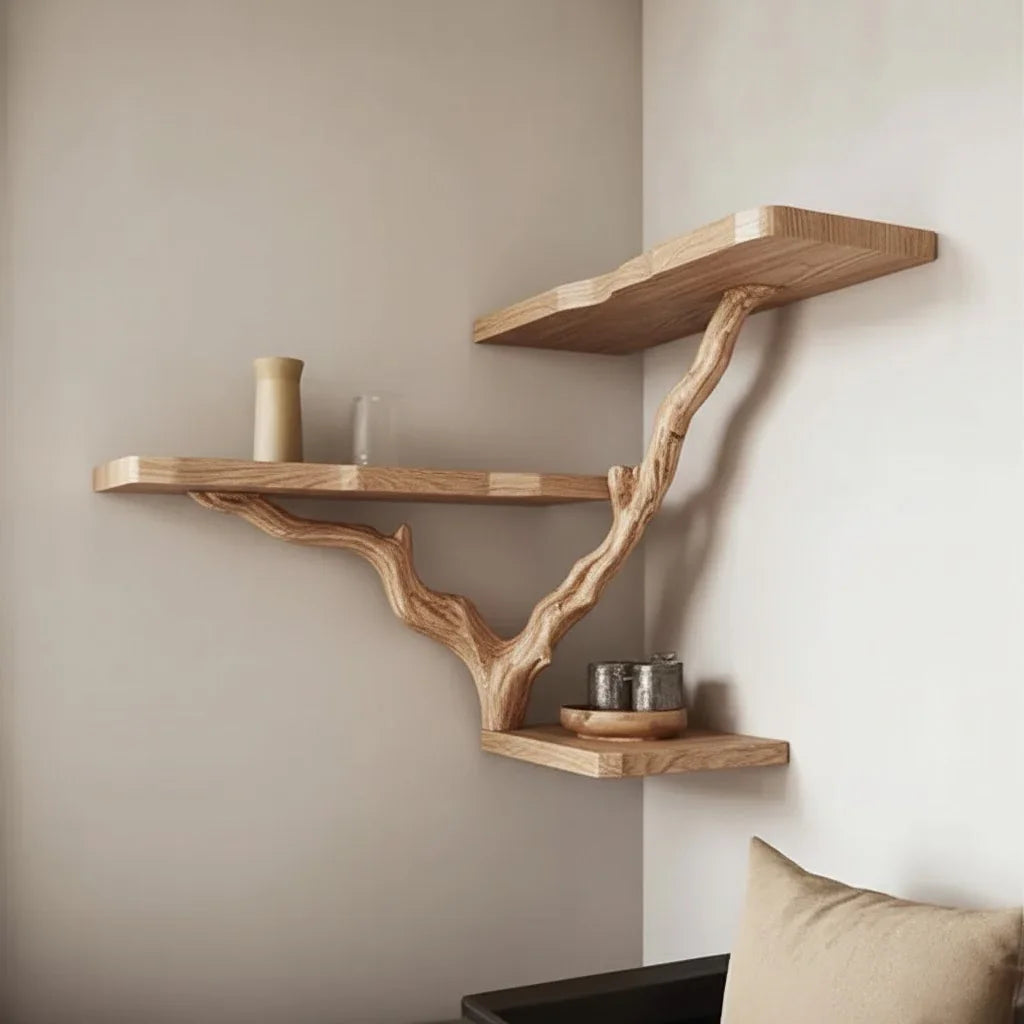
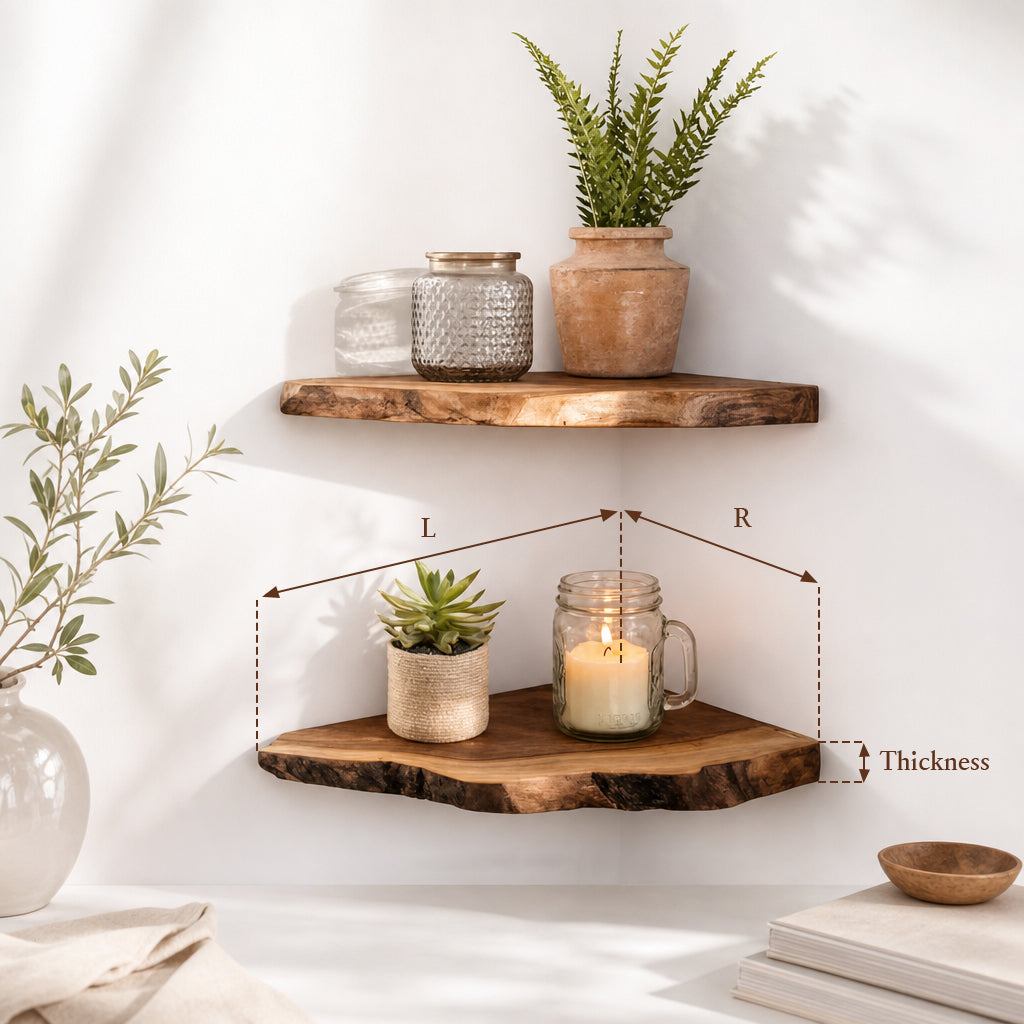
Ashdeco Tree Branch Floating Corner Shelf – Black Driftwood Wall Decor
For smaller rooms, corner tree bookshelves provide a useful balance: space-saving footprint, visible storage, and a conversation piece. For larger rooms, standing tree bookshelves give more height and presence.
Style Pairings
The right choice also depends on the room's design language. A corner bookshelf and a bookcase can both work, but they send different signals.
Modern and Contemporary
Modern rooms usually favor clean lines and negative space. A slim corner bookshelf can add storage without interrupting the room. A bookcase works if it is modular, ladder-style, or visually light.
Traditional
Traditional interiors often suit bookcases better. Solid wood, classical proportions, cabinet bases, and deeper shelves feel natural in formal living rooms, studies, and libraries.
A corner bookshelf can still work, but it should feel intentional rather than leftover. Choose richer wood, carved details, or a design with enough weight to match the room.
Mid-Century Modern
Mid-century rooms work well with walnut tones, tapered legs, and integrated storage. A bookcase with a cabinet base fits the style. A corner bookshelf can work if it has clean geometry and does not look too ornate.
Cottagecore and Rustic
Rustic rooms are a natural fit for live edge wood, branch forms, knotty grain, and handmade texture. A corner shelf can feel charming here, especially when paired with plants, woven baskets, and uneven ceramics.
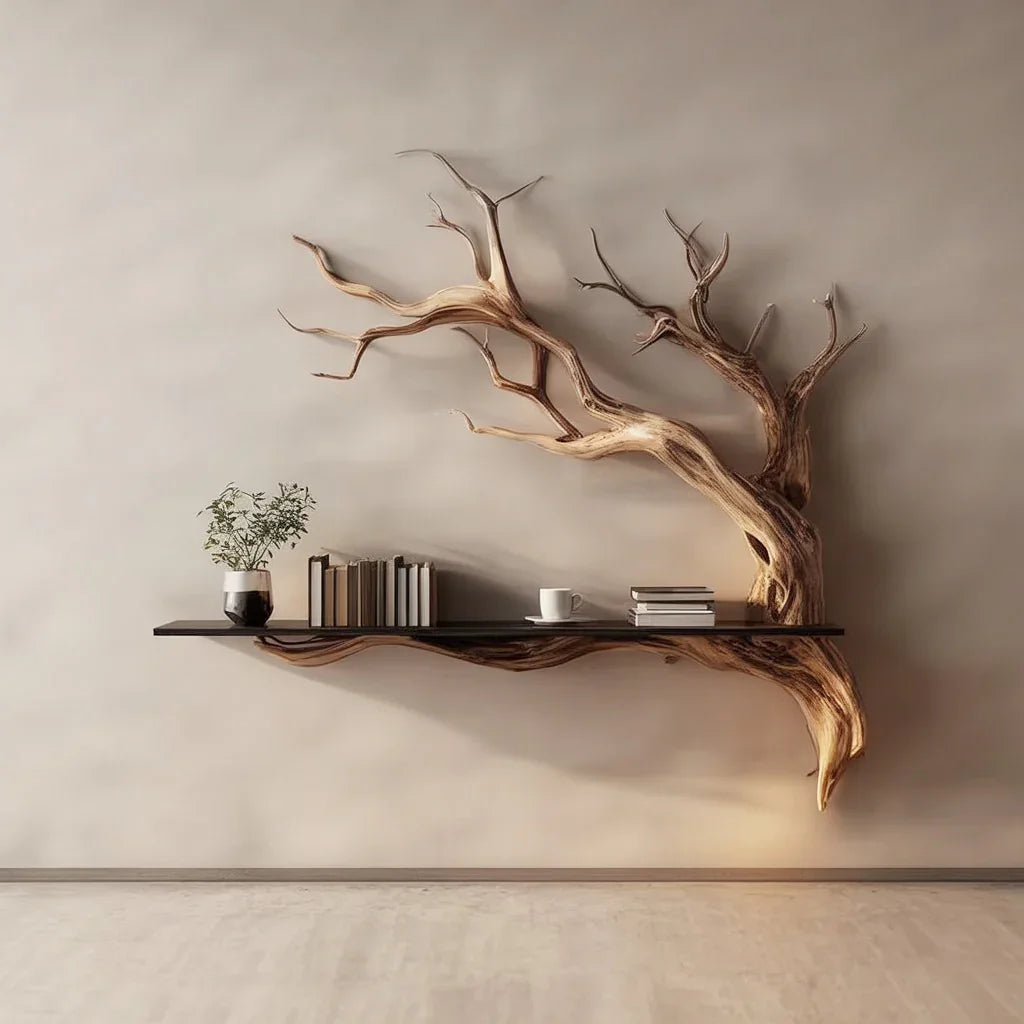
Handcrafted Wooden Tree Wall Shelf – Rustic Branch Bookshelf
For a wall-mounted version of the same organic feeling, wall tree bookshelves can add vertical storage without taking up floor space.
Cost Comparison
Cost varies by material, size, construction, finish, and whether the piece is mass-produced or handcrafted. Use these ranges as general planning numbers, not fixed rules.
- Corner bookshelf: often $200 to $1,500
- Mid-range bookcase: often $400 to $2,000
- Custom built-in: often $3,000 to $15,000 or more
Per linear foot of book storage, a standard bookcase usually offers the most capacity. A corner bookshelf may cost more per foot because it solves a harder space problem. A built-in costs the most because it includes labor, fit, finishing, and often custom carpentry.
If you are choosing for pure storage, a bookcase usually wins. If you are choosing for space efficiency and style, a corner bookshelf can be the smarter buy.
FAQ
Is a corner bookshelf a bookcase?
A corner bookshelf can be considered a type of bookshelf, but it is not always a bookcase. A bookcase is usually a rectangular freestanding unit with stacked shelves. A corner bookshelf is designed specifically for a corner and may be wall-mounted, triangular, L-shaped, or sculptural.
Which holds more books, a corner bookshelf or a bookcase?
A traditional bookcase usually holds more books. In many rooms, it can store three to five times more than a compact corner bookshelf. A corner bookshelf is better for curated collections, display items, and small-space storage.
Can a corner bookshelf replace a full bookcase?
Yes, if you have a small or curated collection. A corner bookshelf can work beautifully for favorites, current reads, decor, and a reading nook. It will not replace a full bookcase for a large home library or serious book collection.
Are corner bookshelves cheaper than bookcases?
Often, but not always. Simple corner bookshelves can cost less because they use less material. Handcrafted corner tree bookshelves, premium solid wood pieces, and custom corner units can cost more than basic bookcases because the shaping and construction are more specialized.
Final Thoughts
The corner bookshelf vs bookcase decision comes down to form factor. A corner bookshelf is best for small rooms, awkward layouts, reading nooks, and curated displays. A bookcase is best for serious storage, statement walls, offices, and larger collections.
If you want a space-saving piece with more character than a standard corner shelf, browse Ashdeco's corner tree bookshelves. If you need a larger wall solution, explore the broader bookshelves collection and choose the shape that matches how you actually live with books.